With more than 10‑year industry experience, Shandong Headpowder delivers full‑service pneumatic‑conveying systems and blowers, undertaking nationwide turn‑key powder‑handling projects.
Wheat flour pneumatic conveying systems represent a cornerstone of modern material handling in the food processing sector. These systems leverage the power of air to transport fine powders like wheat flour with remarkable efficiency and precision. Understanding the underlying principles and diverse application scenarios is essential for industries seeking to optimize their production workflows and maintain high standards of product quality. The technology has evolved significantly over the years, offering tailored solutions that address the unique challenges of handling delicate and sensitive materials such as wheat flour.
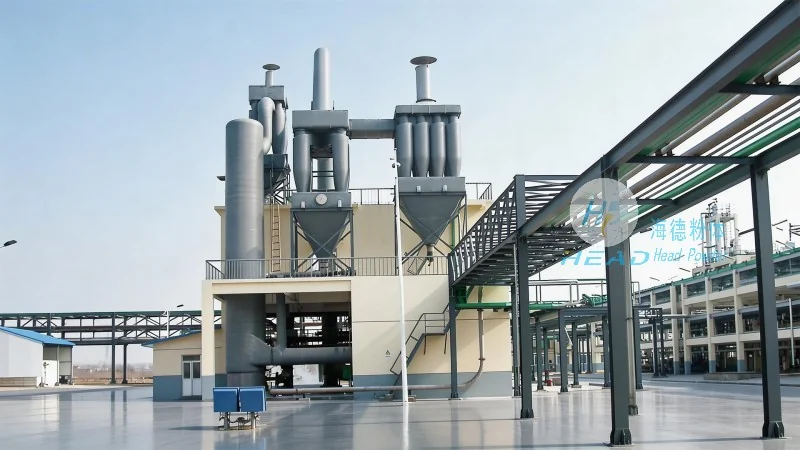
HeadPowder, formally known as Shandong HeadPowder Engineering Co., Ltd., is a prominent player in the design and implementation of pneumatic conveying solutions. With its headquarters located in Shandong, China, the company has established itself as a trusted partner for businesses in the food, pharmaceutical, and chemical industries. HeadPowder specializes in creating customized systems that meet stringent operational requirements, ensuring reliability, safety, and compliance with industry regulations. Their expertise lies in integrating advanced technology with practical application, delivering systems that enhance productivity while minimizing downtime and maintenance costs.
Pneumatic conveying systems operate on the fundamental principle of using air pressure to move bulk materials through a sealed pipeline. There are two primary types: pressure and vacuum systems. In pressure systems, a positive pressure is generated to push the material forward, while vacuum systems rely on a negative pressure to draw the material into the line. For wheat flour, a pressure system is typically preferred due to its ability to handle fine powders without causing excessive dust or caking. The system comprises several key components: a hopper for material storage, a conveyor line (often made of stainless steel or other corrosion-resistant materials), a separator to separate air from the product, and a dust collector to capture any residual particles. The process begins when wheat flour is fed into the hopper. As compressed air is introduced, the flour is lifted and transported through the pipeline. The separator then separates the air from the flour, and the dust collector ensures that no particles escape into the environment, maintaining a clean and safe working environment.
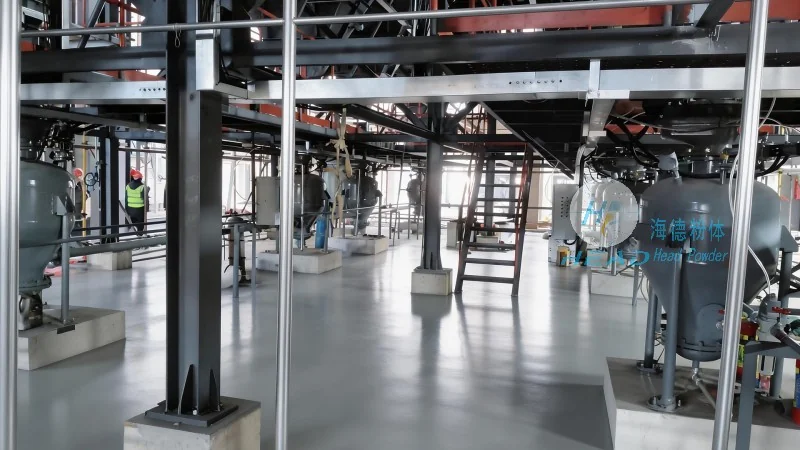
Wheat flour pneumatic conveying systems are characterized by several key features that make them ideal for various industrial applications. One of the most significant advantages is their high efficiency in handling large volumes of material with minimal energy consumption. The enclosed design prevents product contamination and degradation, which is critical for sensitive materials like wheat flour. Additionally, these systems offer flexibility in terms of layout, as the pipeline can be configured to follow the existing structure of a facility, reducing the need for extensive modifications. They are also highly hygienic, making them suitable for food processing environments where cleanliness is paramount. The systems can be integrated with existing production lines, allowing for seamless material transfer from storage to processing equipment. Another notable feature is their ability to handle materials with varying properties, such as different moisture contents or particle sizes, without compromising performance. This adaptability makes them a versatile choice for a wide range of applications.
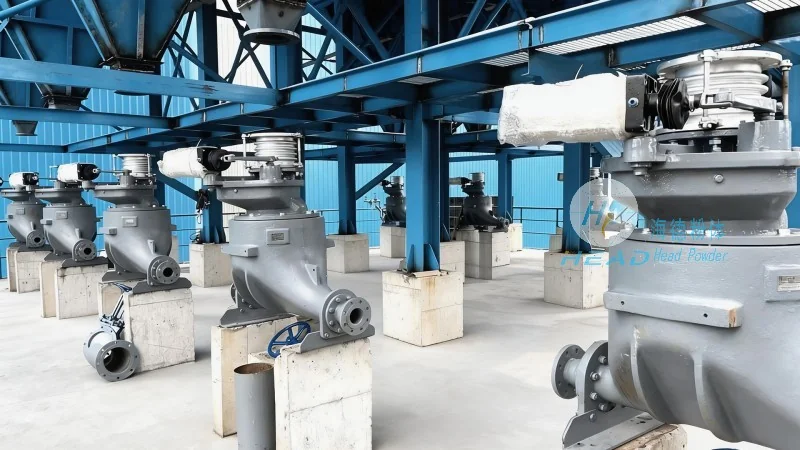
Wheat flour pneumatic conveying systems find extensive use in several key industrial sectors. In large-scale flour mills, these systems are essential for efficiently transporting wheat flour from storage silos to packaging lines. The ability to handle high volumes of material quickly and hygienically ensures that production remains uninterrupted, even during peak demand periods. In bakery and confectionery plants, the systems play a crucial role in delivering wheat flour directly to mixing and kneading equipment. This streamlined process reduces labor costs and minimizes the risk of cross-contamination, as the flour is handled in an enclosed system. Furthermore, in pharmaceutical and food processing plants, where the quality of raw materials is critical, pneumatic conveying systems provide a controlled method of handling wheat flour. The enclosed design prevents exposure to air, moisture, and other contaminants, ensuring that the flour remains fresh and meets strict quality standards. These systems are also used in smaller processing facilities, where space constraints and the need for compact solutions are important considerations. The modular design of pneumatic conveying systems allows for easy installation and integration into existing setups, making them a practical choice for businesses of all sizes.
Implementing a pneumatic conveying system for wheat flour offers numerous advantages over traditional mechanical conveyors. First, it significantly reduces labor costs by automating the material handling process. The system can operate continuously without the need for manual intervention, freeing up personnel for other critical tasks. Second, it improves product quality by minimizing the risk of contamination and degradation. The enclosed system prevents exposure to air, moisture, and other contaminants, ensuring that the wheat flour remains fresh and of high quality. Third, it enhances workplace safety by eliminating the need for manual handling of bulk materials, reducing the risk of accidents and injuries. The system also helps in maintaining a clean and organized workspace, as the dust and particles are collected and contained, preventing mess and improving overall hygiene. Finally, the system is energy-efficient, as it uses less power compared to mechanical conveyors, leading to lower operational costs over time. The initial investment in a pneumatic conveying system may be higher, but the long-term savings in terms of reduced labor, improved product quality, and lower maintenance costs make it a worthwhile investment for many businesses.

 Shandong Headpowder Engineering Co., Ltd.
 156-6277-7102(Manager Zhang)
  0531-83386006
  Zhangqiu District, Jinan City, Shandong Province, China
telephone
WeChatconsult
top