With more than 10‑year industry experience, Shandong Headpowder delivers full‑service pneumatic‑conveying systems and blowers, undertaking nationwide turn‑key powder‑handling projects.
HeadPowder, a leading provider of industrial material handling solutions, specializes in the design, manufacturing, and installation of advanced pneumatic conveying systems tailored for various bulk material applications. This article explores the fundamental principles underlying sodium carbonate pneumatic conveying equipment and highlights the key characteristics of its operational environments.
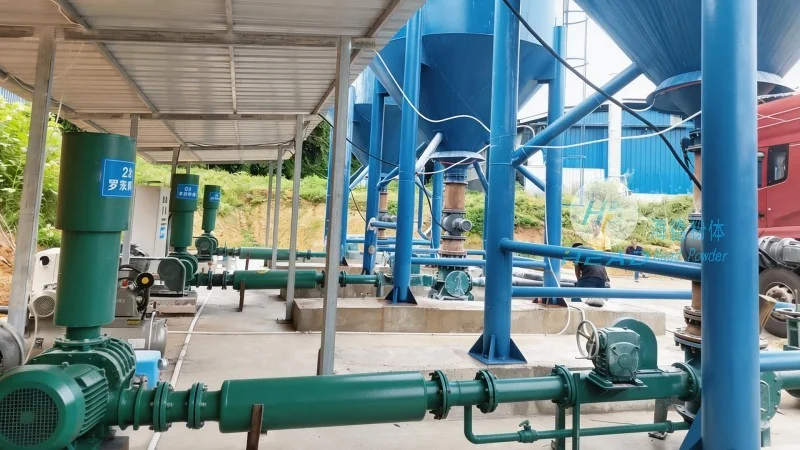
Pneumatic conveying is a method of transporting bulk solid materials through a pipeline using air or other gas as the conveying medium. It offers several advantages over traditional mechanical conveying systems, including reduced maintenance requirements, improved material cleanliness, and the ability to handle a wide range of particle sizes and moisture contents. The technology is widely used in industries such as chemical processing, food processing, and pharmaceutical manufacturing, where the safe and efficient transfer of powders and granules is critical.
The core of sodium carbonate pneumatic conveying systems lies in the interaction between the solid material and the conveying air. In a typical positive pressure system, a blower or compressor generates high-pressure air that is introduced into the material feed point. The air flows through the pipeline, carrying the sodium carbonate particles forward. The system includes components such as a hopper, a rotary valve, a pipeline network, and a receiver or discharge point. The rotary valve controls the flow of material into the pipeline, while the pipeline network ensures the material is transported to the desired location. The receiver collects the conveyed material and may include a dust collection system to maintain air quality. The principle of operation involves creating a pressure differential that propels the material through the system, with the air acting as both the carrier and the driving force.
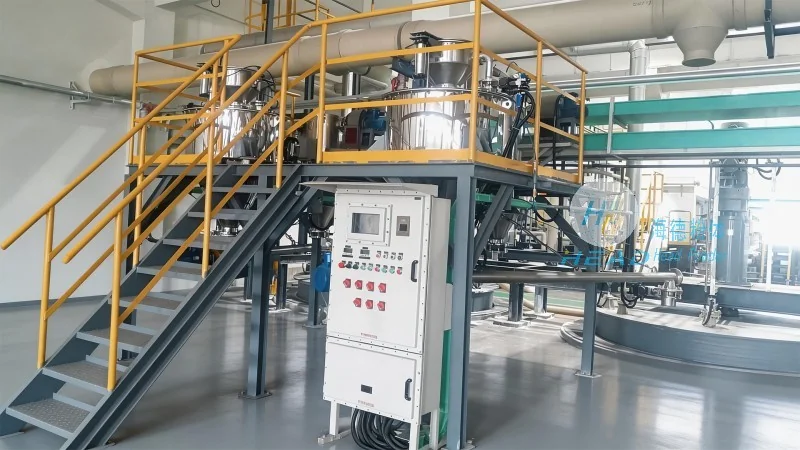
The operational environments for sodium carbonate pneumatic conveying equipment are characterized by specific conditions that impact system performance and efficiency. These characteristics include the physical properties of the material, the layout of the processing facility, and the environmental requirements. The material properties, such as particle size distribution, bulk density, and moisture content, directly affect the conveying velocity and system pressure requirements. For example, finer sodium carbonate particles may require higher air velocities to prevent clogging or deposition in the pipeline. The facility layout, including the distance between the feed and discharge points, the number of turns in the pipeline, and the presence of vertical or horizontal sections, influences the overall system design and energy consumption. Environmental considerations, such as the need for dust control and air filtration, are also critical, as sodium carbonate is a fine powder that can generate significant airborne particles if not properly managed.
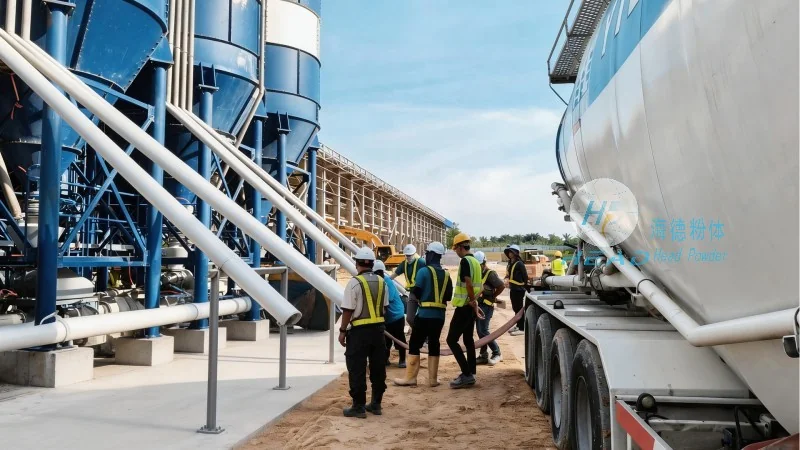
Sodium carbonate, also known as soda ash, is a versatile chemical widely used in industries including glass manufacturing, water treatment, and textile processing. The pneumatic conveying equipment designed for sodium carbonate must be capable of handling its unique characteristics, such as its reactivity with moisture and its tendency to form clumps under certain conditions. HeadPowder's systems are engineered to address these challenges, ensuring reliable and efficient material transfer. The equipment is often integrated into larger production lines, where it connects the storage silos or reactors to processing units, such as reactors or mixers. This integration allows for seamless material flow, reducing downtime and improving overall production efficiency. The systems are also designed to be compatible with existing infrastructure, minimizing the need for extensive modifications to existing facilities.
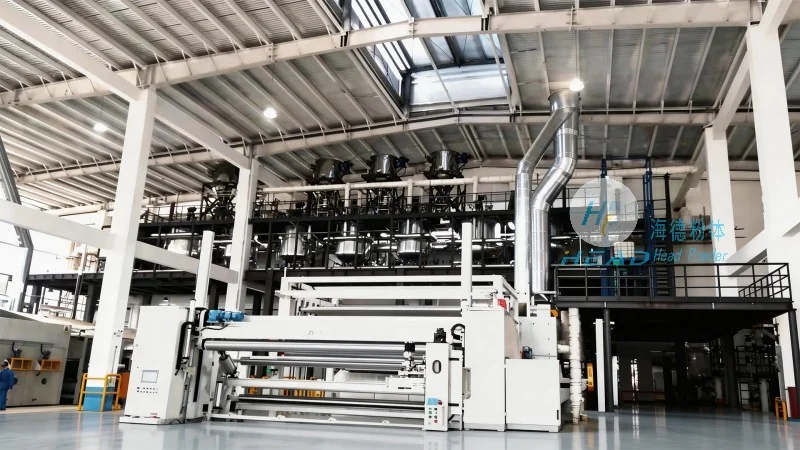
Compared to other conveying methods, such as belt conveyors or bucket elevators, pneumatic conveying offers several advantages for sodium carbonate handling. One of the primary benefits is the ability to handle fine powders without the risk of material degradation or contamination. The enclosed pipeline system prevents exposure to external elements, maintaining the purity of the sodium carbonate. Additionally, pneumatic conveying systems can be easily scaled to accommodate varying production volumes, making them suitable for both small-scale and large-scale operations. The systems also provide better control over material flow, allowing for precise dosing and feeding rates. This is particularly important in processes where the exact amount of sodium carbonate is critical, such as in chemical reactions or water treatment applications. Furthermore, the lack of moving parts in the pipeline reduces the risk of mechanical failure and maintenance costs, contributing to long-term operational reliability.
HeadPowder Engineering Co., Ltd., based in Shandong, China, is a trusted partner in the design and implementation of sodium carbonate pneumatic conveying systems. The company's expertise lies in understanding the unique requirements of bulk material handling and translating them into efficient, reliable solutions. By focusing on the principles of pneumatic conveying and the specific characteristics of sodium carbonate, HeadPowder ensures that its equipment meets the highest standards of performance and safety. The company's commitment to innovation and customer satisfaction has made it a leader in the industry, providing tailored solutions that enhance operational efficiency and reduce costs for its clients. Whether for new installations or system upgrades, HeadPowder's pneumatic conveying equipment is designed to deliver consistent performance and long-term value.

 Shandong Headpowder Engineering Co., Ltd.
 156-6277-7102(Manager Zhang)
  0531-83386006
  Zhangqiu District, Jinan City, Shandong Province, China
telephone
WeChatconsult
top