

Operation Process and Working Principle of Multi-Point Feeding Powder Conveying Equipment
Multi-point feeding powder conveying equipment is a critical component in modern industrial processes, designed to efficiently transport bulk powder materials from multiple feeding points to a central or designated discharge point. This equipment is widely used in various industries, including pharmaceuticals, chemicals, food processing, and mining, where precise and reliable powder handling is essential for maintaining product quality and operational efficiency. The technology behind these systems has evolved significantly over the years, incorporating advanced control systems, material handling mechanisms, and safety features to meet the stringent demands of contemporary manufacturing environments.
Company Overview: Shandong HeadPowder Engineering Co., Ltd.
HeadPowder, the manufacturer of this advanced powder conveying equipment, is a leading company based in Shandong, China. With years of experience in the engineering and manufacturing of powder handling solutions, HeadPowder specializes in designing, producing, and supplying high-quality equipment tailored to the specific needs of different industries. The company's commitment to innovation, quality, and customer satisfaction has established it as a trusted partner for businesses seeking reliable and efficient powder processing solutions. HeadPowder's products are known for their durability, performance, and adherence to international standards, ensuring that clients receive equipment that not only meets but exceeds their expectations.
Working Principle of Multi-Point Feeding Powder Conveying Equipment
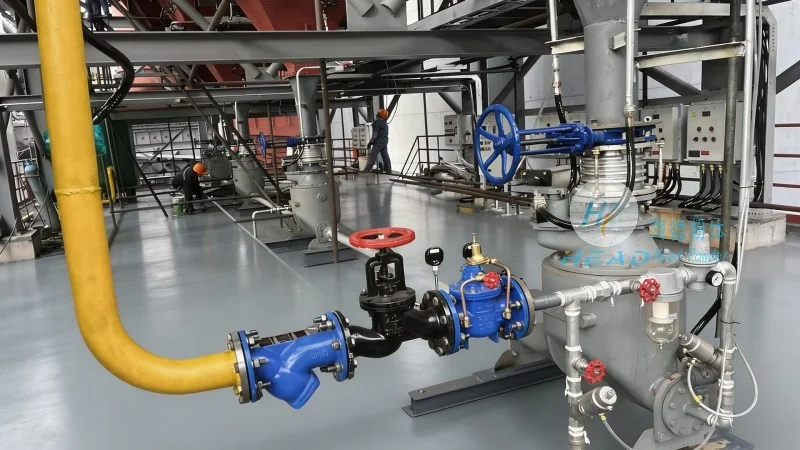
The core working principle of multi-point feeding powder conveying equipment revolves around the integration of multiple feeding mechanisms that can simultaneously or sequentially feed powder from various sources into a common conveying system. The system typically consists of several key components, including feed hoppers, feeding valves, conveying pipes, and a central control unit. Each feeding point is equipped with a hopper that holds the powder, and a feeding valve that regulates the flow rate. The control unit coordinates the operation of all feeding valves, ensuring that the powder is fed at the appropriate rate to maintain a consistent flow in the conveying line.
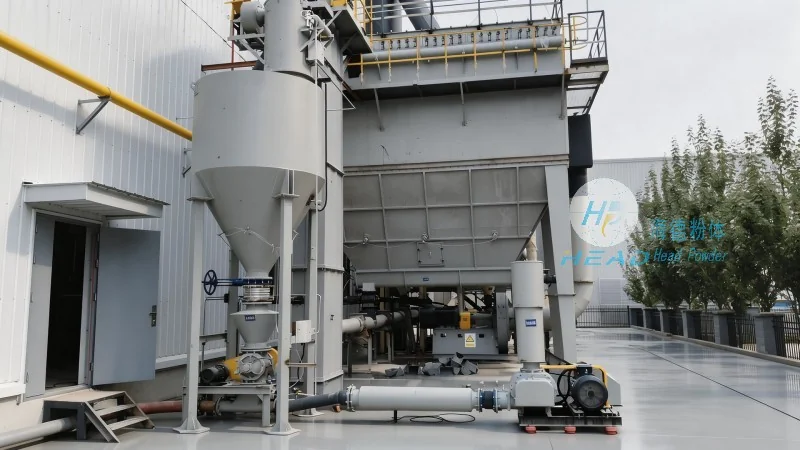
When the system is activated, the control unit sends signals to the feeding valves, which open to allow powder to enter the conveying pipes. The powder then travels through the pipes, often under pressure or using air or mechanical force, to the discharge point. The design of the conveying system, including the type of pipe (e.g., flexible hoses, rigid pipes) and the method of propulsion (e.g., positive displacement, pneumatic), is tailored to the characteristics of the powder being handled, such as particle size, density, and moisture content. This ensures that the powder is transported without segregation, agglomeration, or degradation, maintaining its quality throughout the process.
Operation Process of the Equipment
The operation process of multi-point feeding powder conveying equipment begins with the preparation of the feeding hoppers, which are filled with the powder material. The hoppers are then connected to the feeding valves, which are controlled by the central system. The control unit is programmed to manage the feeding sequence, ensuring that each feeding point contributes to the overall flow as required. For example, in a multi-stage production line, the equipment may be set to feed powder from different hoppers at specific times to match the production schedule.
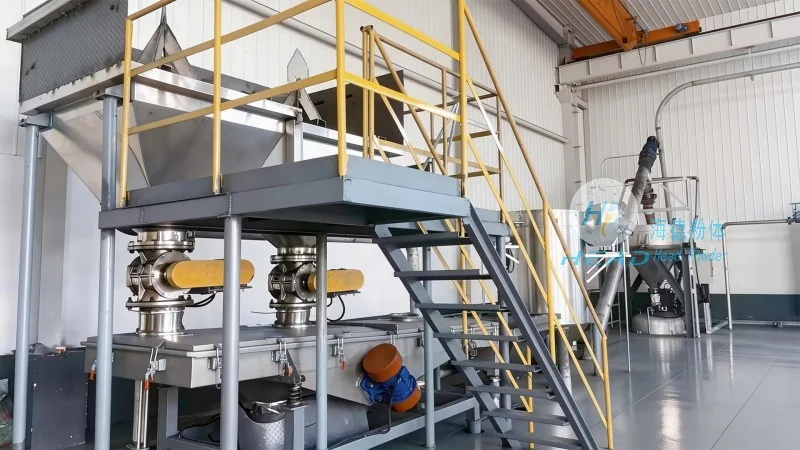
During operation, the feeding valves open and close in a synchronized manner, controlling the flow rate of powder from each hopper. The control unit monitors the pressure and flow rate in the conveying line, adjusting the feeding rates as needed to maintain a stable and consistent flow. This dynamic control is crucial for preventing overloading or underloading of the system, which can lead to inefficiencies or equipment damage. The system also includes safety features, such as pressure relief valves and emergency stop buttons, to ensure that any issues are addressed promptly and safely.
The discharge point of the equipment is typically connected to the next stage of the production process, such as a mixer, dryer, or packaging machine. The powder is discharged at a controlled rate, ensuring that the downstream equipment receives the correct amount of material without causing bottlenecks or overloading. The entire operation is monitored by the control unit, which provides real-time data on the flow rate, pressure, and other parameters, allowing operators to make adjustments as needed to optimize performance.
Key Features and Benefits
Multi-point feeding powder conveying equipment from HeadPowder offers several key features that enhance its performance and reliability. One of the primary advantages is the ability to feed powder from multiple sources simultaneously, which increases the flexibility and efficiency of the system. This is particularly useful in applications where different batches of powder need to be mixed or combined before processing. The equipment also features adjustable feeding rates, allowing operators to control the flow of powder to match the requirements of the downstream equipment.
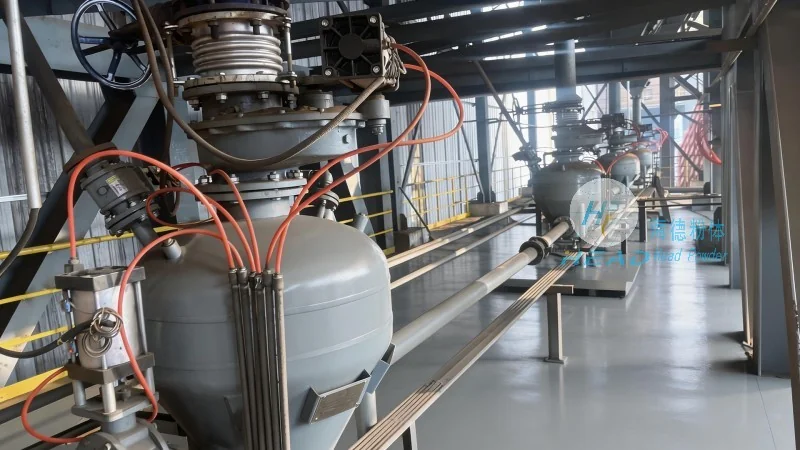
Another important feature is the integration of advanced control systems, which provide precise control over the operation of the equipment. These systems can be programmed to follow specific sequences, such as feeding from hopper A, then hopper B, and so on, ensuring that the powder is handled in the correct order. The control systems also include monitoring and alarm functions, which alert operators to any issues, such as low powder levels or abnormal pressure, allowing for quick intervention and preventing downtime.
The equipment is also designed with durability and maintenance in mind. High-quality materials are used in the construction of the components, ensuring that the equipment can withstand the rigors of continuous operation. The design of the conveying system minimizes the risk of powder leakage or contamination, which is critical in industries where product purity is paramount. Additionally, the equipment is easy to clean and maintain, reducing downtime and maintenance costs for the user.