With more than 10‑year industry experience, Shandong Headpowder delivers full‑service pneumatic‑conveying systems and blowers, undertaking nationwide turn‑key powder‑handling projects.
For industrial applications requiring efficient and reliable transport of silicon carbide powder, pneumatic conveying systems offer a robust solution. This article explores the working principle and key features of such equipment, highlighting how it addresses the unique challenges of handling this abrasive and high-value material.
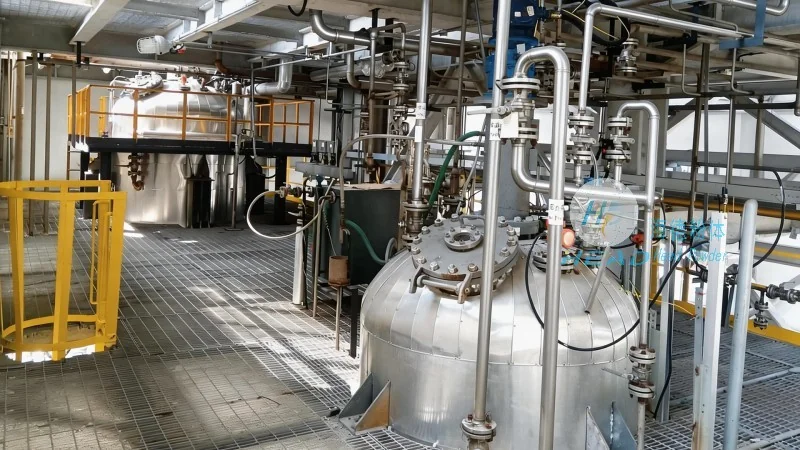
Silicon carbide (SiC) is a widely used abrasive and ceramic material known for its hardness, thermal stability, and chemical resistance. In industrial processes, it is often handled in bulk quantities, necessitating effective material transport from storage to processing units. Pneumatic conveying equipment provides a closed-loop system that minimizes dust exposure, ensures product integrity, and enhances operational safety compared to traditional methods like bucket elevators or belt conveyors.
The core mechanism of pneumatic conveying involves the use of compressed air to transport powder particles through a pipeline. The system typically consists of a hopper for material storage, a feeder to control the flow rate, a venturi or pressure drop section to accelerate the particles, and a receiver for product discharge. In the case of silicon carbide powder, the equipment is designed to handle its abrasive nature by using wear-resistant components such as stainless steel or special alloys to protect against particle impact and friction.
During operation, compressed air is introduced into the conveying line, creating a low-pressure zone that draws the silicon carbide powder from the hopper into the pipeline. The air velocity is carefully controlled to ensure that the powder particles remain suspended and move smoothly without clogging or settling. This process is often categorized as either pressure or vacuum conveying, depending on the system design and application requirements. For silicon carbide, pressure conveying is commonly preferred due to its ability to handle longer distances and higher material loads efficiently.
The pneumatic conveying equipment for silicon carbide powder is engineered with several critical features to optimize performance and durability. These include:
1. Wear-Resistant Construction: Components such as the hopper, feeder, and pipeline are made from materials like stainless steel, ceramic-lined steel, or high-grade alloys to withstand the abrasive effects of silicon carbide particles, extending the equipment's service life.
2. Variable Flow Control: Advanced feeder mechanisms, often equipped with sensors and control systems, allow precise regulation of the powder flow rate. This is essential for maintaining consistent material delivery to downstream processes, preventing overloading or underloading of equipment.
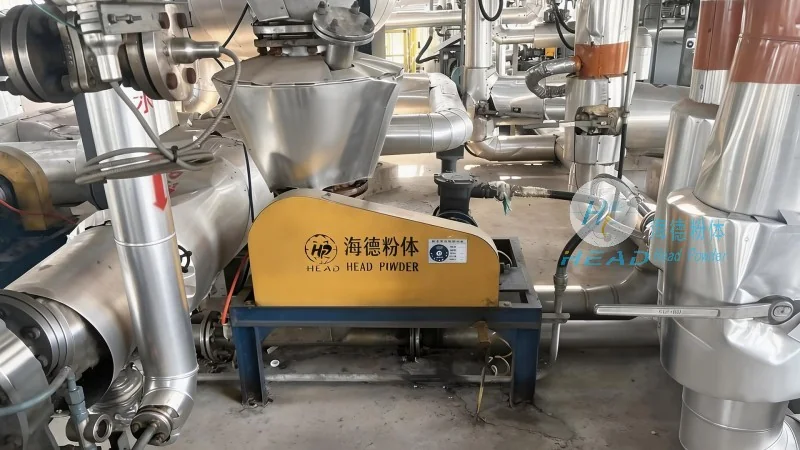
3. Low Dust Emission: The closed-loop design of the system minimizes dust generation and exposure, improving workplace safety and complying with environmental regulations. This is particularly important for silicon carbide, which can be harmful if inhaled.
4. Energy Efficiency: Modern pneumatic conveying systems incorporate energy-saving features, such as variable speed drives for air compressors and optimized air flow paths, reducing operational costs while maintaining performance.
Compared to other material handling methods, pneumatic conveying offers several advantages when dealing with silicon carbide powder:
Firstly, it eliminates the need for mechanical contact between the material and the conveying equipment, reducing wear and tear on both the product and the machinery. This is crucial for maintaining the purity and quality of silicon carbide, which is sensitive to contamination.
Secondly, the closed system prevents dust from escaping into the environment, protecting workers and equipment from damage caused by abrasive particles. This also helps in maintaining a clean and safe working environment, which is a priority in industrial settings.
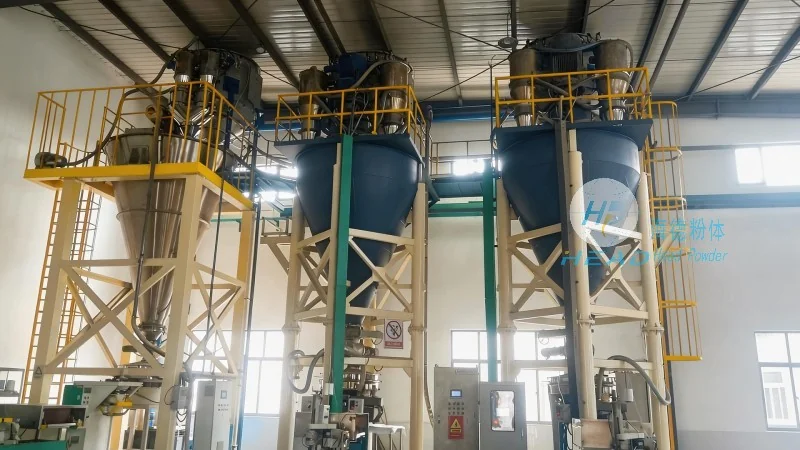
Thirdly, the ability to transport silicon carbide powder over long distances without the need for intermediate storage or transfer points streamlines production processes, improving overall efficiency and reducing downtime.
Silicon carbide powder pneumatic conveying systems are widely used in various industries, including refractory manufacturing, abrasive tools production, and semiconductor fabrication. In refractory production, the equipment efficiently transports SiC powder to mix with other raw materials, ensuring consistent composition and reducing the risk of material segregation.
In abrasive tools manufacturing, the system delivers SiC powder to blending and molding processes, where its high hardness contributes to the quality of grinding wheels and cutting tools. The precise control of powder flow ensures uniform product characteristics, enhancing the performance of the final tools.
In semiconductor applications, the closed-loop system maintains the purity of SiC powder, which is critical for producing high-quality wafers and components. The low dust emission and contamination control features of the equipment help meet stringent industry standards.
Shandong HeadPowder Engineering Co., Ltd., a leading manufacturer of industrial material handling solutions, specializes in designing and supplying pneumatic conveying equipment tailored to the needs of silicon carbide powder applications. With a focus on durability, efficiency, and safety, the company's products are engineered to handle the unique challenges of abrasive materials like silicon carbide.
HeadPowder, headquartered in Shandong, China, leverages advanced engineering and manufacturing capabilities to deliver high-quality solutions that meet the demands of modern industrial processes. The company's commitment to innovation and customer satisfaction has established it as a trusted partner in the material handling industry.

 Shandong Headpowder Engineering Co., Ltd.
 156-6277-7102(Manager Zhang)
  0531-83386006
  Zhangqiu District, Jinan City, Shandong Province, China
telephone
WeChatconsult
top