With more than 10‑year industry experience, Shandong Headpowder delivers full‑service pneumatic‑conveying systems and blowers, undertaking nationwide turn‑key powder‑handling projects.
When operating pneumatic conveying systems for the transport of sodium phosphate, ensuring the integrity of the system to prevent dust leakage is crucial. This article from Shandong HeadPowder Engineering Co., Ltd. explores effective strategies and best practices to maintain a dust-tight operation, highlighting the importance of system design, material handling considerations, and maintenance protocols.
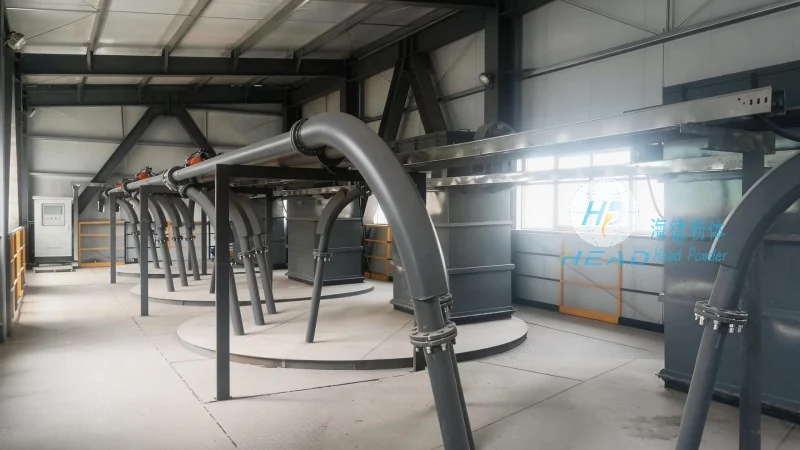
Sodium phosphate is a common industrial chemical used in various applications, including food processing, pharmaceuticals, and water treatment. Its handling requires specialized equipment due to its fine particle size and hygroscopic nature, which can lead to increased dust generation and potential leakage if not managed properly. Pneumatic conveying systems, while efficient for bulk material transport, are susceptible to dust leakage at joints, seals, and transfer points. The fine particles of sodium phosphate can easily escape through even minor gaps, leading to safety hazards, environmental contamination, and operational inefficiencies.
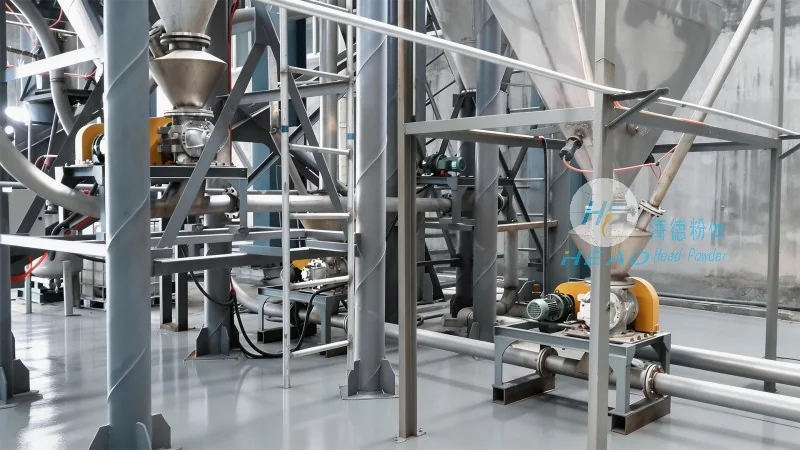
Several factors contribute to dust leakage in pneumatic conveying systems when transporting sodium phosphate. The first is the material's physical properties: sodium phosphate particles are typically small and lightweight, making them prone to suspension and escape from the conveying line. Second, the system's design and components play a critical role. Poorly sealed joints, inadequate filter bags, or worn-out valves can create pathways for dust to escape. Third, operational parameters such as air pressure, flow rate, and conveying distance affect the system's performance. High air pressure or excessive flow rates can increase the velocity of particles, potentially overwhelming the system's sealing mechanisms. Lastly, environmental conditions, including humidity and temperature fluctuations, can impact the material's behavior and the system's performance, exacerbating dust leakage issues.
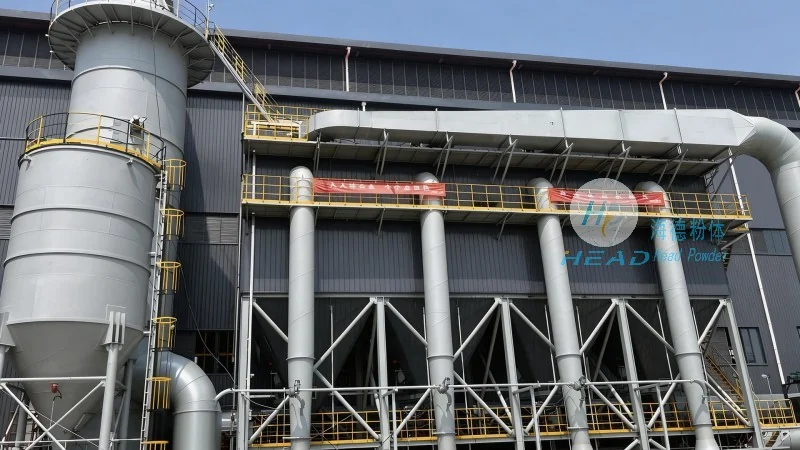
Implementing robust strategies is essential to mitigate dust leakage in pneumatic conveying systems for sodium phosphate. First, system design should prioritize dust-tight construction. This includes using high-quality seals, gaskets, and joints that are specifically designed for handling fine powders. The use of double-seal or hermetic designs can significantly reduce the risk of leakage. Second, selecting appropriate equipment components is crucial. High-efficiency filter bags or cartridge filters with fine mesh can capture even the smallest particles, preventing them from escaping into the environment. Additionally, using wear-resistant materials for valves and elbows can extend the system's lifespan and maintain proper sealing. Third, regular maintenance and inspections are vital. Routine checks of seals, filters, and other components can identify potential issues before they escalate into major dust leakage problems. Implementing a preventive maintenance schedule, including periodic cleaning and replacement of filters, ensures the system operates at optimal efficiency. Fourth, optimizing operational parameters can enhance dust containment. Adjusting air pressure and flow rates to the recommended levels for the specific material and system design can reduce particle velocity and minimize leakage. Monitoring system performance through pressure sensors and flow meters helps in maintaining consistent operation and detecting any deviations that may lead to dust escape.
Shandong HeadPowder Engineering Co., Ltd., a leading provider of pneumatic conveying solutions, has successfully implemented dust prevention measures in several industrial applications involving sodium phosphate. One notable case involved a food processing plant that was experiencing significant dust leakage from its pneumatic conveying system. The company's engineers conducted a thorough assessment of the system, identifying weak points in the seals and filter system. By replacing old gaskets with high-performance, dust-tight seals and upgrading the filter bags to finer mesh, the plant achieved a 90% reduction in dust leakage. Additionally, the engineers optimized the air pressure and flow rate to match the material's characteristics, further enhancing the system's efficiency. The plant reported improved safety, reduced environmental compliance costs, and increased operational productivity as a result of these modifications. This case study highlights the effectiveness of a comprehensive approach to dust prevention, combining system design improvements, equipment upgrades, and operational optimization.
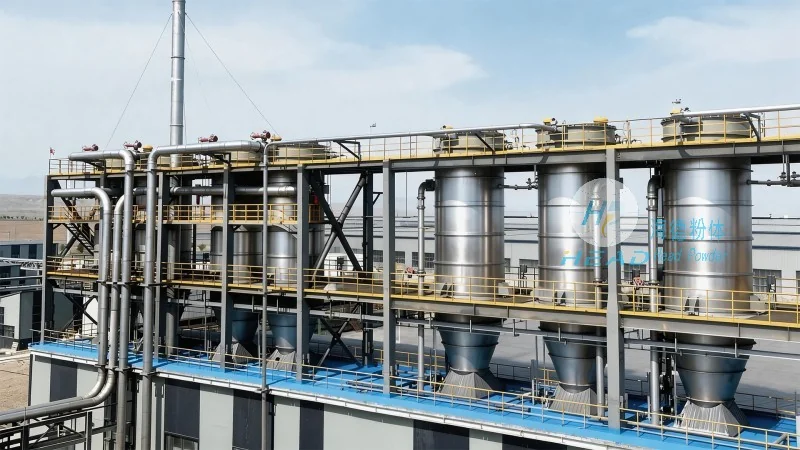
Preventing dust leakage in pneumatic conveying systems when transporting sodium phosphate requires a multi-faceted approach that addresses system design, equipment selection, maintenance, and operational parameters. By prioritizing dust-tight construction, using high-quality components, and implementing regular maintenance, industrial facilities can significantly reduce the risk of dust leakage. Shandong HeadPowder Engineering Co., Ltd. offers specialized expertise and solutions tailored to the unique challenges of handling sodium phosphate, ensuring safe and efficient material transport. For businesses seeking to enhance their pneumatic conveying systems' performance and minimize dust-related issues, partnering with experienced engineering firms like HeadPowder is a strategic investment in operational safety and efficiency.

 Shandong Headpowder Engineering Co., Ltd.
 156-6277-7102(Manager Zhang)
  0531-83386006
  Zhangqiu District, Jinan City, Shandong Province, China
telephone
WeChatconsult
top