With more than 10‑year industry experience, Shandong Headpowder delivers full‑service pneumatic‑conveying systems and blowers, undertaking nationwide turn‑key powder‑handling projects.
When designing a pneumatic conveying system for nickel sulfate, several key factors must be considered to ensure efficiency, reliability, and cost-effectiveness. This document outlines the essential design considerations that professionals in the field should address when developing a system for this specific application. The focus is on practical, industry-validated approaches to system design, emphasizing the importance of matching the system to the material properties and operational requirements of nickel sulfate.
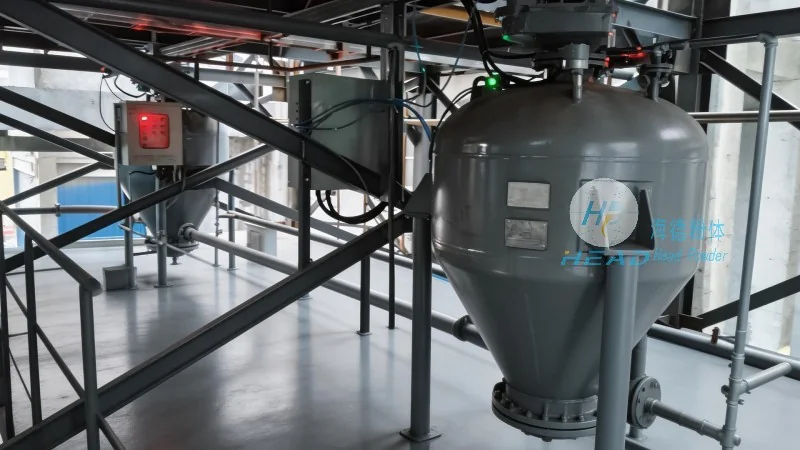
Effective design of a nickel sulfate pneumatic conveying system begins with a thorough understanding of the material's characteristics. Nickel sulfate, often in the form of a fine powder or granules, presents unique challenges due to its density, flowability, and potential for dust generation. These properties directly impact the selection of conveying velocity, pressure, and equipment materials. A critical first step is to conduct a material analysis to determine the bulk density, particle size distribution, and moisture content of the nickel sulfate. This data is essential for calculating the required air velocity and pressure to maintain stable conveying conditions.
The layout of the pneumatic conveying system is a foundational element that influences overall performance and maintenance costs. For nickel sulfate applications, the system typically includes a feed hopper, a rotary valve for material discharge, a conveying line, and a receiver or discharge point. The pipeline design must account for the material's tendency to settle or agglomerate, which can lead to blockages if not properly managed. Horizontal and vertical runs should be optimized to minimize pressure drops and reduce the risk of material deposition. For instance, vertical sections should be inclined at an angle sufficient to prevent material accumulation, often between 45 to 60 degrees from the horizontal. The use of bends and elbows should be minimized, as they increase pressure losses and can cause wear on the system components.
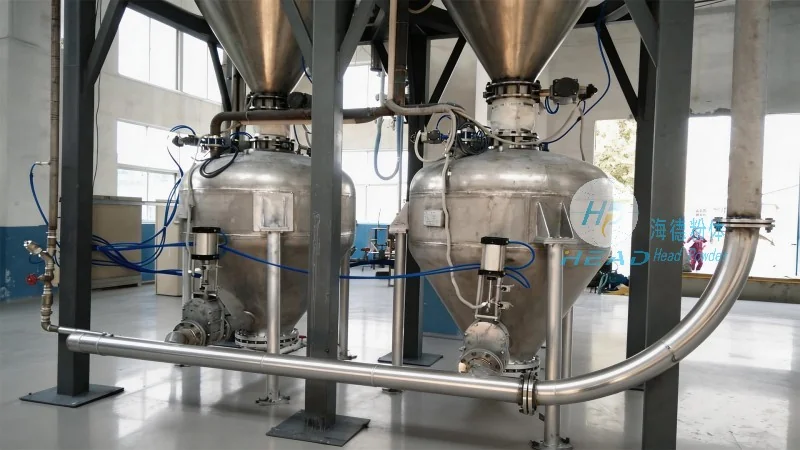
Choosing the appropriate pressure and air velocity is crucial for maintaining a stable and efficient conveying process. Nickel sulfate, being a relatively dense powder, requires higher air velocities compared to lighter materials to prevent settling. The air velocity must be high enough to keep the particles in suspension but low enough to avoid excessive wear on the pipeline and equipment. A common approach is to use a conveying velocity that is 1.5 to 2 times the terminal velocity of the material particles. This ensures that the particles remain airborne throughout the conveying process. The pressure system can be either positive or negative, depending on the application. Positive pressure systems are more common for long-distance or high-capacity conveying, as they provide consistent pressure and can handle more complex layouts. Negative pressure systems are often used for short-distance conveying or when the material is being transferred from a higher elevation to a lower one, as they help contain dust and prevent material spillage.
The selection of equipment components is critical to the longevity and performance of the pneumatic conveying system. For nickel sulfate, which can be abrasive and corrosive, materials such as stainless steel, especially 316L, are recommended for the pipeline, valves, and other wetted parts. These materials resist corrosion from the sulfate and prevent the buildup of material on surfaces, which can lead to blockages. The rotary valve, a key component for controlling material flow from the hopper, should be chosen based on the material's flowability. For cohesive or sticky nickel sulfate, a star or vane-type rotary valve may be more suitable than a simple butterfly valve, as it provides better control and reduces the risk of material bridging. The air compressor and blower must be sized to provide sufficient pressure and volume to meet the system's requirements. Over-sizing can lead to unnecessary energy consumption, while under-sizing can result in poor conveying performance or system failure.
Modern pneumatic conveying systems often incorporate advanced control systems to enhance operational efficiency and safety. Automation can include features such as pressure monitoring, flow rate control, and alarm systems that alert operators to potential issues like blockages or pressure drops. For nickel sulfate applications, where dust control is a concern, the control system may also include dust suppression mechanisms, such as misting nozzles or vacuum seals, to minimize emissions and comply with environmental regulations. The integration of sensors and data logging can provide real-time insights into system performance, allowing for proactive maintenance and optimization. This not only improves the system's reliability but also reduces downtime and maintenance costs over the long term.
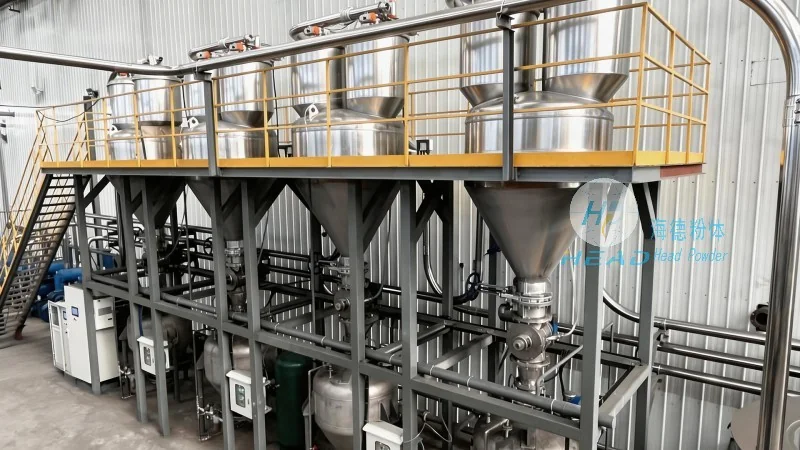
Proper installation and regular maintenance are essential for the long-term performance of a nickel sulfate pneumatic conveying system. During installation, all components should be aligned correctly and secured to prevent vibration and wear. The pipeline should be checked for leaks, as even small leaks can lead to pressure loss and reduced conveying efficiency. Regular maintenance should include cleaning of the hopper and pipeline to prevent material buildup, inspection of the rotary valve and other moving parts for wear, and replacement of worn components as needed. For nickel sulfate, which can be abrasive, the frequency of maintenance may need to be higher than for other materials. This includes checking the condition of the pipeline interior, as material abrasion can lead to thinning of the pipe walls over time. By following a regular maintenance schedule, the system's lifespan can be extended, and operational costs can be minimized.
Designing a pneumatic conveying system for nickel sulfate requires a comprehensive approach that considers material properties, system layout, pressure and velocity, equipment selection, and control systems. By addressing these key design considerations, engineers can develop a system that is efficient, reliable, and cost-effective. The expertise of companies like Shandong HeadPowder Engineering Co., Ltd. (headpowder) is invaluable in this process, as they bring years of experience in designing and implementing pneumatic conveying systems for various industrial applications. Their understanding of material behavior and system optimization ensures that the final design meets the specific needs of the client while adhering to industry best practices.

 Shandong Headpowder Engineering Co., Ltd.
 156-6277-7102(Manager Zhang)
  0531-83386006
  Zhangqiu District, Jinan City, Shandong Province, China
telephone
WeChatconsult
top