With more than 10‑year industry experience, Shandong Headpowder delivers full‑service pneumatic‑conveying systems and blowers, undertaking nationwide turn‑key powder‑handling projects.
When designing a sand pneumatic conveying system, several critical factors must be considered to ensure efficient operation, reliability, and cost-effectiveness. The process involves a systematic approach that addresses material properties, system configuration, and operational requirements. This article outlines key design considerations for sand pneumatic conveying systems, providing insights into the technical and practical aspects that influence system performance.
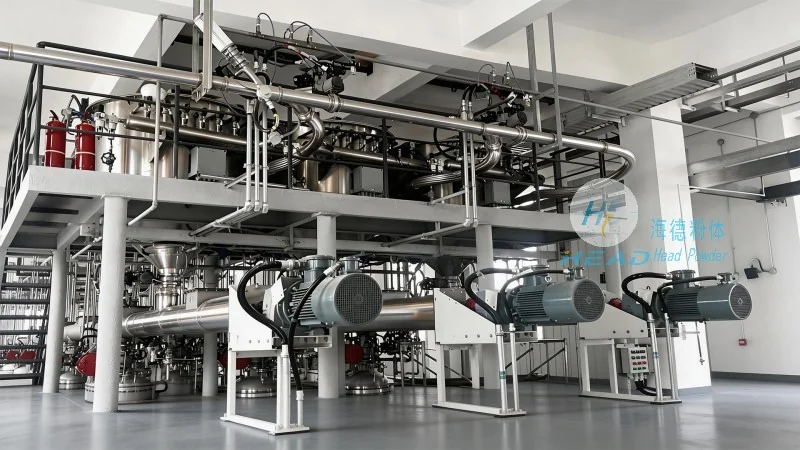
The first step in designing a sand pneumatic conveying system is to select the appropriate system type based on the characteristics of the sand being handled. Common types include dilute phase, dense phase, and pressure/venturi systems. Dilute phase systems are suitable for light, free-flowing materials like sand, as they use high-velocity air to transport particles in a suspended state. Dense phase systems, on the other hand, use lower air velocities and higher pressure to move material in a slurry-like state, which is beneficial for handling abrasive or sensitive materials. The choice of system type directly impacts the system's energy consumption, equipment size, and overall cost. Material characteristics such as particle size distribution, moisture content, and density are crucial in determining the optimal system configuration. For example, fine sand particles may require a higher air-to-material ratio in a dilute phase system to prevent clogging, while coarser sand might benefit from a dense phase system to reduce wear on components.
Accurate calculation of key design parameters is essential for the successful implementation of a sand pneumatic conveying system. These parameters include air flow rate, pressure drop, and system capacity. The air flow rate is determined by the material's specific gravity, particle size, and the desired conveying velocity. A common rule of thumb is to maintain an air velocity of 20-30 meters per second for dilute phase systems to ensure proper particle suspension. The pressure drop across the system components, such as the hopper, pipeline, and receiver, must be calculated to ensure sufficient pressure is available to move the material. This involves considering the friction losses in the pipeline, the pressure drop due to bends and fittings, and the pressure required to overcome the elevation difference between the source and destination. The system capacity, measured in terms of material throughput (e.g., tons per hour), is determined by the air flow rate and the material's bulk density. Proper calculation of these parameters ensures that the system operates within its design limits and avoids overloading or underutilization.
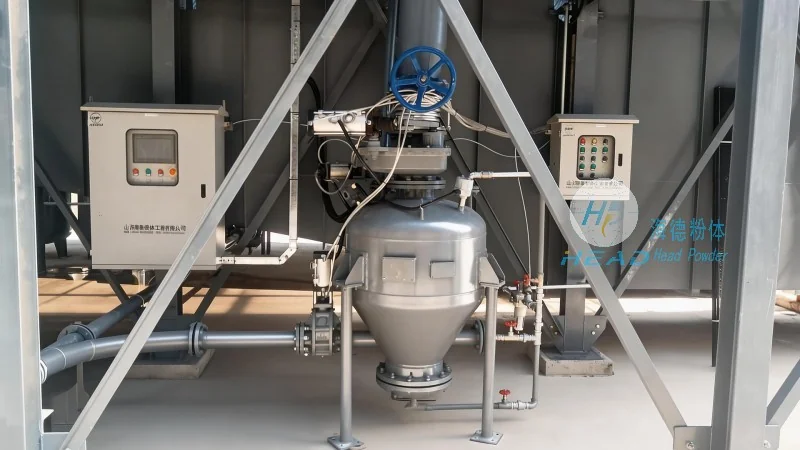
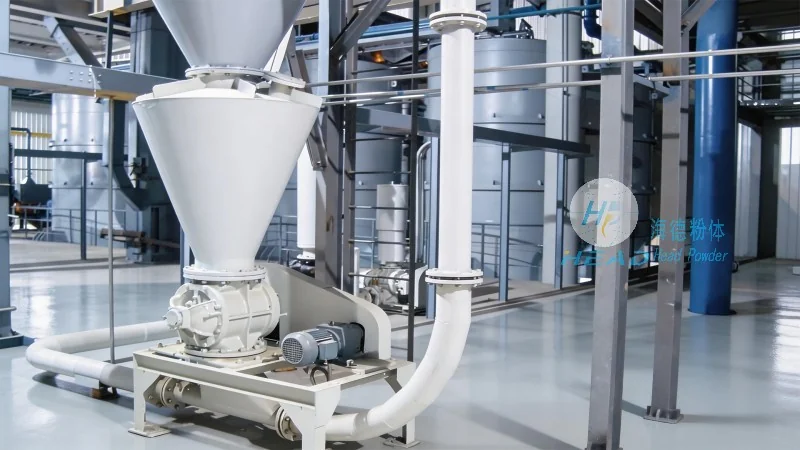
The selection of equipment and components plays a vital role in the performance and longevity of a sand pneumatic conveying system. The hopper design is critical as it must provide sufficient storage capacity and ensure uniform material flow into the conveying line. The hopper should be designed with a steep slope to prevent material bridging and ensure consistent feed. The inlet of the hopper is typically equipped with a feeder, such as a rotary valve or a star valve, to control the material flow rate. The feeder must be selected based on the material's flow properties and the required flow rate. The pipeline material and diameter are also important considerations. For sand, which can be abrasive, materials like stainless steel or high-grade carbon steel are commonly used to prevent wear and corrosion. The pipeline diameter is determined by the air velocity and the material's bulk density, with larger diameters required for higher capacities to minimize pressure drop. The receiver, where the material is deposited, should be designed to prevent dust emissions and ensure easy material discharge. It may include features like a dust collection system or a discharge valve to control the material release.
Effective control systems are essential for maintaining the optimal operation of a sand pneumatic conveying system. These systems typically include sensors to monitor air pressure, flow rate, and material level. Pressure sensors are used to detect changes in system pressure, which can indicate blockages or leaks. Flow sensors measure the air velocity and volume, ensuring that the system operates at the designed air-to-material ratio. Material level sensors in the hopper and receiver help in monitoring the material inventory and triggering feeding or discharge actions as needed. The control system may also include automation features to adjust the feeder speed or air flow rate in response to changes in material feed or system pressure. Operational considerations include regular maintenance and inspection of system components. This includes checking for wear in the pipeline and hopper, cleaning the dust collection system, and replacing worn parts. Proper maintenance helps in extending the system's lifespan and preventing unexpected downtime. Additionally, training operators on the proper operation and troubleshooting of the system is crucial for ensuring safe and efficient operation.
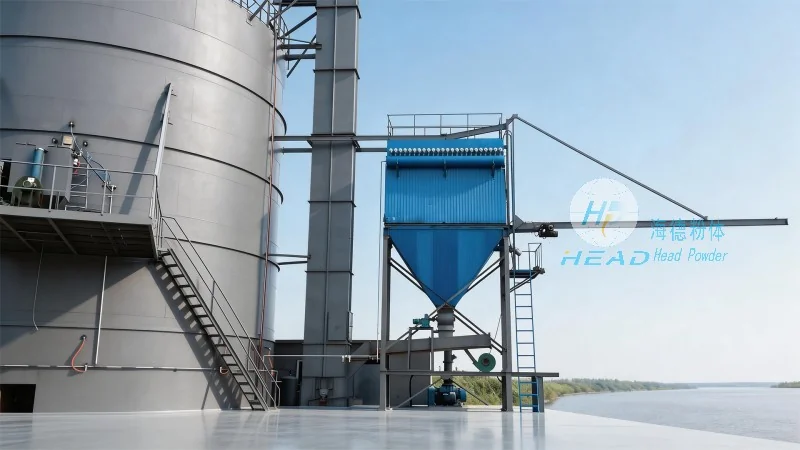
Environmental and safety considerations are important aspects of sand pneumatic conveying system design. Dust emissions from the system can be a health hazard and may require dust collection systems to comply with environmental regulations. The receiver and hopper should be equipped with dust collection hoods and filters to capture and remove airborne particles. Proper ventilation and filtration systems are essential to maintain a safe working environment. Safety features such as pressure relief valves and emergency shut-off systems are also necessary to prevent overpressure and ensure operator safety. The system should be designed to minimize the risk of material spillage and dust accumulation, which can lead to fire hazards. Compliance with local environmental and safety standards is crucial for the long-term operation of the system. Regular inspections and testing of the dust collection and safety systems are recommended to ensure they are functioning correctly.
Shandong HeadPowder Engineering Co., Ltd., a leading provider of pneumatic conveying solutions, has successfully implemented sand pneumatic conveying systems for various industrial applications. One notable project involved the design and installation of a dilute phase system for transporting fine sand from a storage silo to a processing plant. The system was designed to handle a capacity of 50 tons per hour, with a conveying distance of 200 meters. The system utilized stainless steel pipelines and a rotary valve feeder to ensure efficient material flow. The control system included pressure and flow sensors to monitor the system's performance and adjust the air flow rate as needed. The project was completed on schedule and within budget, with the system operating efficiently and reliably. The client reported significant improvements in material handling efficiency and reduced labor costs compared to traditional methods. This case study highlights the importance of proper system design and the expertise of Shandong HeadPowder Engineering Co., Ltd. in delivering high-quality pneumatic conveying solutions.

 Shandong Headpowder Engineering Co., Ltd.
 156-6277-7102(Manager Zhang)
  0531-83386006
  Zhangqiu District, Jinan City, Shandong Province, China
telephone
WeChatconsult
top