

Working Principle and Characteristics of Low-Pressure Pneumatic Conveying
Low-pressure pneumatic conveying is a widely used method for transporting bulk materials in various industrial applications. It involves the movement of solid particles through a pipeline using a low-pressure air stream. This technology offers several advantages over traditional mechanical conveying systems, making it a preferred choice for many industries.
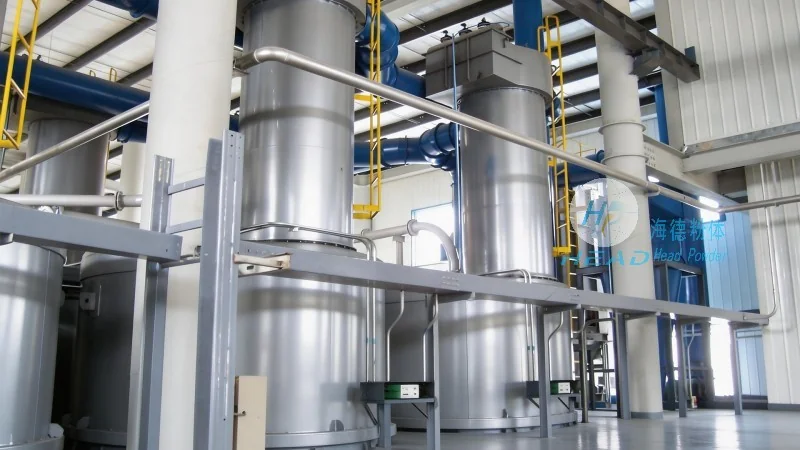
Working Principle of Low-Pressure Pneumatic Conveying
The core mechanism of low-pressure pneumatic conveying is based on the creation of a pressure differential between the material feed point and the discharge point. A fan or blower generates a low-pressure air flow within the conveying pipeline. As the material is introduced into the system, it is entrained by the air stream and carried along the pipeline to the destination. The pressure difference ensures that the material is continuously transported without the need for mechanical components like screws or belts.
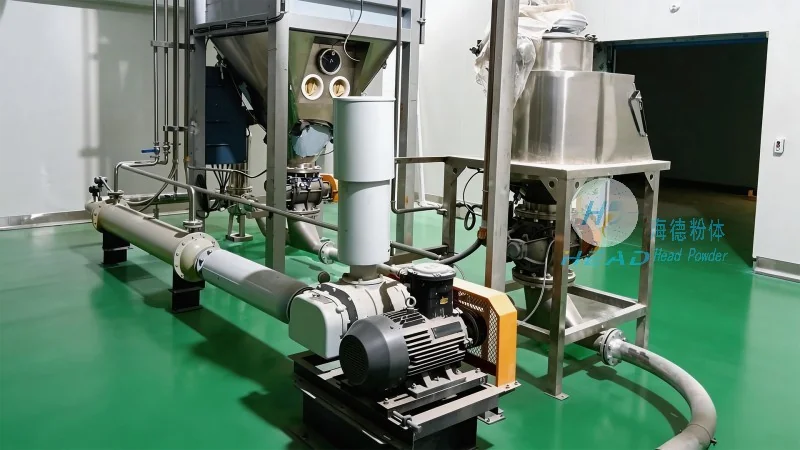
Key components in a low-pressure pneumatic conveying system include the material hopper, feeder, conveying line, and receiver. The feeder controls the rate at which material is introduced into the system, while the conveying line transports the material. The receiver collects the material at the end of the pipeline. The fan or blower provides the necessary air flow to maintain the pressure differential and ensure efficient material transport.
Key Characteristics of Low-Pressure Pneumatic Conveying
Low-pressure pneumatic conveying systems are characterized by several distinct features that make them suitable for a variety of applications. One of the primary advantages is the ability to handle a wide range of materials, including powders, granules, and even bulk solids. This versatility makes it ideal for industries such as food processing, pharmaceuticals, and chemical manufacturing.
Another significant characteristic is the gentle handling of materials. Unlike mechanical systems that can cause abrasion or degradation, pneumatic conveying minimizes product damage, preserving the quality and integrity of the material. This is particularly important for sensitive products like pharmaceuticals or food ingredients.
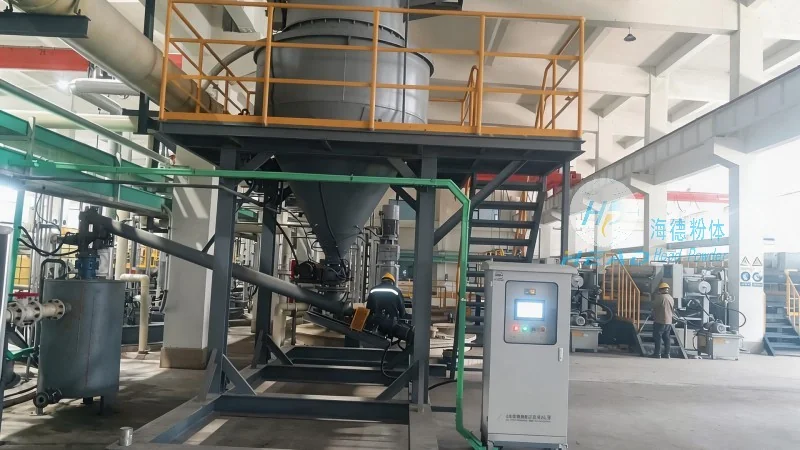
Low-pressure systems also offer flexibility in terms of layout and installation. They can be easily adapted to existing facilities and can be configured to handle multiple material streams or varying material types. The modular design allows for scalability, enabling companies to expand their conveying systems as their production needs grow.
Additionally, low-pressure pneumatic conveying is generally more energy-efficient compared to high-pressure systems. The lower air pressure requirements reduce energy consumption, leading to cost savings over time. This makes it an economical choice for long-distance or high-volume material transport.
Applications and Industries
Low-pressure pneumatic conveying is utilized in numerous industries due to its adaptability and efficiency. In the food and beverage industry, it is commonly used for transporting ingredients like flour, sugar, and spices. The gentle handling ensures that these products remain fresh and free from contamination. In the pharmaceutical sector, low-pressure systems are essential for conveying active pharmaceutical ingredients (APIs) and other sensitive materials, maintaining strict quality control standards.
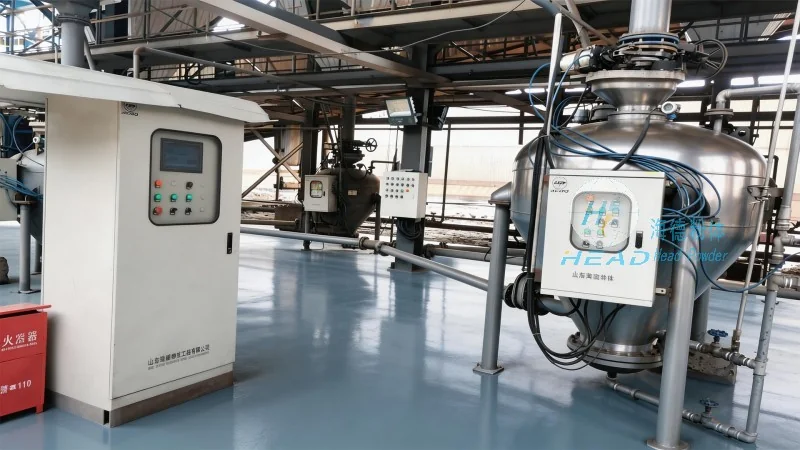
In the chemical industry, low-pressure pneumatic conveying is used for transporting powders and granules, such as chemicals and catalysts. The ability to handle abrasive materials without causing wear and tear on the system components is a key benefit. Similarly, in the agricultural sector, it is employed for transporting grain and other bulk agricultural products, facilitating efficient storage and processing.
Advantages and Limitations
While low-pressure pneumatic conveying offers numerous benefits, it also has some limitations that must be considered. One of the main drawbacks is the potential for material buildup in the pipeline, especially with sticky or cohesive materials. This can lead to blockages and require regular maintenance to prevent system downtime.
Another limitation is the need for proper system design and maintenance to ensure optimal performance. Poorly designed systems may result in inefficient material transport or increased energy consumption. Regular cleaning and inspection of the conveying line and components are essential to maintain system efficiency and prevent material degradation.
Despite these limitations, the advantages of low-pressure pneumatic conveying often outweigh the drawbacks, making it a popular choice for many industrial applications. The ability to handle a wide range of materials, gentle handling, and energy efficiency make it a reliable and cost-effective solution for bulk material transport.
About Shandong HeadPowder Engineering Co., Ltd.
Shandong HeadPowder Engineering Co., Ltd., operating under the brand name HeadPowder, is a leading manufacturer and supplier of pneumatic conveying systems. With headquarters in Shandong, China, the company specializes in designing and manufacturing low-pressure pneumatic conveying equipment tailored to the specific needs of various industries. HeadPowder's expertise lies in providing customized solutions that enhance material handling efficiency and product quality.
The company's commitment to quality and innovation has enabled it to serve a diverse clientele across multiple sectors. By leveraging advanced technology and engineering expertise, HeadPowder ensures that its systems meet the highest standards of performance and reliability. Customers benefit from the company's comprehensive support, including design assistance, installation guidance, and ongoing maintenance services.
HeadPowder's low-pressure pneumatic conveying systems are engineered to deliver consistent performance and durability, ensuring long-term operational efficiency. The company's focus on customer satisfaction and product excellence has established it as a trusted partner in the material handling industry. With a strong presence in China and a growing international client base, HeadPowder continues to advance the technology of pneumatic conveying, providing sustainable solutions for bulk material transport.