

[MINE MATERIAL PNEUMATIC CONVEYING EQUIPMENT: WHAT THEY ARE AND THEIR DESIGN PRINCIPLES]
Welcome to Shandong HeadPowder Engineering Co., Ltd., a leading manufacturer specializing in the design and production of mine material pneumatic conveying equipment. Based in Shandong, China, our company has been committed to providing high-quality solutions for material handling in mining operations. This article will explore the fundamental aspects of these systems, including their definition, core design principles, and practical applications.
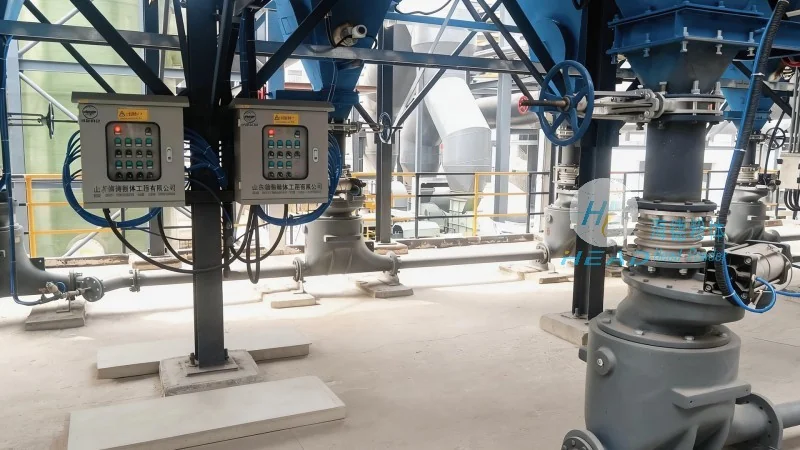
Understanding Mine Material Pneumatic Conveying Equipment
Mine material pneumatic conveying equipment refers to a range of industrial systems designed to transport bulk materials, such as ores, powders, and granules, through a pipeline using air or other gases. Unlike traditional mechanical conveyors, these systems utilize the force of compressed air to move materials from one location to another. The primary goal is to enhance efficiency, reduce labor costs, and improve safety in mining and processing facilities. The equipment typically consists of a series of components, including a feeder, a conveying line, a separator, and a receiver, all working in tandem to ensure reliable material transport.
Key Design Principles of Pneumatic Conveying Systems
The design of mine material pneumatic conveying equipment is governed by several critical principles that ensure optimal performance and reliability. The first principle is the selection of the appropriate conveying method, which can be categorized into dilute-phase or dense-phase systems. Dilute-phase systems, often used for lighter materials like powders, rely on high-velocity air to suspend particles and transport them through the pipeline. In contrast, dense-phase systems are preferred for heavier or abrasive materials, where air is introduced at a lower velocity to create a slurry-like flow, reducing wear on components and minimizing material degradation. Another crucial design principle is the calculation of air flow rates and pressure requirements. Engineers must accurately determine the necessary air volume and pressure to maintain the desired conveying velocity and prevent blockages or material deposition in the pipeline. This involves considering factors such as material density, particle size distribution, and pipeline length. Additionally, the design incorporates features to handle variations in material properties, such as moisture content or particle size, ensuring consistent performance under different operating conditions. The system also includes components like cyclone separators and filters to separate the conveyed material from the air stream, preventing dust contamination and maintaining air quality. The receiver or discharge unit is designed to safely collect the material and minimize spillage, while the feeder ensures a steady supply of material to the conveying line. Overall, the design aims to balance efficiency, durability, and operational safety, making it suitable for demanding mining environments.
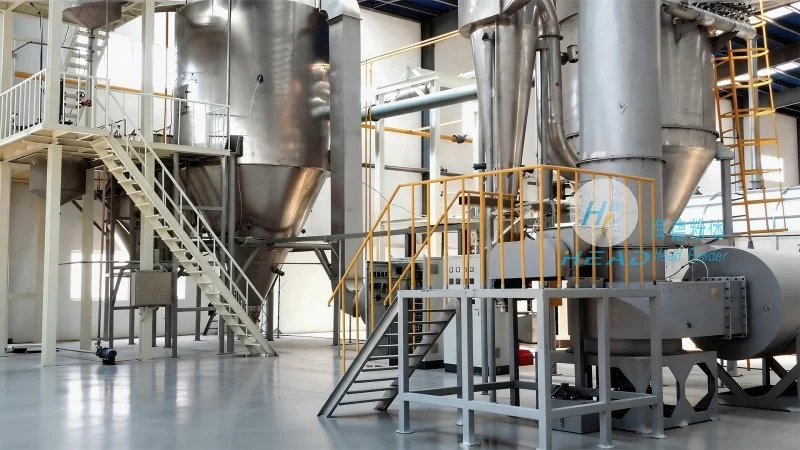
Components and Functionality of Pneumatic Conveying Equipment
At the heart of mine material pneumatic conveying equipment are several key components that work together to facilitate material transport. The feeder is responsible for introducing the material into the conveying line at a controlled rate, ensuring a consistent flow. This component can be a rotary valve, a screw feeder, or a vibratory feeder, depending on the material characteristics and the required flow rate. The conveying line itself is typically made of stainless steel or other corrosion-resistant materials to withstand the abrasive nature of mining materials and the effects of air pressure. The line may include bends, elbows, and straight sections, with each component designed to minimize pressure loss and maintain the material's suspended state. The separator, often a cyclone or a bag filter, is positioned at the end of the line to separate the material from the air. The separator's design is critical, as it must effectively capture particles while allowing clean air to be recirculated or discharged. The receiver, or discharge hopper, collects the material and may include features like a discharge valve or a conveyor to transfer the material to the next processing stage. The system also includes control mechanisms, such as pressure regulators and flow meters, to monitor and adjust the air pressure and flow rate in real-time. These controls help maintain optimal performance and prevent issues like overpressurization or underflow. The entire system is engineered to handle the unique challenges of mining operations, including high dust levels, abrasive materials, and varying material properties. By integrating these components, the equipment provides a reliable and efficient solution for material handling in the mining industry.
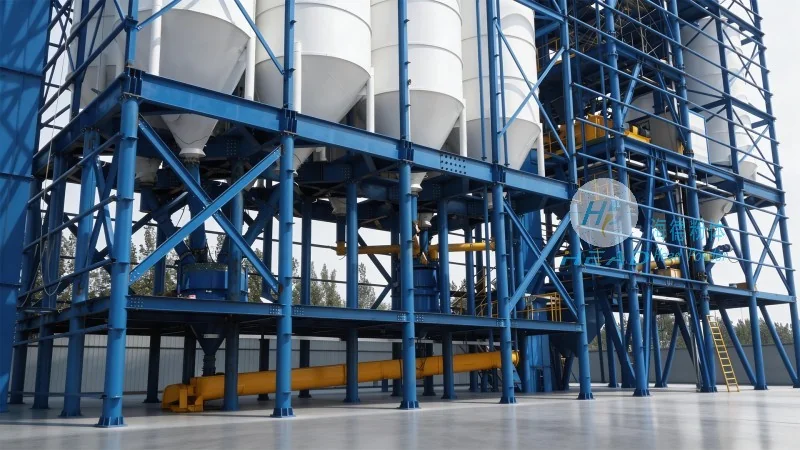
Applications and Benefits of Pneumatic Conveying in Mining
Mine material pneumatic conveying equipment is widely used in various mining applications, from ore processing to material transport in underground mines. In ore processing plants, these systems are employed to move raw ores from storage bins to crushers or grinding mills, reducing the need for manual handling and improving safety. In underground mines, pneumatic conveying is used to transport materials such as rock dust or ore from the working face to the surface, eliminating the need for heavy machinery and reducing the risk of accidents. The equipment is also utilized in tailings management, where it helps transport tailings to disposal sites or reclamation areas. The benefits of using pneumatic conveying systems in mining operations are significant. Firstly, they offer a high degree of flexibility, allowing materials to be transported over long distances and around obstacles. This flexibility is particularly valuable in complex mining layouts where traditional conveyors may not be feasible. Secondly, pneumatic systems provide improved safety by reducing the need for workers to handle heavy or hazardous materials. The enclosed pipeline design minimizes dust exposure and eliminates the risk of material spills or falls. Thirdly, these systems enhance operational efficiency by automating the material handling process, reducing labor costs and increasing throughput. The ability to control the flow rate and pressure allows for precise material delivery, ensuring that processing equipment operates at optimal levels. Finally, pneumatic conveying equipment is more environmentally friendly compared to traditional methods, as it reduces the generation of dust and minimizes the impact on the surrounding environment. Overall, the adoption of mine material pneumatic conveying equipment has become essential for modern mining operations, offering a reliable and efficient solution for material transport.
Conclusion and Company Overview
As a leading manufacturer in the field, Shandong HeadPowder Engineering Co., Ltd. specializes in the design and production of high-quality mine material pneumatic conveying equipment. With a focus on innovation and customer satisfaction, our company provides tailored solutions that meet the specific needs of mining operations. Our equipment is engineered to deliver reliable performance, durability, and efficiency, ensuring that mining facilities can operate at their best. By adhering to the core design principles of pneumatic conveying, our systems offer a cost-effective and safe solution for material handling. Whether for ore processing, underground mining, or tailings management, our pneumatic conveying equipment is designed to enhance productivity and safety in the mining industry. Based in Shandong, China, we are committed to providing top-tier engineering solutions that meet the evolving demands of the mining sector. For more information about our products and services, please contact us.