With more than 10‑year industry experience, Shandong Headpowder delivers full‑service pneumatic‑conveying systems and blowers, undertaking nationwide turn‑key powder‑handling projects.
Ammonium chloride, a widely used chemical compound, is often handled in bulk quantities through pneumatic conveying systems. The operation of a specialized line designed for this purpose involves a series of precise steps and mechanisms that ensure efficient and safe material transport. This article delves into the operational process and underlying principles of an ammonium chloride powder pneumatic conveying line, highlighting key components, control strategies, and practical considerations for optimal performance.
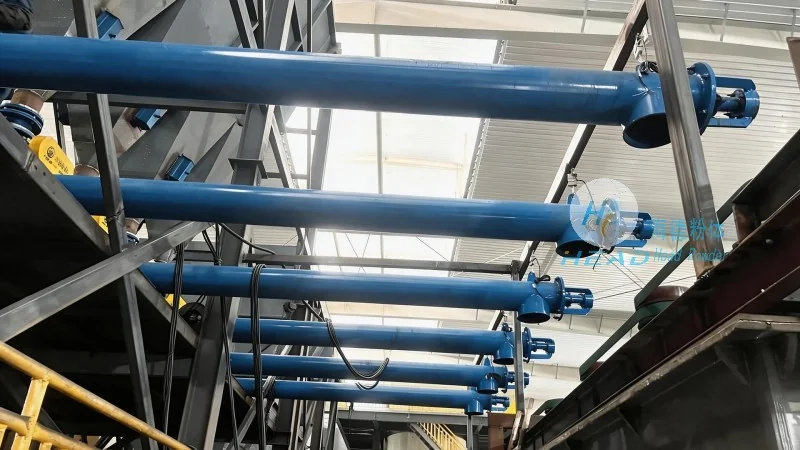
The system comprises several critical components that work in tandem to achieve reliable material handling. The primary elements include a hopper for material storage, a feeder to control the flow rate, a conveying pipeline, a pressure vessel or receiver, and a dust collection system. Each component plays a vital role in maintaining the integrity of the ammonium chloride powder and ensuring smooth operation.
The operational process begins with the loading of ammonium chloride into the storage hopper. The feeder then regulates the discharge rate, ensuring a consistent flow of powder into the conveying pipeline. Compressed air, typically supplied by a blower or compressor, is introduced at one end of the pipeline, creating a pressure differential that propels the powder particles forward. As the powder travels through the pipeline, it is suspended by the air stream, moving towards the receiver or destination point. The receiver collects the conveyed material, while the air is filtered and recycled back into the system to minimize waste and environmental impact.
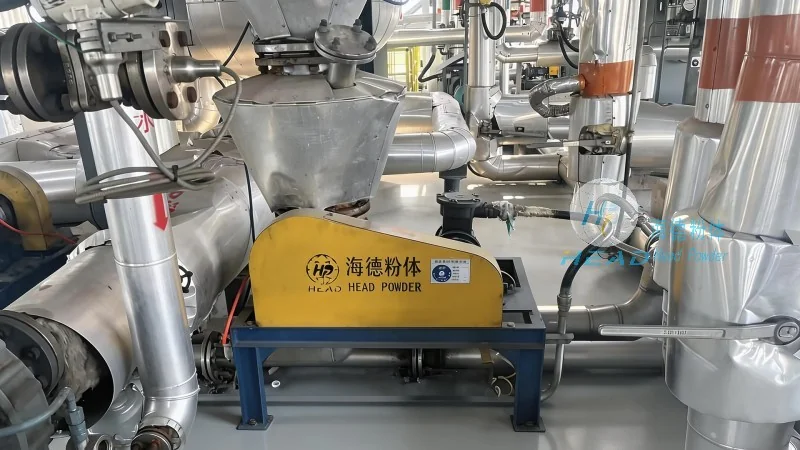
The core principle of pneumatic conveying is the use of air as a medium to transport solid particles. In the case of ammonium chloride, the system relies on the drag force generated by the air flow to lift and move the powder. The velocity of the air stream must be sufficient to overcome the gravitational forces acting on the particles, ensuring they remain suspended and transported efficiently. The pressure differential created by the compressed air provides the necessary energy to move the material through the pipeline. Proper design of the pipeline diameter, air velocity, and pressure levels is crucial to prevent blockages, ensure consistent flow, and maintain system efficiency.
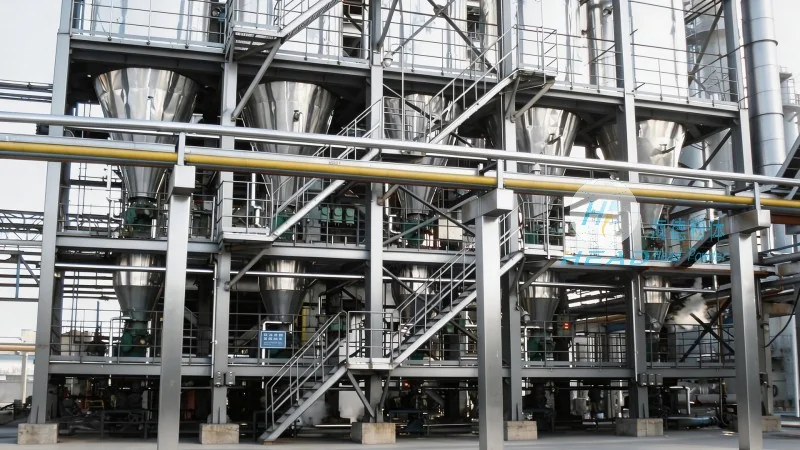
Modern ammonium chloride pneumatic conveying lines are equipped with advanced control and monitoring systems to optimize performance and ensure safety. These systems typically include sensors for pressure, flow rate, and temperature, as well as control valves and variable frequency drives (VFDs) to adjust air flow and material feed rates. Real-time monitoring allows operators to detect anomalies, such as pressure drops or flow irregularities, and take corrective actions promptly. Additionally, the systems may incorporate safety features like explosion-proof designs and emergency shut-off mechanisms to protect personnel and equipment from potential hazards associated with handling ammonium chloride.
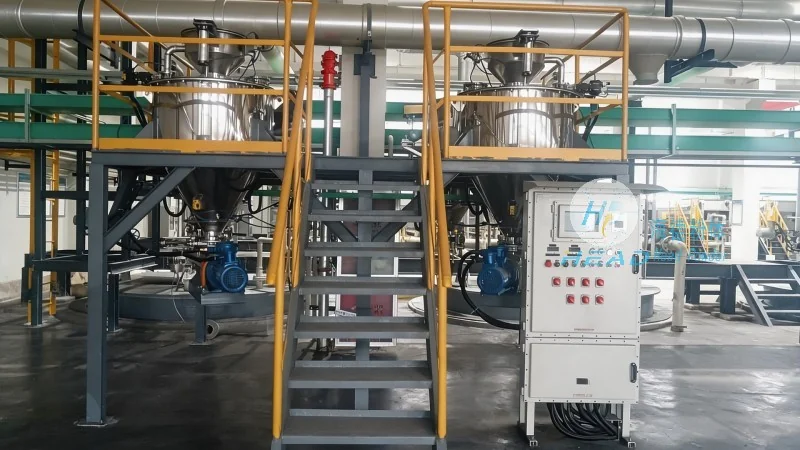
Regular maintenance is essential to ensure the long-term reliability and efficiency of the pneumatic conveying line. This includes cleaning the hopper and feeder to prevent material buildup, inspecting the pipeline for blockages or wear, and checking the performance of the air compressor and filtration system. Proper maintenance schedules, as recommended by the manufacturer, help to minimize downtime and extend the service life of the equipment. Operational considerations also include the selection of appropriate air pressure and flow rates based on the characteristics of the ammonium chloride powder, such as particle size, moisture content, and bulk density. Adjusting these parameters as needed can improve system performance and reduce energy consumption.
Shandong HeadPowder Engineering Co., Ltd., operating under the brand name headpowder, is a leading provider of specialized equipment and systems for bulk material handling. With a focus on innovation and quality, the company designs and manufactures pneumatic conveying solutions tailored to the specific needs of industries handling ammonium chloride and other chemical powders. Headpowder's expertise in material flow technology ensures that their systems are efficient, reliable, and safe, meeting the highest industry standards. The company's commitment to customer satisfaction and technical support has established it as a trusted partner in the chemical processing sector, particularly in regions like China where bulk material handling is critical for industrial operations.

 Shandong Headpowder Engineering Co., Ltd.
 156-6277-7102(Manager Zhang)
  0531-83386006
  Zhangqiu District, Jinan City, Shandong Province, China
telephone
WeChatconsult
top