With more than 10‑year industry experience, Shandong Headpowder delivers full‑service pneumatic‑conveying systems and blowers, undertaking nationwide turn‑key powder‑handling projects.
Silica fume, also known as microsilica, is a byproduct of silicon metal or ferrosilicon production, characterized by its extremely fine particles and high surface area. This material is widely used in concrete, mortar, and other construction materials due to its ability to enhance strength, reduce permeability, and improve durability. However, the handling of silica fume presents unique challenges, particularly when it comes to material transport. Pneumatic conveying is a common method for moving such fine powders, offering advantages over traditional bulk handling techniques.
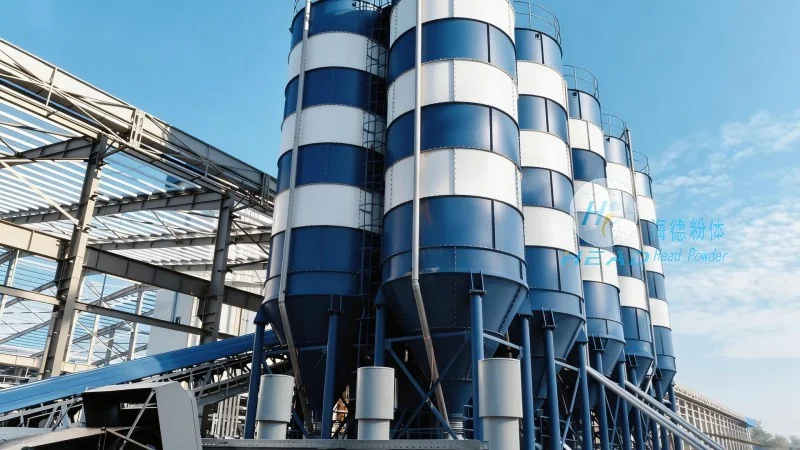
Pneumatic conveying, or air conveying, is a process that uses pressurized air or suction to transport bulk materials through a pipeline. For silica fume, which is a fine, cohesive powder, this method is particularly effective. Unlike mechanical conveying systems that rely on belts or screws, pneumatic systems can handle materials that are difficult to move due to their fine particle size and tendency to agglomerate. The primary goal of pneumatic conveying for silica fume is to transport the material from a storage silo or hopper to a processing unit, such as a mixer or a storage tank, with minimal loss and maximum efficiency.
Silica fume consists of amorphous silicon dioxide (SiO₂) particles with an average diameter of 0.1 to 0.2 micrometers. This extremely fine particle size contributes to its high surface area, which is crucial for its performance in concrete. The material is typically stored in bulk form and requires specialized handling to prevent dust generation and maintain material integrity. Silica fume is hygroscopic, meaning it can absorb moisture from the air, which can affect its handling characteristics and performance in applications. Therefore, controlling the environment during storage and transport is essential to ensure consistent quality.
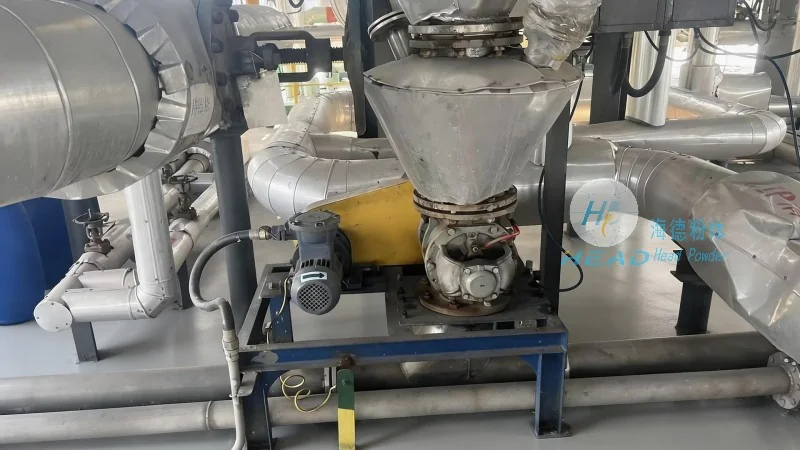
Pneumatic conveying systems for silica fume can be categorized into two main types: suction (or vacuum) systems and pressure systems. Suction systems use a vacuum to draw material from a source, while pressure systems use compressed air to push material through the pipeline. The choice between the two depends on factors such as the distance to be covered, the height of the transfer, and the required flow rate. Suction systems are generally more suitable for short distances and low flow rates, while pressure systems are better for longer distances and higher flow rates. Both systems consist of several key components, including a material feeder, a conveying line, a separator, and a dust collection system.
The design of a pneumatic conveying system for silica fume must consider several critical factors to ensure optimal performance and efficiency. The first is the selection of the appropriate conveying method, as mentioned above. The second is the determination of the air-to-solid ratio (A/S ratio), which is the ratio of the volume of air to the volume of material being conveyed. The A/S ratio is a key parameter that affects the velocity of the material in the pipeline and the pressure drop across the system. For silica fume, an optimal A/S ratio is typically between 5:1 and 10:1, depending on the system configuration and the material properties. Another important design consideration is the pipe diameter and material. Larger diameter pipes reduce pressure drop and improve flow, but they also increase the cost and space requirements. The choice of pipe material is also critical, as silica fume is abrasive and can cause wear on the pipeline. Stainless steel or special alloys are commonly used to minimize wear and maintain system integrity.
Several components are essential for the successful operation of a silica fume pneumatic conveying system. The material feeder is responsible for introducing the silica fume into the conveying line at a controlled rate. For fine powders like silica fume, rotary valves or screw feeders are commonly used to ensure a consistent flow and prevent blockages. The conveying line is the main pipeline through which the material and air travel. It is typically made of stainless steel or plastic and is designed to withstand the pressure and abrasion from the material. The separator is a critical component that separates the material from the air at the end of the conveying line. This is typically done using a cyclone separator, which uses centrifugal force to separate the fine particles from the air stream. The separated material is then collected in a hopper or storage tank, while the air is filtered and discharged to the atmosphere. Finally, a dust collection system is used to capture any fine particles that may escape from the separator, ensuring compliance with environmental regulations and maintaining a clean working environment.
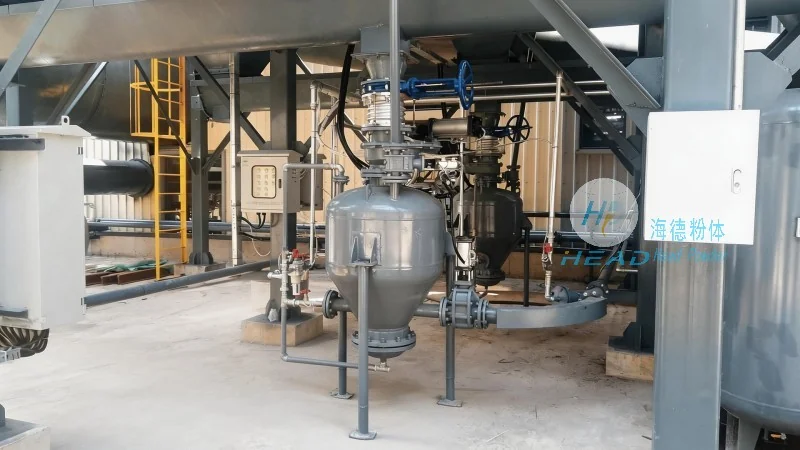
When implementing a pneumatic conveying system for silica fume, several best practices should be followed to maximize efficiency and minimize downtime. Regular maintenance is essential, as the system components are subject to wear and tear from the abrasive material. This includes inspecting and replacing worn parts, such as seals and bearings, and cleaning the system to prevent buildup of material. Proper sizing of the system components is also important to ensure that the system operates within its design parameters. Overloading the system can lead to increased pressure drop and reduced flow, while underloading can result in inefficient use of energy. Monitoring the system performance, such as flow rate and pressure drop, can help identify potential issues before they become major problems. Additionally, considering the environmental impact of the system is important, as silica fume is a fine powder that can contribute to air pollution if not handled properly. Implementing dust collection systems and ensuring proper ventilation can help mitigate these environmental concerns.
Shandong HeadPowder Engineering Co., Ltd., commonly known as HeadPowder, is a leading provider of engineering solutions for the handling and processing of fine powders, including silica fume. With years of experience in the industry, HeadPowder specializes in the design, manufacturing, and installation of pneumatic conveying systems tailored to the specific needs of its clients. The company's team of engineers and technicians work closely with clients to understand their material handling requirements and develop customized solutions that meet their performance and budget constraints. HeadPowder's commitment to quality and innovation has made it a trusted partner for many companies in the construction and industrial sectors. The company's headquarters is located in Shandong, China, where it operates a state-of-the-art facility for research, development, and manufacturing. HeadPowder's expertise in pneumatic conveying systems for silica fume has helped many clients improve their material handling efficiency, reduce costs, and enhance product quality. By leveraging its knowledge and experience, HeadPowder continues to provide reliable and effective solutions for the challenges of handling fine powders like silica fume.

 Shandong Headpowder Engineering Co., Ltd.
 156-6277-7102(Manager Zhang)
  0531-83386006
  Zhangqiu District, Jinan City, Shandong Province, China
telephone
WeChatconsult
top