With more than 10‑year industry experience, Shandong Headpowder delivers full‑service pneumatic‑conveying systems and blowers, undertaking nationwide turn‑key powder‑handling projects.
When it comes to efficiently handling oat materials, pneumatic conveying systems offer a reliable and effective solution. This technology involves transporting bulk materials like oats through a pipeline using air or gas as the conveying medium. Understanding the fundamentals of oat material pneumatic conveying, along with its design principles, is crucial for optimizing material handling processes in agricultural and food processing industries.
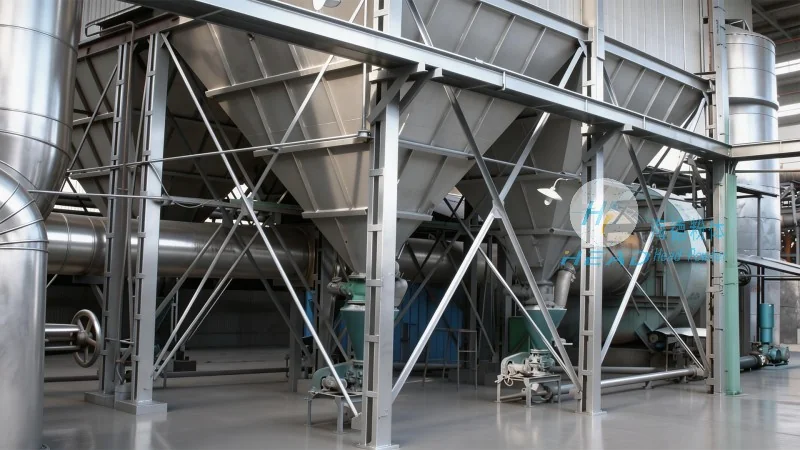
Oat material pneumatic conveying is a method of transporting oats and other bulk agricultural products through a closed pipeline system using air pressure. Unlike traditional mechanical conveying methods, which rely on belts or screws, pneumatic systems use air to move the material. This approach is particularly suitable for oats due to their lightweight nature and the need to maintain product integrity during transport. The system typically includes components such as a material feeder, a conveying line, a separator, and a receiver. The feeder introduces the oats into the pipeline, while the air flow propels them to the destination. The separator then separates the air from the material, ensuring that the oats are delivered in a clean and controlled manner.
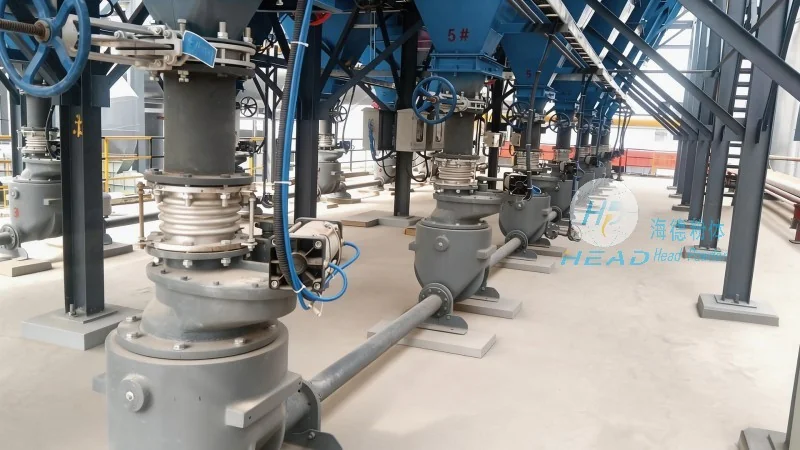
At the core of any oat material pneumatic conveying system are several key components that work together to ensure efficient operation. The first component is the material feeder, which can be a rotary valve, a star feeder, or a pressure feeder, depending on the specific requirements of the oat material. This feeder ensures a consistent flow of oats into the conveying line. The conveying line itself is usually made of metal or plastic, with diameters ranging from a few inches to several feet, depending on the volume of material being transported. The air used in the system is typically compressed and directed through the line at a specific velocity to maintain the material in suspension. A separator, often a cyclone or a bag filter, is used to separate the oats from the air stream, preventing dust and particles from escaping into the environment. Finally, the receiver stores the transported oats until they are ready for further processing or packaging.
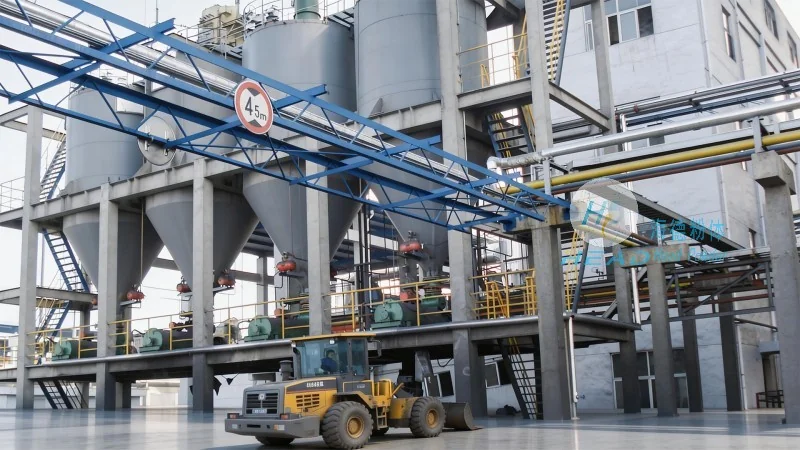
The design of an oat material pneumatic conveying system must consider several critical factors to ensure optimal performance and efficiency. One of the primary design principles is the selection of the appropriate conveying velocity. The velocity must be high enough to keep the oats in suspension but low enough to prevent excessive wear on the system components. This velocity is typically determined based on the particle size, density, and flow characteristics of the oat material. Another important design principle is the pressure and flow rate of the air. The system must be designed to maintain a consistent pressure and flow rate to avoid clogging or uneven material distribution. The pipeline layout is also a critical design consideration, as it affects the overall efficiency and energy consumption of the system. Properly designed pipelines minimize pressure losses and ensure smooth material flow. Additionally, the system must be equipped with appropriate safety features, such as pressure relief valves and dust collection systems, to protect both the equipment and the environment.
Implementing a pneumatic conveying system for oat material handling offers several advantages over traditional methods. One of the main benefits is the ability to maintain product integrity. Unlike mechanical conveyors, which can cause abrasion or damage to the oats, pneumatic systems use air to transport the material, reducing the risk of contamination or degradation. Another advantage is the flexibility of the system. Pneumatic conveying can be easily integrated into existing production lines and can handle varying volumes of material without significant adjustments. The system also allows for the transportation of oats over long distances, making it suitable for large-scale agricultural operations. Furthermore, pneumatic systems are generally more energy-efficient than mechanical conveyors, as they can use less power to transport the same amount of material. This makes them a cost-effective solution for oat material handling in the food processing industry.
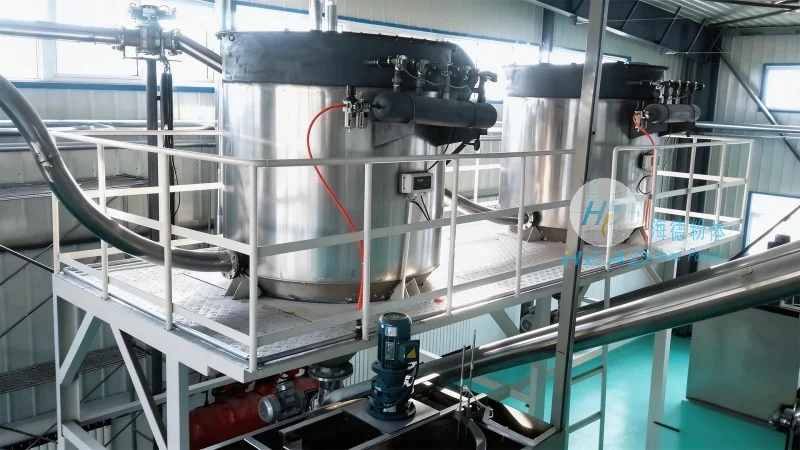
Oat material pneumatic conveying is a sophisticated and efficient method of transporting bulk agricultural products. By understanding the design principles and key components of such a system, manufacturers can optimize their material handling processes, ensuring product quality and operational efficiency. Companies like Shandong HeadPowder Engineering Co., Ltd. specialize in designing and manufacturing these systems, providing tailored solutions for the oat industry. With their expertise and commitment to quality, they help businesses in the agricultural and food processing sectors improve their productivity and maintain high standards of product integrity.

 Shandong Headpowder Engineering Co., Ltd.
 156-6277-7102(Manager Zhang)
  0531-83386006
  Zhangqiu District, Jinan City, Shandong Province, China
telephone
WeChatconsult
top