With more than 10‑year industry experience, Shandong Headpowder delivers full‑service pneumatic‑conveying systems and blowers, undertaking nationwide turn‑key powder‑handling projects.
Thermoplastic polyurethane (TPU) is widely used in various industrial applications due to its excellent flexibility, abrasion resistance, and chemical stability. When it comes to transporting TPU materials, several methods are available, each with its own set of advantages and limitations. This article explores common TPU conveying methods and highlights the superior features of HeadPowder's thermoplastic polyurethane pneumatic conveying systems, a product line from Shandong HeadPowder Engineering Co., Ltd., based in China.
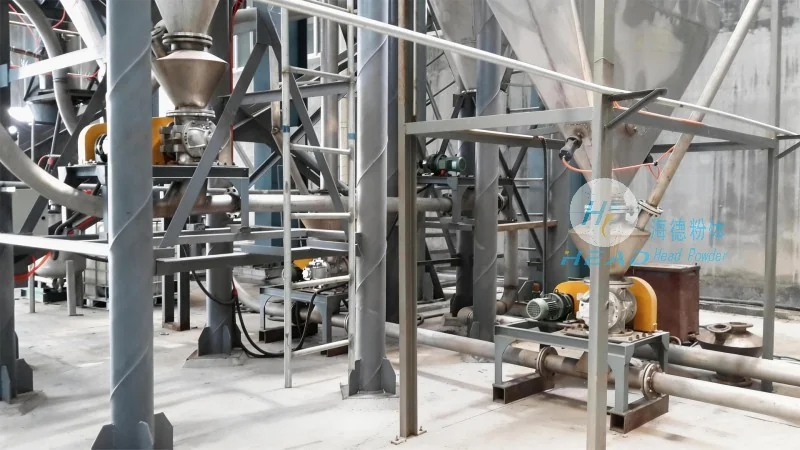
Before delving into the specifics of HeadPowder's solutions, it's essential to understand the primary methods used for TPU material transport. The most common approaches include mechanical conveying, such as screw conveyors and belt conveyors, and pneumatic conveying, which utilizes air or gas to move materials. Each method has distinct characteristics that make it suitable for different scenarios.
1. **Mechanical Conveying Systems**: Mechanical conveyors like screw conveyors and belt conveyors are widely used for TPU transport. These systems rely on mechanical force to move materials through a closed or open channel. Screw conveyors are particularly effective for handling bulk TPU powders or granules, as they can transport materials vertically or horizontally with minimal maintenance. Belt conveyors, on the other hand, are ideal for transporting larger TPU particles or pellets, providing a continuous and efficient flow. However, mechanical conveyors may face challenges with abrasive TPU materials, leading to increased wear and tear on components over time.
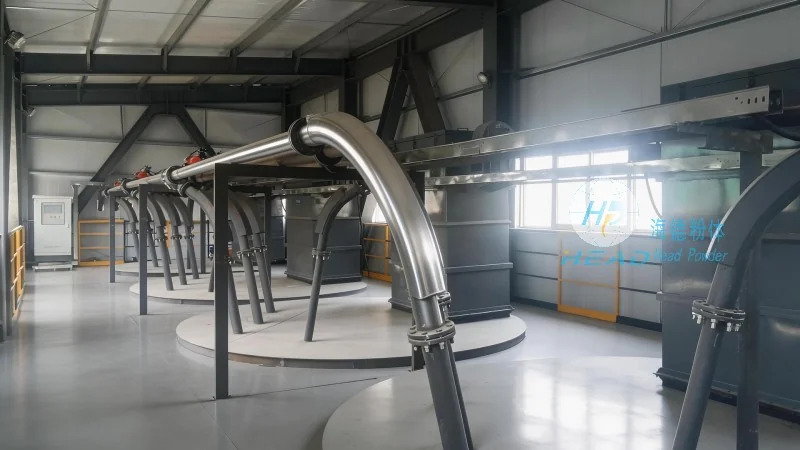
2. **Pneumatic Conveying Systems**: Pneumatic conveying, also known as air or gas conveying, uses compressed air to transport TPU materials through a pipeline. This method is particularly suitable for fine powders or granules that are difficult to handle with mechanical systems. Pneumatic conveyors can be classified into two main types: pressure and vacuum systems. Pressure systems use compressed air to push materials forward, while vacuum systems use suction to draw materials into the pipeline. Pneumatic conveying offers advantages such as high material handling capacity, flexibility in layout, and reduced risk of material contamination compared to mechanical systems.
HeadPowder, a leading manufacturer of industrial conveying equipment, specializes in providing advanced thermoplastic polyurethane pneumatic conveying solutions. The company's systems are designed to address the unique challenges of TPU material transport, offering several key advantages that set them apart from traditional methods.
Firstly, HeadPowder's systems utilize high-quality thermoplastic polyurethane components, which are specifically engineered to withstand the abrasive and chemical properties of TPU materials. The TPU materials used in the conveying components, such as hoses, pipes, and valves, are resistant to wear and tear, ensuring long service life and minimal maintenance. This reduces downtime and operational costs for industrial facilities.
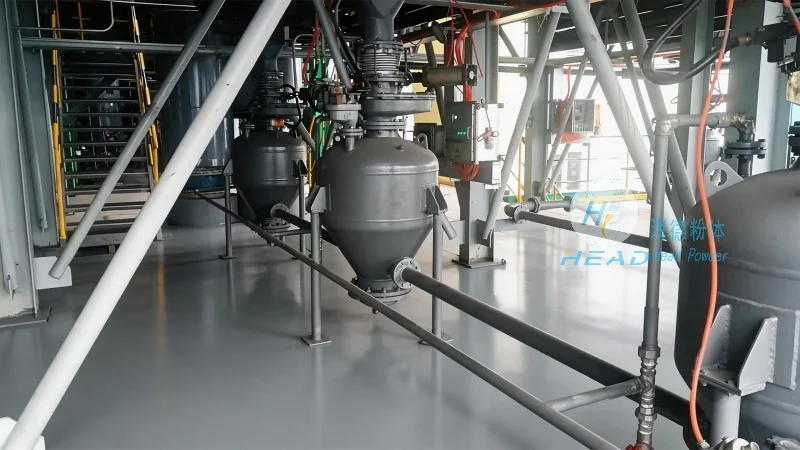
Secondly, the pneumatic conveying systems from HeadPowder are highly efficient in terms of energy consumption. By optimizing the air flow and pressure, the systems minimize energy waste while maintaining optimal material transport rates. This efficiency not only reduces operational costs but also contributes to a more sustainable industrial operation.
Thirdly, HeadPowder's solutions offer exceptional flexibility in system design and layout. The modular nature of the pneumatic conveying systems allows for easy integration into existing industrial setups or new installations. This flexibility enables manufacturers to adapt the conveying system to their specific production requirements, whether it's for small-scale or large-scale TPU processing.
Fourthly, the company's systems are equipped with advanced control and monitoring features. Modern pneumatic conveying systems from HeadPowder include sensors and control panels that allow for real-time monitoring of material flow, pressure, and air consumption. This enables operators to quickly identify and address any issues, ensuring smooth and reliable operation. The advanced control features also enhance safety by preventing over-pressurization or other potential hazards.
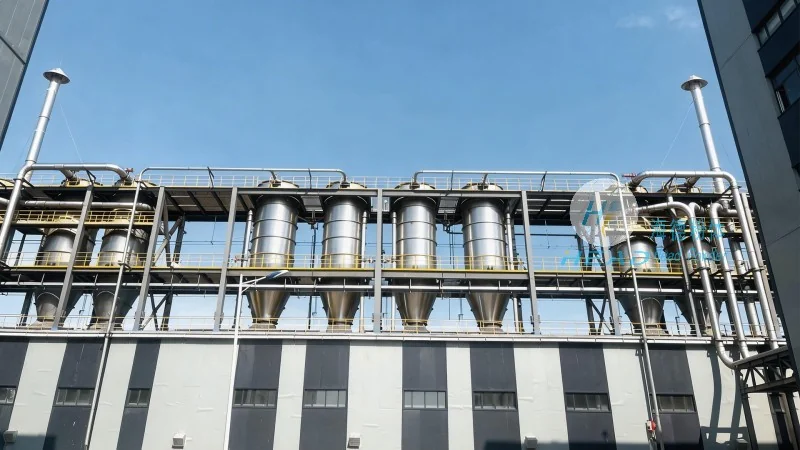
HeadPowder's thermoplastic polyurethane pneumatic conveying systems are equipped with several key features that enhance their performance and reliability. These features include:
When it comes to transporting thermoplastic polyurethane materials, choosing the right conveying method is crucial for maintaining efficiency and minimizing operational costs. While mechanical conveying systems have their place, pneumatic conveying offers superior advantages, especially for fine TPU powders and granules. HeadPowder's thermoplastic polyurethane pneumatic conveying systems provide a reliable, efficient, and cost-effective solution that addresses the unique challenges of TPU material transport. With their high-quality TPU components, energy-efficient design, flexible layout, and advanced monitoring features, HeadPowder's systems are an excellent choice for industrial facilities seeking to optimize their TPU processing operations.

 Shandong Headpowder Engineering Co., Ltd.
 156-6277-7102(Manager Zhang)
  0531-83386006
  Zhangqiu District, Jinan City, Shandong Province, China
telephone
WeChatconsult
top