

What is a Lithium Iron Carbonate Powder Pneumatic Conveying Machine? What is its Design Principle?
Lithium iron carbonate (LiFeCO₃) is a critical raw material in the production of lithium-ion batteries, widely used in electric vehicles, renewable energy storage systems, and portable electronics. The efficient and reliable transport of this fine powder is essential for maintaining production line efficiency and product quality. A pneumatic conveying machine, specifically designed for handling LiFeCO₃ powder, addresses these needs by providing a closed-loop system that minimizes dust exposure and ensures consistent material flow. This article explores the fundamental aspects of such a machine, including its design principles and operational benefits.
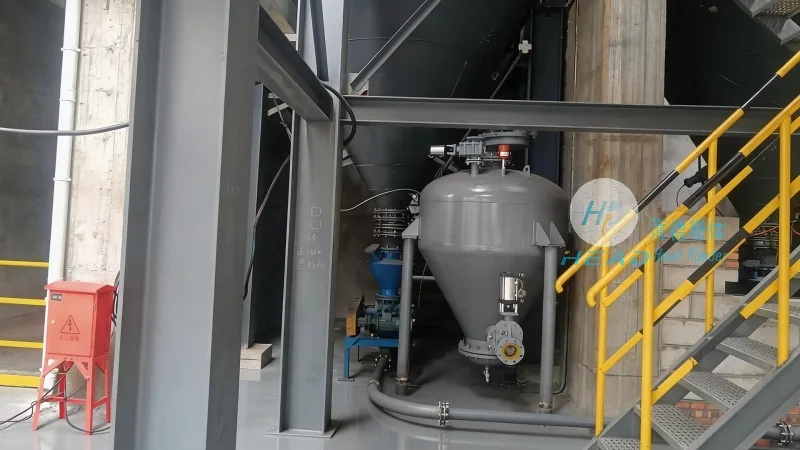
Understanding the Components of a LiFeCO₃ Powder Pneumatic Conveying System
The core components of a LiFeCO₃ powder pneumatic conveying machine typically include a hopper for material storage, a feeder to control the flow rate, a conveying line (often with multiple sections), a receiver for the discharged material, and a vacuum or pressure system to move the powder. The hopper is designed with a smooth interior to prevent material buildup and ensure uniform feeding. The feeder, usually a rotary valve or a screw feeder, regulates the amount of powder entering the conveying line, which is crucial for maintaining stable pressure and flow rates. The conveying line may consist of straight sections, bends, and expansion joints to accommodate the layout of the production facility. The receiver, often equipped with a filter system, collects the conveyed powder and separates any entrained air. The vacuum or pressure system, driven by a fan or blower, creates the necessary differential pressure to move the powder through the system.
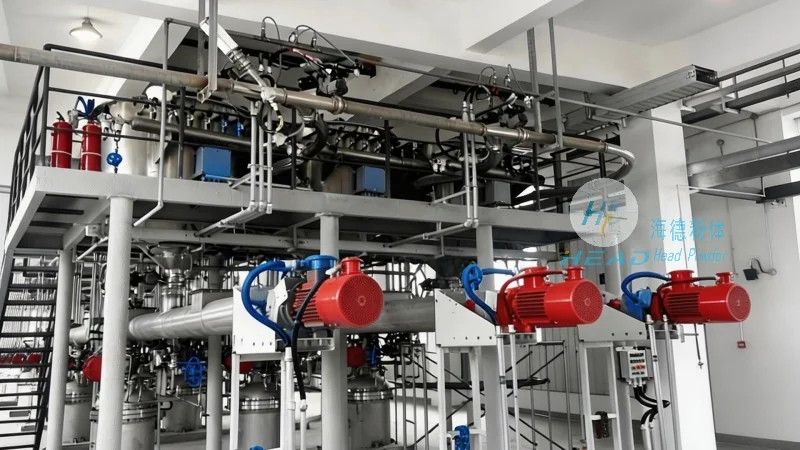
Design Principles for Efficient LiFeCO₃ Powder Handling
Designing a pneumatic conveying system for LiFeCO₃ powder requires careful consideration of several key principles to ensure optimal performance. First, the system must maintain a consistent particle size distribution and avoid agglomeration, as larger particles can cause blockages and reduce conveying efficiency. The use of appropriate hopper and feeder designs, such as a conical hopper with a low angle of repose, helps prevent material bridging and ensures smooth flow. Second, the conveying velocity must be optimized to prevent particle degradation or loss of material properties. Excessive velocity can cause erosion of the conveying line and increase energy consumption, while insufficient velocity may lead to clogging. The system design typically involves calculating the required velocity based on the powder's bulk density, particle size, and the length of the conveying line. Third, the system must incorporate dust control measures to comply with environmental regulations and protect personnel. This includes the use of high-efficiency particulate air (HEPA) filters in the receiver and the implementation of sealed connections throughout the system. Additionally, the design should minimize pressure drops to reduce energy consumption and improve overall system efficiency.
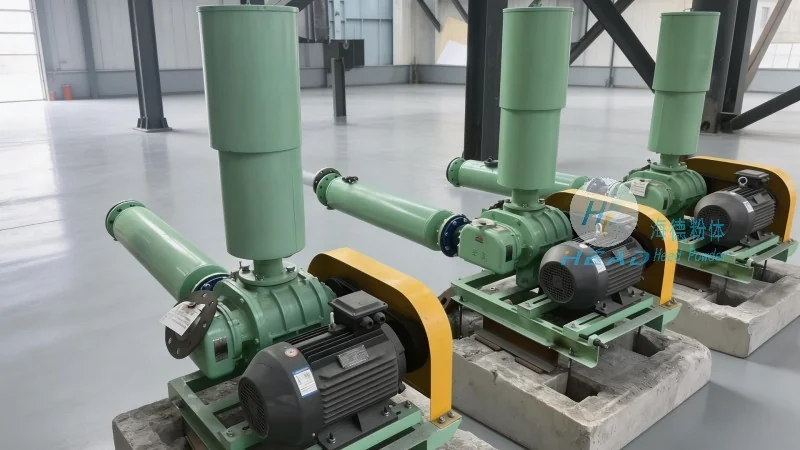
Operational Benefits and Applications
Implementing a LiFeCO₃ powder pneumatic conveying machine offers several operational benefits for manufacturers. The closed-loop system eliminates the need for manual handling, reducing the risk of dust exposure and improving workplace safety. It also ensures a consistent and continuous material flow, which is critical for maintaining production line throughput and reducing downtime. The system's ability to handle fine powders without segregation or loss of material properties is particularly valuable in battery production, where the purity and uniformity of LiFeCO₃ are essential for battery performance. Furthermore, the compact design of modern pneumatic conveying systems allows for integration into existing production facilities, minimizing the need for extensive modifications. These benefits make LiFeCO₃ powder pneumatic conveying machines a preferred choice for manufacturers seeking to enhance their production efficiency and product quality.
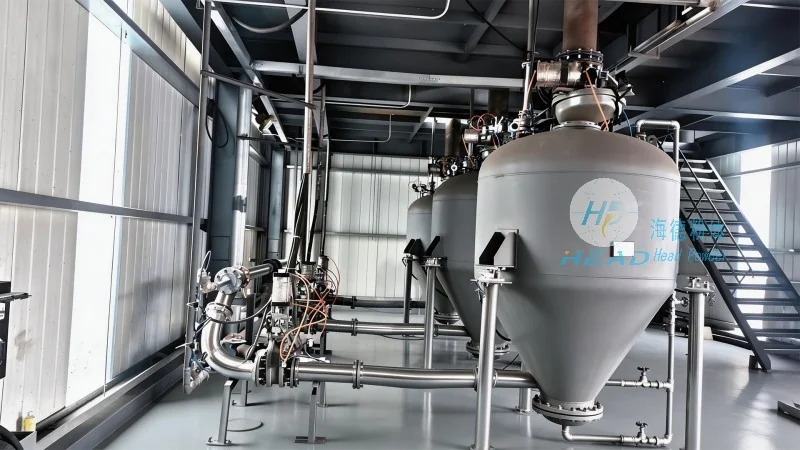
Conclusion and Company Overview
In conclusion, a LiFeCO₃ powder pneumatic conveying machine is a specialized equipment designed to efficiently and safely transport lithium iron carbonate powder in industrial settings. Its design principles, including optimized component selection, velocity control, and dust management, ensure reliable operation and minimal material loss. The operational benefits, such as improved safety, consistent flow, and reduced downtime, make it an essential asset for manufacturers in the battery and renewable energy sectors. As a leading provider in this field, Shandong HeadPowder Engineering Co., Ltd. specializes in the design and manufacturing of such systems, leveraging years of experience to deliver high-quality solutions tailored to the specific needs of their clients. With a commitment to innovation and customer satisfaction, HeadPowder continues to advance the technology of powder handling, supporting the growth of the lithium-ion battery industry and contributing to the global transition to sustainable energy solutions.