

What is a Wood Chip Powder Pneumatic Conveying System? And What Are Its Design Principles?
Wood chip powder pneumatic conveying systems are specialized equipment used to transport wood chips and other fine powders through a pipeline using air pressure. These systems are essential in various industrial applications, particularly in the wood processing and biomass energy sectors, where efficient material handling is crucial for productivity and cost-effectiveness. The design of such systems involves a combination of engineering principles and practical considerations to ensure reliable and efficient operation.
Introduction to Wood Chip Powder Pneumatic Conveying
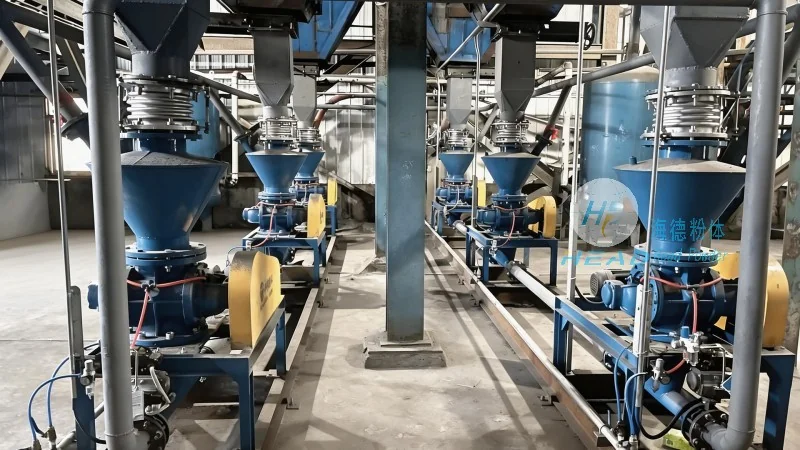
A wood chip powder pneumatic conveying system is a type of pneumatic conveying equipment designed to move wood chips and other particulate materials from one location to another within a processing facility. Unlike traditional mechanical conveyors, which rely on gravity or mechanical components like belts and buckets, pneumatic systems use compressed air or gas to transport materials through a sealed pipeline. This method offers several advantages, including the ability to transport materials over long distances, through vertical or horizontal paths, and even around obstacles, making it highly versatile for complex layouts.
Key Components of a Pneumatic Conveying System
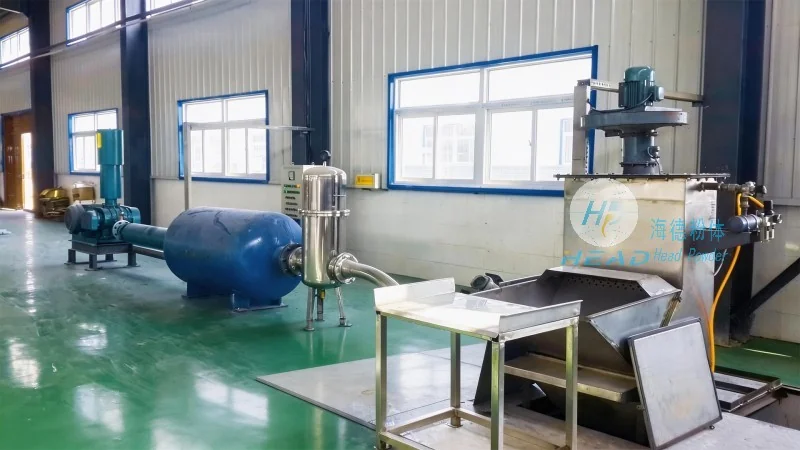
The core components of a wood chip powder pneumatic conveying system typically include a material feeder, a conveying line (often made of stainless steel or other corrosion-resistant materials), a pressure vessel or receiver, and a control system. The material feeder is responsible for feeding the wood chips into the system at a consistent rate, ensuring smooth and continuous operation. The conveying line is where the material is transported under pressure, and its design must consider factors such as material flow rate, pipeline length, and the need for minimal pressure drop. The pressure vessel or receiver is used to collect the conveyed material and may include features like a dust collection system to maintain air quality and prevent contamination. The control system manages the entire operation, regulating air pressure, material flow, and system safety.
Design Principles and Engineering Considerations
The design of a wood chip powder pneumatic conveying system is based on several key principles to ensure optimal performance. One of the primary considerations is the material's properties, such as its particle size, density, and moisture content, as these factors directly impact the system's pressure requirements and flow characteristics. For wood chips, which are often irregularly shaped and have varying moisture levels, the system must be designed to handle these variations without clogging or reducing efficiency. Another critical factor is the system's capacity, which is determined by the required flow rate and the distance the material needs to travel. Engineers must calculate the necessary air velocity and pressure to achieve the desired throughput while minimizing energy consumption. Additionally, the system's layout and integration with other processing equipment are important considerations, as the pipeline must be positioned to avoid obstacles and ensure smooth material transfer.
Advantages of Pneumatic Conveying for Wood Chips
Wood chip powder pneumatic conveying systems offer several advantages over traditional mechanical conveyors. One of the most significant benefits is the ability to transport materials in a closed system, which helps maintain air quality and prevent dust contamination in the processing environment. This is particularly important in wood processing facilities, where dust can be a health hazard and cause equipment damage. Additionally, pneumatic systems can handle materials that are difficult to convey mechanically, such as fine powders or irregularly shaped particles, without the risk of clogging or material degradation. The closed pipeline also reduces the risk of material spillage and environmental contamination, making it more environmentally friendly. Furthermore, pneumatic systems can be easily integrated with other processing equipment, such as grinders, dryers, and pelletizers, to form a complete production line, improving overall efficiency and reducing labor costs.
Applications in the Wood Processing Industry
Wood chip powder pneumatic conveying systems are widely used in various applications within the wood processing industry. One common application is the transport of wood chips from storage silos or hoppers to processing equipment, such as grinders or dryers. This allows for a continuous and efficient supply of raw material to the production line, reducing downtime and improving productivity. Another application is the transfer of wood chips between different processing stages, such as from a dryer to a pelletizer or from a storage area to a shipping facility. Pneumatic systems are also used in biomass energy plants, where wood chips are transported to boilers or gasifiers for energy production. In these applications, the system must be designed to handle large volumes of material and maintain consistent pressure to ensure reliable operation.
Customization and Scalability
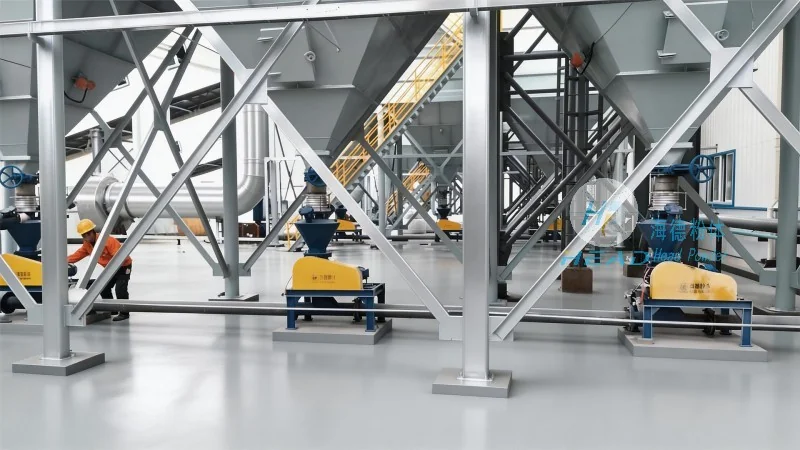
Shandong HeadPowder Engineering Co., Ltd., a leading manufacturer of pneumatic conveying systems, offers customized solutions tailored to the specific needs of wood processing facilities. The company, known as HeadPowder, specializes in designing and manufacturing high-quality wood chip powder pneumatic conveying systems that meet the unique requirements of each client. The company's engineers work closely with clients to understand their production processes, material characteristics, and operational goals, ensuring that the final system is optimized for performance and efficiency. HeadPowder's systems are scalable, meaning they can be designed to handle small or large volumes of material, and can be integrated with existing equipment or new production lines. This flexibility allows clients to adapt their systems as their operations grow or change, ensuring long-term investment value.
Maintenance and Operational Considerations
Proper maintenance is essential to ensure the long-term reliability and efficiency of a wood chip powder pneumatic conveying system. Regular maintenance tasks include cleaning the conveying line and components to prevent clogging, checking for leaks in the air system, and inspecting the material feeder and control system for proper operation. HeadPowder provides comprehensive maintenance services and spare parts to support their clients' systems, ensuring that any issues are addressed promptly and efficiently. Operational considerations also include monitoring the system's performance, such as pressure and flow rates, to detect any changes that may indicate a problem. By following proper maintenance procedures and monitoring the system's performance, clients can maximize the lifespan and efficiency of their pneumatic conveying system.
Conclusion
Wood chip powder pneumatic conveying systems are a critical component of modern wood processing and biomass energy operations. By leveraging the principles of pneumatic conveying, these systems offer efficient, reliable, and versatile material handling solutions that improve productivity and reduce costs. With its expertise in designing and manufacturing high-quality systems, Shandong HeadPowder Engineering Co., Ltd. (HeadPowder) provides customized solutions that meet the unique needs of each client, ensuring optimal performance and long-term success. Whether for small-scale or large-scale operations, a wood chip powder pneumatic conveying system is an essential investment for any wood processing facility looking to enhance its material handling capabilities.