

What is a Vacuum Loading Powder Pneumatic Conveying System? What are its Design Principles?
Understanding the Vacuum Loading Powder Pneumatic Conveying System is crucial for industries dealing with bulk powder handling. This system, often referred to as a vacuum pneumatic conveyor, is engineered to efficiently transport dry powders and granules from one location to another using a vacuum-driven mechanism. The technology has become a cornerstone in sectors such as pharmaceuticals, food processing, and chemical manufacturing, where precise and clean material handling is paramount.
Key Components and Working Principle
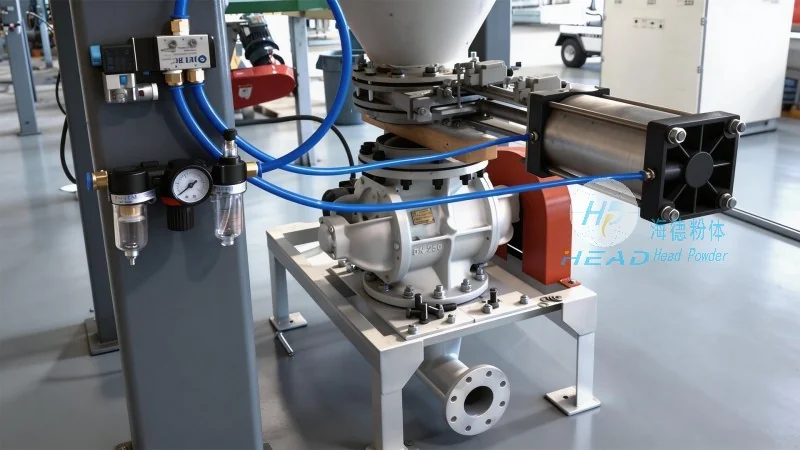
The vacuum loading powder pneumatic conveying system comprises several critical components that work in tandem to achieve efficient material transport. At its core, the system includes a vacuum pump, a hopper or feed inlet, a pipeline network, and a discharge outlet. The vacuum pump creates a negative pressure within the system, drawing the powder from the source into the pipeline. The feed inlet, typically a hopper, holds the material to be conveyed, and as the vacuum is applied, the powder is drawn into the pipeline through an air-powder mixture. The pipeline network transports the mixture to the discharge point, where the powder is separated from the air, often through a cyclone or filter, and the air is either recirculated or vented. This process ensures that the powder is moved with minimal contamination and loss, making it ideal for sensitive materials.
Design Principles for Optimal Performance
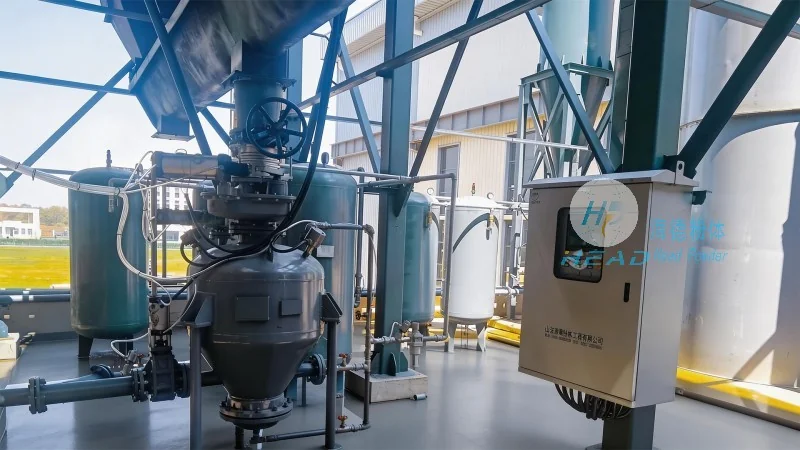
The design of a vacuum loading powder pneumatic conveying system is guided by several key principles to ensure efficiency, reliability, and safety. One of the primary design considerations is the selection of the appropriate vacuum pump. The pump must generate sufficient vacuum to overcome the resistance in the pipeline and the material's resistance to flow. The choice of pump type, such as rotary vane or liquid ring pumps, depends on factors like the material's properties, the required conveying distance, and the system's capacity. Additionally, the pipeline design is critical. The diameter and length of the pipeline, along with the number of bends and fittings, affect the system's performance. Properly sized pipelines minimize pressure drop and ensure smooth material flow. The feed inlet and discharge outlet designs also play a vital role. The hopper or feed inlet must be designed to prevent material bridging or caking, which can impede flow. The discharge outlet, often equipped with a cyclone separator, efficiently separates the powder from the air, preventing dust emissions and ensuring material purity. The system's control mechanisms, including vacuum and pressure sensors, are integrated to monitor and adjust the conveying process in real-time, maintaining optimal performance and preventing system failures.
Applications and Benefits in Industrial Settings
Vacuum loading powder pneumatic conveying systems find extensive applications across various industries due to their versatility and efficiency. In the pharmaceutical industry, these systems are used to transport active pharmaceutical ingredients (APIs) and excipients with high precision, ensuring that the materials remain sterile and free from contamination. The food processing industry benefits from the system's ability to handle food-grade powders, such as spices, flour, and dairy products, while maintaining hygiene standards. In chemical manufacturing, the system is employed to transport reactive powders and granules, where controlling dust and ensuring material integrity is essential. The benefits of using a vacuum loading powder pneumatic conveying system are multifaceted. Firstly, it offers a clean and dust-free conveying method, which is crucial for maintaining product quality and compliance with regulatory standards. Secondly, the system is highly efficient, with low energy consumption compared to other conveying methods like belt conveyors. Thirdly, it provides flexibility in material handling, allowing for vertical, horizontal, or inclined transport, and can handle long distances with minimal maintenance. Lastly, the system is relatively compact, making it suitable for installations with limited space, and it reduces the need for manual handling, enhancing workplace safety.
Company Overview: Shandong HeadPowder Engineering Co., Ltd.
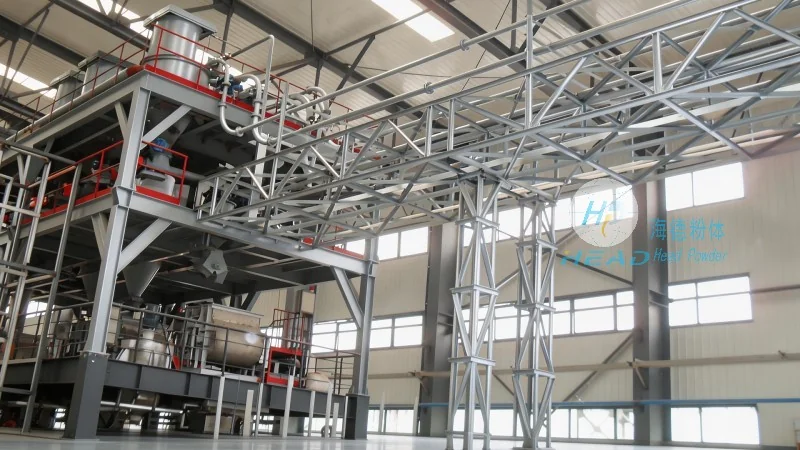
Shandong HeadPowder Engineering Co., Ltd., commonly known as HeadPowder, is a leading manufacturer and supplier of vacuum loading powder pneumatic conveying systems. With a strong presence in China, the company specializes in designing, manufacturing, and installing customized conveying solutions tailored to the specific needs of its clients. HeadPowder's expertise lies in understanding the unique challenges of different industries and providing innovative solutions that enhance operational efficiency and product quality. The company's commitment to quality is evident in its adherence to international standards and rigorous testing protocols for all its products. By leveraging advanced technology and a team of experienced engineers, HeadPowder ensures that its vacuum loading powder pneumatic conveying systems are reliable, durable, and meet the highest industry standards. The company's customer-centric approach and focus on after-sales support have established it as a trusted partner in the bulk material handling industry.