

Gravity Dust Removal and Powdered Material Pneumatic Conveying: Understanding Its Design Principles
Gravity dust removal and powdered material pneumatic conveying is a specialized industrial process designed to handle the transportation of fine particulate materials efficiently. This method leverages the principles of gravity and air flow to separate dust and transport powders, offering a cost-effective solution for various industrial applications. The technology is widely used in sectors such as pharmaceuticals, chemicals, food processing, and mining, where the handling of fine powders requires precision and control.
Design Principles of Gravity Dust Removal Systems
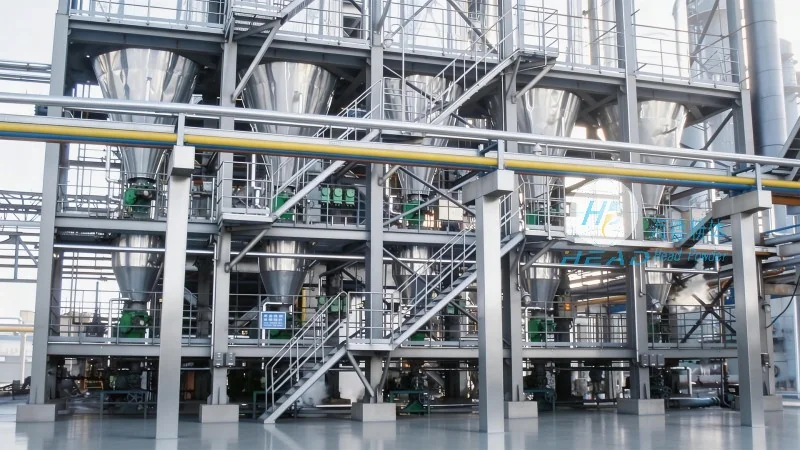
The core design of gravity dust removal systems revolves around the use of gravity to separate dust particles from the air stream while allowing the powdered material to be conveyed through a controlled air flow. The system typically includes components like dust hoppers, air locks, and conveyor lines. The dust hopper collects larger particles and heavier dust, while the air lock ensures a controlled release of material into the conveying line. The design emphasizes the balance between air velocity and particle size to prevent clogging and ensure smooth material flow. The engineering of these systems requires careful consideration of particle size distribution, density, and moisture content, as these factors directly impact the efficiency of dust separation and material transport.
Key Components and Their Functions in Gravity Dust Removal Systems
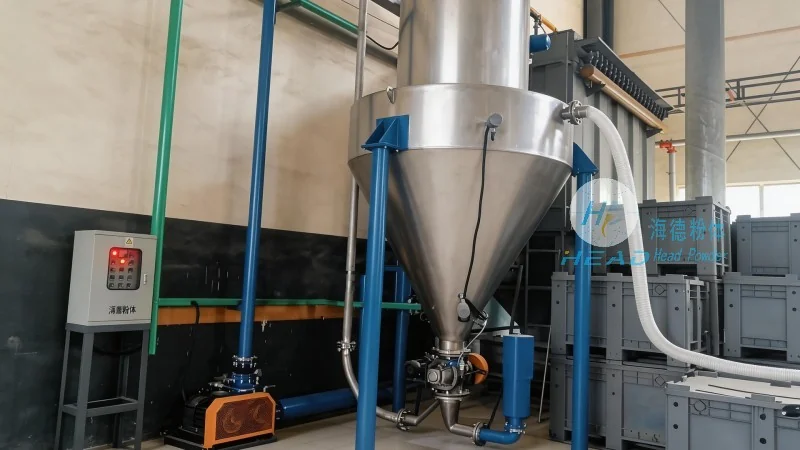
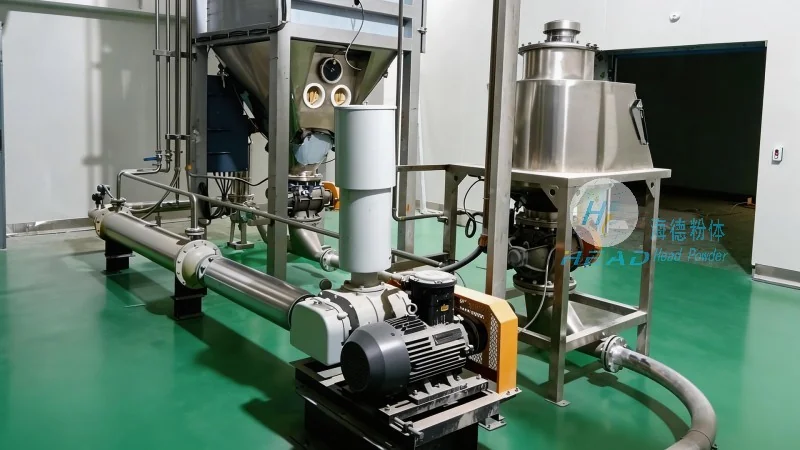
Gravity dust removal systems consist of several critical components that work in tandem to achieve effective dust separation and material conveying. The primary components include the dust hopper, which serves as the collection chamber for dust and larger particles. The hopper is designed with a sloped bottom to facilitate the discharge of material. The air lock, often a rotary or sliding valve, is positioned at the outlet of the hopper to control the release of material into the conveying line, preventing backflow and maintaining a consistent flow rate. The conveying line itself is typically made of materials such as stainless steel or plastic, chosen for their resistance to corrosion and wear from the powdered material. The air supply system, which includes fans and ductwork, provides the necessary air pressure to move the material through the line. The design of each component must be optimized to handle the specific characteristics of the material being processed, such as particle size, density, and moisture content. For example, in applications involving fine powders, the air velocity in the conveying line is carefully controlled to prevent particle agglomeration and ensure smooth transport.
Design Considerations for Optimal Performance
The successful design of gravity dust removal and pneumatic conveying systems depends on several key factors that must be carefully evaluated. First, the particle size distribution of the material is crucial, as it determines the air velocity required for effective transport. Larger particles may require higher air velocities to prevent settling, while smaller particles need lower velocities to avoid excessive pressure drop and energy consumption. The density and specific gravity of the material also play a role, as they affect the settling velocity of particles in the air stream. Moisture content is another critical factor, as high moisture levels can cause the material to clump, leading to blockages in the system. The system's design must account for these variables to ensure reliable operation. Additionally, the system must be designed to handle variations in material feed rate, as fluctuations can impact the efficiency of dust separation and material transport. HeadPowder's engineers use advanced computational fluid dynamics (CFD) and material testing to model and optimize the system's performance, ensuring that the final design meets the client's specific requirements and operational goals.
About Shandong HeadPowder Engineering Co., Ltd.
Shandong HeadPowder Engineering Co., Ltd., commonly known as HeadPowder, is a leading provider of industrial solutions for material handling and dust removal. With a strong presence in China, particularly in Shandong, the company specializes in designing and manufacturing advanced systems for pneumatic conveying and dust control. HeadPowder's expertise lies in customizing solutions to meet the specific needs of clients, ensuring that their systems are not only efficient but also compliant with industry standards and regulations. The company's commitment to quality and innovation has made it a trusted partner for businesses seeking reliable and effective material handling solutions.
HeadPowder's Expertise in Customizing Solutions
Shandong HeadPowder Engineering Co., Ltd. takes a client-centric approach to designing gravity dust removal and pneumatic conveying systems. The company works closely with clients to understand their unique operational challenges and material characteristics. Through detailed consultations and on-site assessments, HeadPowder's engineers develop customized solutions that address specific needs, such as handling hazardous materials, maintaining high purity standards, or minimizing energy consumption. The company's team of experienced engineers and technicians brings a wealth of knowledge in material handling and dust control, enabling them to design systems that are not only efficient but also durable and low-maintenance. HeadPowder's commitment to quality is reflected in its adherence to international standards and rigorous testing protocols. Each system is thoroughly tested before delivery to ensure it meets performance specifications and operational requirements. The company also provides ongoing support and maintenance services to ensure the long-term reliability and effectiveness of its systems.