With more than 10‑year industry experience, Shandong Headpowder delivers full‑service pneumatic‑conveying systems and blowers, undertaking nationwide turn‑key powder‑handling projects.
Synthetic fiber pneumatic conveying is a critical process in industries dealing with lightweight, fine materials. The method of conveying—whether through positive pressure, negative pressure, or a hybrid system—significantly impacts efficiency, material integrity, and operational costs. For companies handling synthetic fibers, selecting the appropriate pneumatic conveying system is essential to ensure smooth production and maintain product quality. This article explores the key differences between positive pressure and negative pressure systems, providing insights to help make an informed decision.
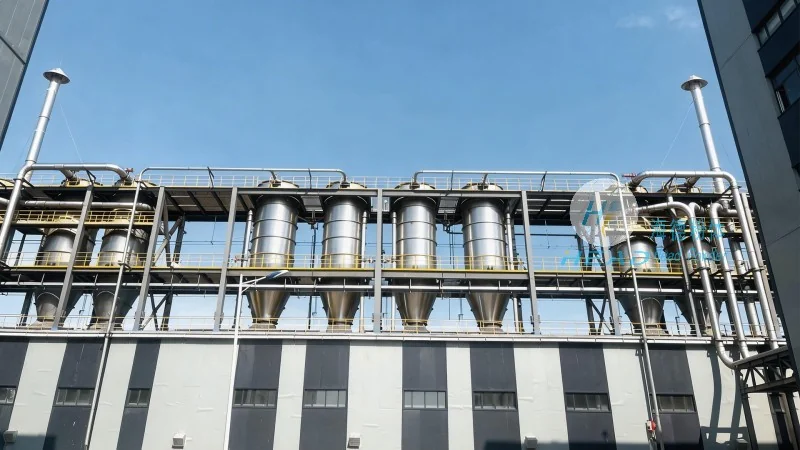
Positive pressure systems operate by blowing air or a carrier gas into the conveying line, propelling material forward. This method is often preferred for applications involving long-distance or complex route conveyance. The primary advantage of positive pressure is its ability to handle longer distances and more intricate pipe networks without significant pressure drops. It is particularly suitable for transporting synthetic fibers that are sensitive to moisture or contamination, as the system can be sealed to maintain a controlled environment. However, positive pressure systems typically require more robust equipment, such as high-capacity blowers and durable pipelines, which can increase initial investment and maintenance costs. Additionally, they may generate more noise and require proper ventilation to manage air emissions.
Negative pressure systems, also known as vacuum systems, work by creating a vacuum in the conveying line to draw material from the source. This approach is ideal for short-distance or localized conveying tasks, where the material is moved from a hopper or collection point to a processing unit. The main benefit of negative pressure is its lower energy consumption compared to positive pressure, as it relies on the vacuum created by a fan or ejector rather than continuous air pressure. It is well-suited for handling fine or dusty synthetic fibers that might be prone to clogging in positive pressure systems. However, negative pressure systems have limitations regarding distance and material flow rate. The vacuum can cause material to stick to the pipe walls, leading to blockages and reduced efficiency over longer distances. They also require careful maintenance to prevent dust accumulation and ensure consistent suction performance.
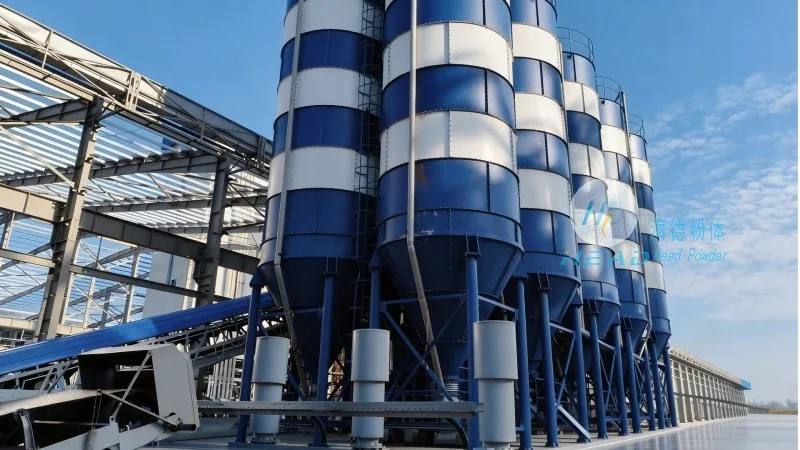
The choice between positive and negative pressure systems for synthetic fiber pneumatic conveying depends on several factors, including the material properties, conveying distance, and operational requirements. Here are key considerations to help differentiate between the two:
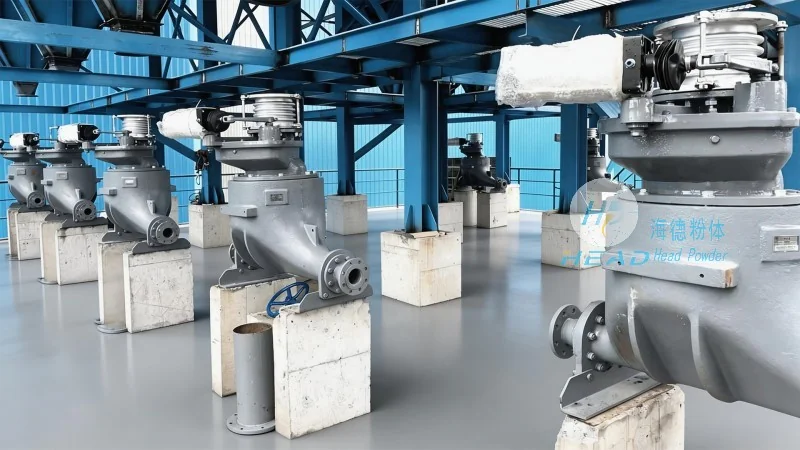
Choosing between positive and negative pressure for synthetic fiber pneumatic conveying requires a thorough evaluation of the specific application's needs. Positive pressure systems excel in long-distance, complex, and high-volume applications, while negative pressure is better suited for short, localized, and energy-efficient tasks. By considering material properties, conveying distance, and operational constraints, companies can select the most appropriate system to ensure optimal performance and cost-effectiveness.
Shandong HeadPowder Engineering Co., Ltd. is a leading provider of pneumatic conveying solutions, specializing in systems tailored for synthetic fibers and other fine materials. With years of experience in the industry, the company offers customized solutions that address the unique challenges of material handling. HeadPowder's expertise includes both positive and negative pressure systems, ensuring clients receive the most suitable technology for their production needs. Based in Shandong, China, HeadPowder is committed to delivering high-quality, reliable equipment and services to enhance operational efficiency and product quality for its clients.

 Shandong Headpowder Engineering Co., Ltd.
 156-6277-7102(Manager Zhang)
  0531-83386006
  Zhangqiu District, Jinan City, Shandong Province, China
telephone
WeChatconsult
top