With more than 10‑year industry experience, Shandong Headpowder delivers full‑service pneumatic‑conveying systems and blowers, undertaking nationwide turn‑key powder‑handling projects.
Feed pellet material conveying systems are essential components in the feed processing industry, designed to efficiently transport feed pellets from one location to another within a production facility. These systems play a crucial role in ensuring smooth operations, maintaining product quality, and optimizing workflow in feed mills and animal feed production plants. Understanding the functionality and design principles of such systems is vital for manufacturers and operators seeking to enhance their production efficiency and reliability. The proper functioning of these systems directly impacts the overall productivity of feed processing operations, as any inefficiency or breakdown can lead to production delays and increased operational costs. Therefore, investing in a well-designed and well-maintained conveying system is a critical decision for any feed processing facility.
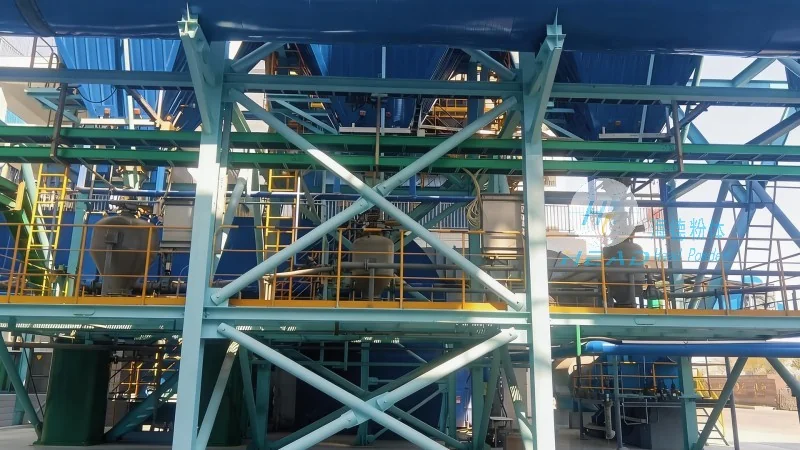
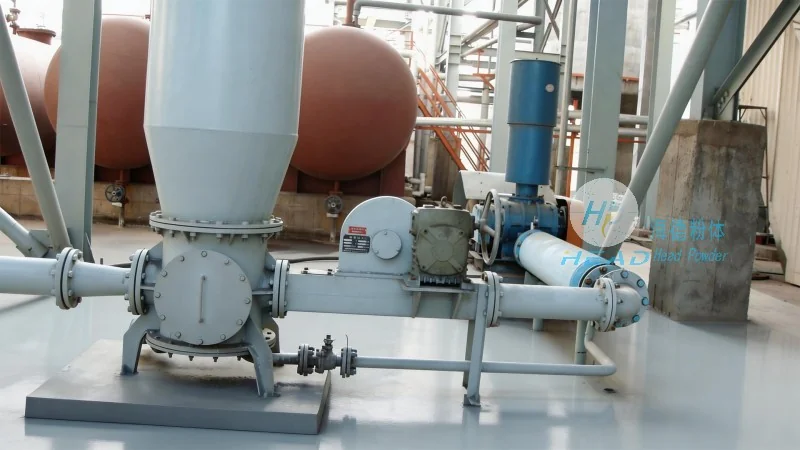
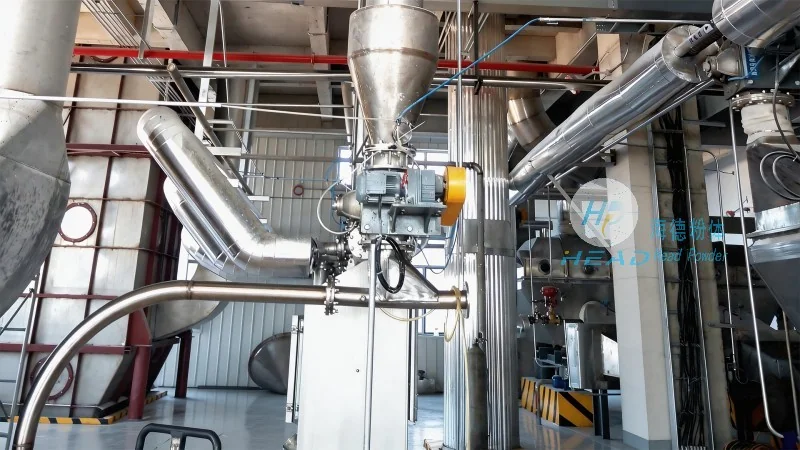
A typical feed pellet material conveying system consists of several key components that work in tandem to achieve effective material transport. The primary components include the feed hopper, which holds the feed pellets and regulates the flow into the conveying mechanism; the conveyor itself, which may be a screw conveyor, belt conveyor, or pneumatic conveyor depending on the system design; and the drive system, which provides the necessary power to move the material. Additionally, control systems, such as variable frequency drives (VFDs) and sensors, are integrated to monitor and adjust the conveying speed and flow rate based on real-time conditions. The system may also include accessories like feeders, chutes, and dust collection equipment to ensure safe and efficient operation. Each component is carefully selected and engineered to work together seamlessly, ensuring that the feed pellets are transported with minimal loss, breakage, or contamination.
The design of a feed pellet material conveying system is guided by several critical principles aimed at maximizing performance, durability, and safety. One of the fundamental principles is the selection of appropriate materials for the conveyor components, as feed pellets can be abrasive and may contain moisture or other contaminants. Materials like stainless steel, corrosion-resistant alloys, and high-quality plastics are commonly used to withstand wear and resist corrosion. Another key principle is the optimization of the conveyor's geometry, including the angle of inclination and the diameter of the screw or belt, to minimize friction and energy consumption while maintaining sufficient material flow. The system's design also considers the need for easy maintenance and cleaning, as feed processing environments require regular sanitation to prevent contamination and ensure product safety. Furthermore, the integration of safety features, such as emergency stop buttons and overload protection, is essential to protect operators and equipment from potential hazards. These design principles are crucial for ensuring that the conveying system operates efficiently and reliably over its service life.

 Shandong Headpowder Engineering Co., Ltd.
 156-6277-7102(Manager Zhang)
  0531-83386006
  Zhangqiu District, Jinan City, Shandong Province, China
telephone
WeChatconsult
top