

What Are Barium Carbonate Material Handling Equipment? And What Are Their Design Principles?
Barium carbonate is a widely used chemical compound in various industrial applications, and the efficient handling and transportation of this material are crucial for maintaining production efficiency and safety standards. This article explores the types of equipment used for barium carbonate material handling, along with the underlying design principles that ensure optimal performance in industrial settings.
Introduction to Barium Carbonate Material Handling Equipment
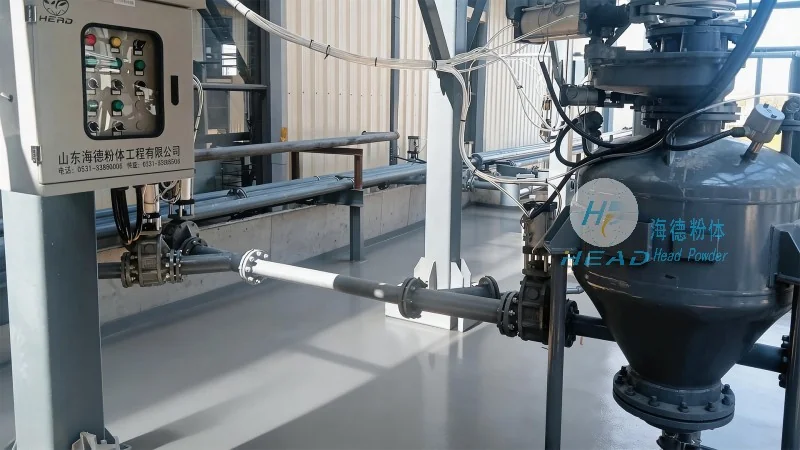
Barium carbonate material handling equipment is specifically designed to handle the unique properties of barium carbonate, which includes its fine powder form and potential reactivity under certain conditions. The equipment must be capable of safely transporting, storing, and processing the material while minimizing dust generation and ensuring compliance with safety regulations. Common types of equipment include conveyor systems, silos, hoppers, and specialized feeding mechanisms tailored to the characteristics of barium carbonate.
Key Components and Design Considerations
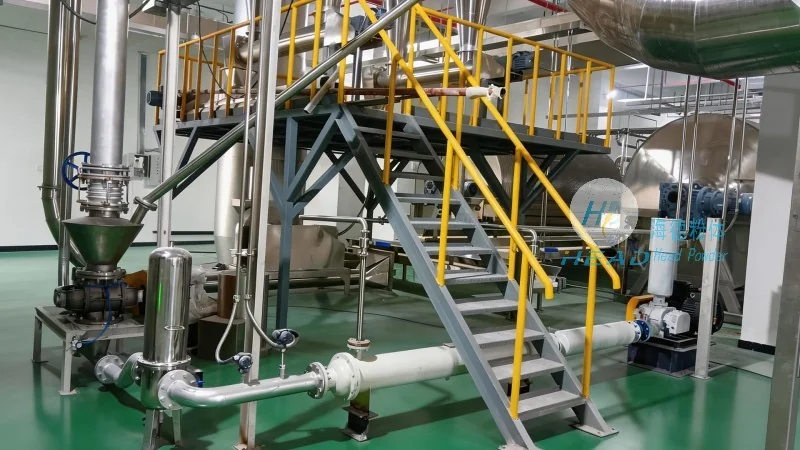
The design of barium carbonate material handling equipment involves several critical components and considerations to ensure reliability and efficiency. One of the primary components is the conveyor system, which may include belt conveyors, screw conveyors, or pneumatic conveying systems, depending on the application and material flow requirements. The choice of conveyor type is influenced by factors such as the material's bulk density, flowability, and potential for caking or agglomeration. For example, belt conveyors are often used for bulk material transport due to their high capacity and ability to handle large volumes of barium carbonate. Screw conveyors, on the other hand, are suitable for more precise material feeding and can be used in vertical or inclined configurations to control the flow rate and direction of the material.
Another essential component is the storage and feeding equipment, such as silos and hoppers. These structures are designed to store barium carbonate in a controlled environment, preventing moisture absorption and ensuring consistent material quality. The design of silos and hoppers typically includes smooth, non-stick surfaces to minimize material buildup and reduce the risk of clogging. Additionally, the feeding mechanisms, such as rotary valves or vibratory feeders, are engineered to provide uniform material flow and prevent blockages, which is critical for maintaining the efficiency of downstream processing equipment.
Design Principles for Optimal Performance
The design principles for barium carbonate material handling equipment focus on several key aspects to ensure safe and efficient operation. First, the equipment must be constructed from materials that are resistant to corrosion and chemical reactions with barium carbonate. Common materials include stainless steel, which offers excellent resistance to corrosion and can withstand the potential acidic or basic properties of the material. The use of stainless steel also helps to prevent contamination of the material, which is essential for maintaining its purity in applications such as pharmaceuticals or specialty chemicals.
Second, the design incorporates features to minimize dust generation and improve safety. Barium carbonate is a fine powder, and excessive dust can pose respiratory hazards and create fire or explosion risks in industrial environments. Therefore, equipment such as enclosed conveyor systems, dust collection systems, and sealed hoppers are commonly used to contain dust and ensure a safe working environment. The design also includes proper ventilation and filtration systems to capture any airborne particles and prevent their release into the workplace.
Third, the equipment is designed to handle the material's flow characteristics effectively. Barium carbonate may exhibit different flow properties depending on its moisture content and particle size distribution. The design of hoppers and chutes includes appropriate angles and smooth surfaces to promote free flow and prevent material bridging or rat-holing. This ensures consistent material discharge and prevents blockages that could lead to equipment downtime or safety hazards.
Applications and Industry Standards
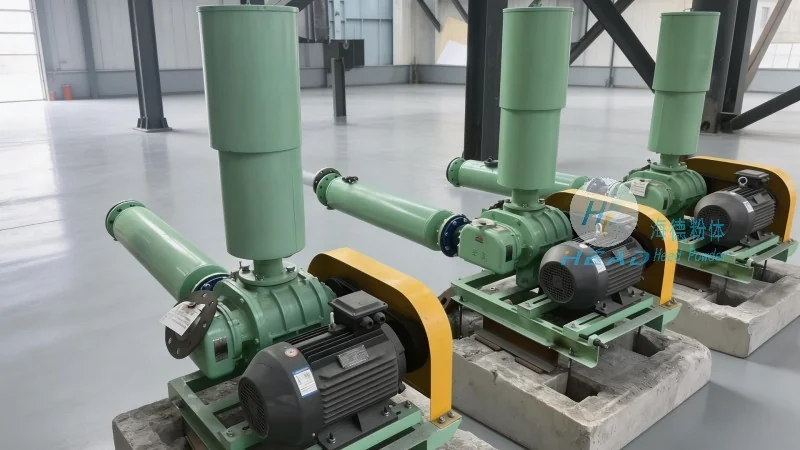
Barium carbonate material handling equipment is used in a variety of industries, including pharmaceuticals, ceramics, and specialty chemicals. In the pharmaceutical industry, the equipment must meet stringent quality and safety standards to ensure the purity of the final product. This includes compliance with regulations such as GMP (Good Manufacturing Practice) and the use of cleanroom-compatible materials and designs. In the ceramics industry, the equipment is used to transport barium carbonate for use as a flux or opacifier in glazes and ceramics, where consistent material quality is crucial for achieving the desired product properties.
The design of the equipment also adheres to industry standards and best practices to ensure reliability and longevity. This includes considerations such as load capacity, material handling speed, and maintenance requirements. Regular maintenance is essential to ensure the equipment operates efficiently and safely, and the design incorporates features that facilitate easy access for cleaning and maintenance, such as removable panels and accessible drive components.
Conclusion
In conclusion, barium carbonate material handling equipment is a critical component in industrial processes that require the efficient and safe handling of this chemical compound. The design of such equipment involves careful consideration of the material's properties, safety requirements, and operational needs to ensure optimal performance. By incorporating features such as corrosion-resistant materials, dust control systems, and efficient feeding mechanisms, the equipment can effectively handle barium carbonate while maintaining high standards of safety and quality. As industrial processes continue to evolve, the design of barium carbonate material handling equipment will likely incorporate advanced technologies and materials to further improve efficiency and safety in material handling operations.