With more than 10‑year industry experience, Shandong Headpowder delivers full‑service pneumatic‑conveying systems and blowers, undertaking nationwide turn‑key powder‑handling projects.
Dry manure material handling refers to the process of transporting and managing dry organic waste, such as animal manure, in agricultural and waste management settings. This method is increasingly popular as it offers several advantages over traditional wet manure handling, including reduced water usage, lower transportation costs, and improved odor control. Understanding the mechanisms and design principles behind effective dry manure handling systems is crucial for optimizing farm operations and enhancing environmental sustainability.
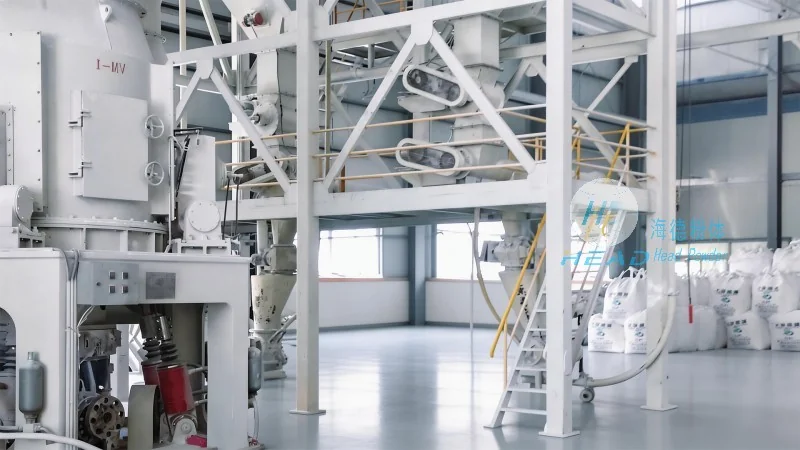
Effective dry manure handling systems typically consist of several interconnected components designed to collect, transport, and store dry manure efficiently. The core design principles revolve around maximizing material flow, minimizing energy consumption, and ensuring durability under harsh conditions. A typical system may include collection bins or trays that gather dry manure from animal housing, conveyor belts or augers that move the material to storage or processing areas, and storage silos or bags that maintain the material's dryness and prevent spoilage. The choice of materials for these components, such as corrosion-resistant metal or high-density polyethylene, is critical to ensure longevity and prevent contamination. Additionally, the system's layout often considers the natural slope of the farm to reduce the need for mechanical power, thereby lowering operational costs. Proper ventilation and moisture control are also integral design elements, as excess moisture can lead to fermentation and unpleasant odors, which are undesirable in agricultural settings.
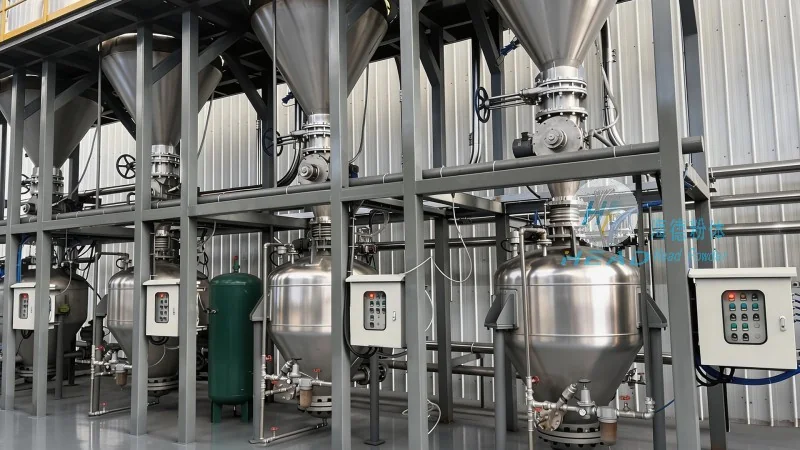
Shandong HeadPowder Engineering Co., Ltd., a leading provider of agricultural and waste management solutions, specializes in developing customized dry manure handling systems tailored to the specific needs of farms and livestock operations. With a deep understanding of the unique challenges faced by agricultural producers, the company's engineers design systems that prioritize efficiency, durability, and environmental responsibility. For instance, their collection and conveyor systems are engineered to handle a wide range of dry manure types, from cow manure to poultry litter, ensuring consistent performance across different applications. The company's storage solutions, such as large-capacity silos, are designed to maintain optimal moisture levels, preventing the material from becoming too wet or too dry, which can affect its usability for composting or fertilizer production. By integrating advanced materials and innovative design features, HeadPowder's systems help farms reduce labor costs, minimize waste, and enhance overall productivity. The company's commitment to using high-quality, long-lasting components ensures that their clients receive reliable solutions that stand up to the demands of daily farm operations.
Adopting dry manure handling systems offers numerous benefits for agricultural operations. One of the most significant advantages is the reduction in water usage, as dry manure requires less water for processing compared to wet manure. This not only conserves a vital resource but also reduces the energy costs associated with water treatment and pumping. Additionally, dry manure is easier to transport and store, as it has a lower bulk density and does not require specialized equipment for handling. This simplifies logistics and reduces transportation costs, making it more economical for farmers to manage their waste. From an environmental perspective, dry manure handling systems help minimize odor emissions and reduce the risk of water contamination from runoff. The dry material is less likely to leach nutrients into groundwater, protecting local water sources and complying with environmental regulations. Furthermore, the consistent moisture content of dry manure makes it ideal for composting or direct use as a soil amendment, improving soil health and fertility without the need for additional processing steps. By implementing these systems, farms can enhance their sustainability efforts while improving operational efficiency and profitability.
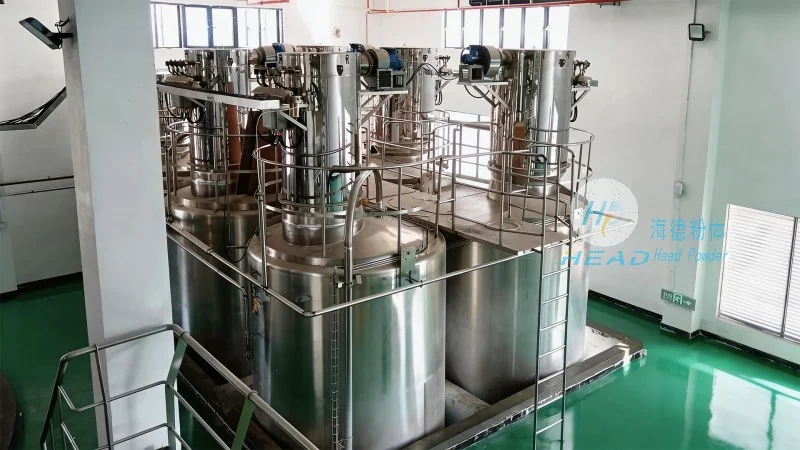
As agricultural practices evolve to meet the demands of a growing global population and increasing environmental concerns, the importance of efficient dry manure handling systems cannot be overstated. These systems represent a practical and sustainable approach to managing animal waste, offering benefits that extend from cost savings to environmental protection. Companies like Shandong HeadPowder Engineering Co., Ltd. play a vital role in advancing this technology by providing innovative solutions that address the specific needs of modern farms. By investing in dry manure handling systems, agricultural operations can not only improve their operational efficiency but also contribute to a more sustainable and environmentally responsible agricultural sector. The design principles and components of these systems, when properly implemented, ensure that dry manure is managed effectively, supporting both the economic and ecological goals of farming communities.

 Shandong Headpowder Engineering Co., Ltd.
 156-6277-7102(Manager Zhang)
  0531-83386006
  Zhangqiu District, Jinan City, Shandong Province, China
telephone
WeChatconsult
top