With more than 10‑year industry experience, Shandong Headpowder delivers full‑service pneumatic‑conveying systems and blowers, undertaking nationwide turn‑key powder‑handling projects.
When it comes to transporting hydrogen chloride (HCl) via pneumatic conveying systems, selecting the right pressure type—positive or negative—is a critical decision that impacts system efficiency, safety, and operational costs. This article explores the key differences between positive and negative pressure systems, helping you understand how to choose the most suitable option for your specific application.
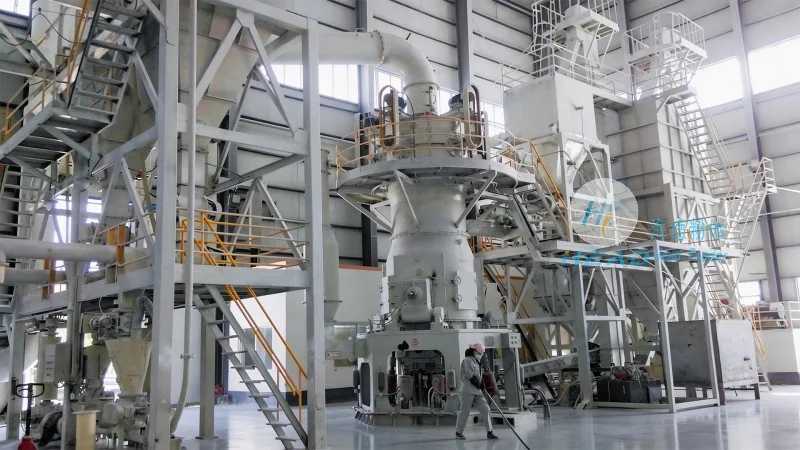
Pneumatic conveying is a widely used method for transporting bulk materials, including corrosive chemicals like hydrogen chloride, from one location to another. The choice between positive and negative pressure systems depends on several factors, including the distance to be covered, the material's properties, and the overall system design. Both methods have their advantages and limitations, and understanding these can guide you toward the optimal solution.
Positive pressure conveying operates by blowing air or gas into the system, creating a pressure higher than the ambient environment. The material is carried through the pipeline by the moving air stream, which is typically at a pressure of 0.5 to 2 bar above atmospheric pressure. This method is often preferred for long-distance or complex conveying routes, as it can maintain consistent flow and handle larger quantities of material.
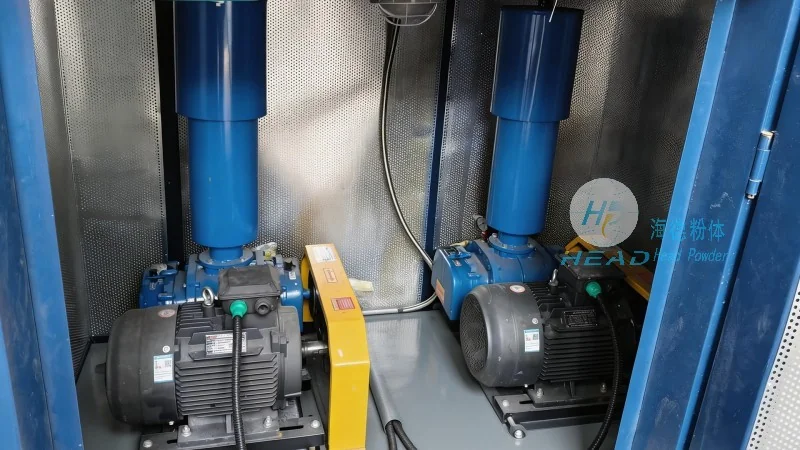
Key advantages of positive pressure systems include their ability to handle longer distances and more complex layouts, such as vertical lifts or multiple branches. They are also less susceptible to blockages caused by dust accumulation, as the high-pressure air helps keep the material in suspension. However, positive pressure systems require more robust equipment, including high-pressure blowers and sealed pipelines, which can increase initial capital costs and maintenance requirements.
Negative pressure conveying, also known as suction or vacuum conveying, works by creating a vacuum in the system, drawing material into the pipeline. The system operates at a pressure lower than the ambient environment, typically around 0.1 to 0.5 bar below atmospheric pressure. This method is often more cost-effective for shorter distances and simpler applications, as it requires less powerful equipment and simpler piping.
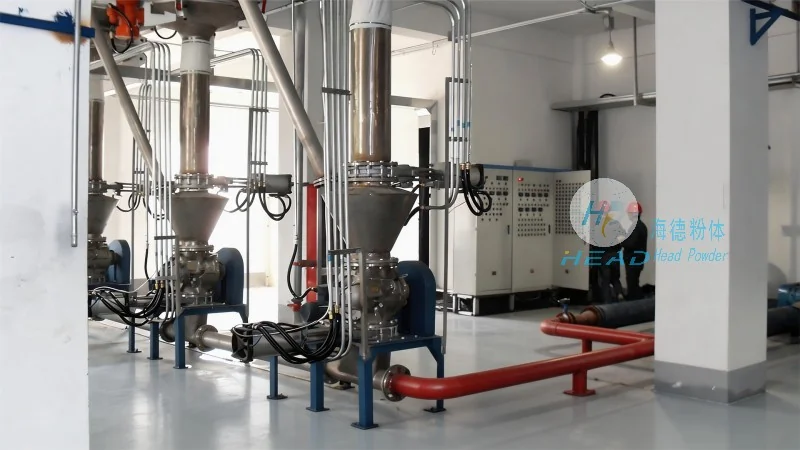
One of the main benefits of negative pressure systems is their lower initial investment and easier installation. They are also well-suited for applications where the material is to be collected from a hopper or silo, as the vacuum can draw material up and into the pipeline. However, negative pressure systems have limitations in terms of distance and material handling. They are generally limited to shorter distances (typically under 100 meters) and may struggle with abrasive or sticky materials, as the low pressure can lead to blockages or reduced flow rates.
When deciding between positive and negative pressure for hydrogen chloride conveying, several factors must be evaluated. The most critical considerations include:
To help you differentiate between the two systems, consider the following practical guidelines:
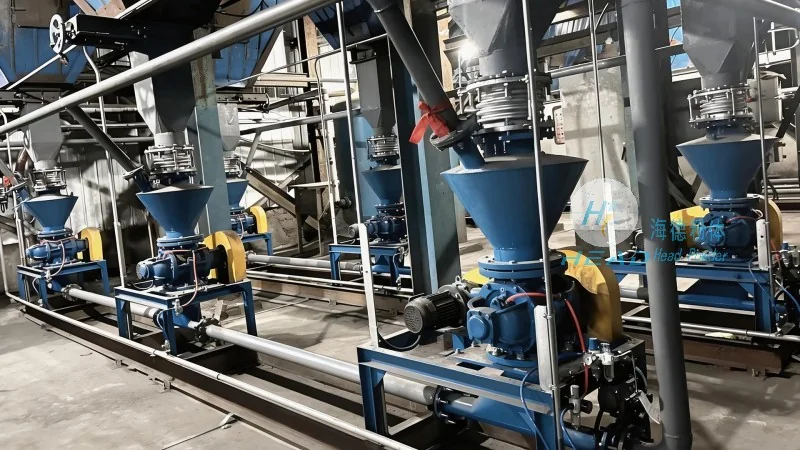
Choosing between positive and negative pressure for hydrogen chloride pneumatic conveying requires a careful assessment of your specific operational needs. Positive pressure systems offer greater flexibility and capacity for long-distance or complex applications but come with higher costs and maintenance demands. Negative pressure systems are more economical for short distances and simpler setups but have limitations in terms of distance and material handling.
By understanding the key factors—conveying distance, material properties, system complexity, and cost—you can make an informed decision that ensures efficient, safe, and cost-effective transport of hydrogen chloride. For expert guidance on selecting the right pneumatic conveying system for your needs, contact Shandong HeadPowder Engineering Co., Ltd., a leading provider of engineering solutions for chemical processing and material handling.

 Shandong Headpowder Engineering Co., Ltd.
 156-6277-7102(Manager Zhang)
  0531-83386006
  Zhangqiu District, Jinan City, Shandong Province, China
telephone
WeChatconsult
top