With more than 10‑year industry experience, Shandong Headpowder delivers full‑service pneumatic‑conveying systems and blowers, undertaking nationwide turn‑key powder‑handling projects.
Fertilizer material handling refers to the processes and technologies used to move, store, and manage bulk fertilizer materials throughout the production, processing, and distribution stages. This critical aspect of the fertilizer industry ensures that raw materials are efficiently transported to processing units, finished products are properly stored and dispatched, and overall operational efficiency is maximized. The effectiveness of material handling systems directly impacts production capacity, product quality, and cost management in fertilizer manufacturing facilities.
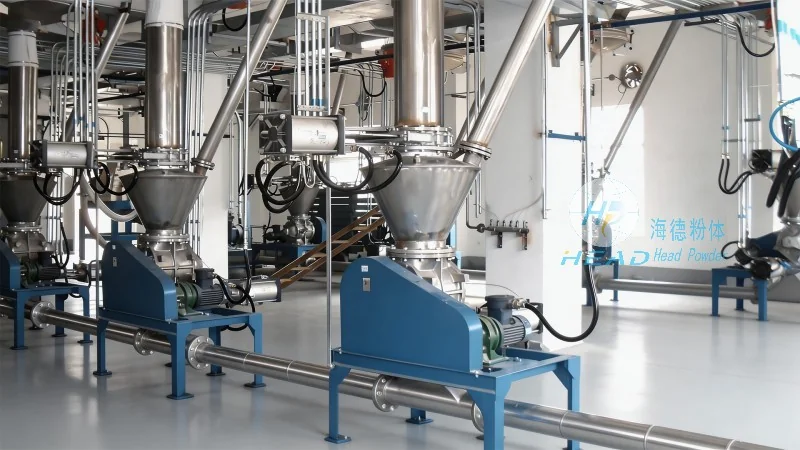
At its core, fertilizer material handling involves the movement of bulk materials such as nitrogen, phosphorus, and potassium compounds, as well as other nutrients and additives. These materials are typically handled in large quantities, requiring specialized equipment and systems to ensure safety, efficiency, and minimal loss. Key concepts include bulk material handling, which focuses on the movement of loose, granular, or powdery substances, and the integration of material handling with production lines to create a seamless workflow. The goal is to minimize manual labor, reduce handling time, and enhance the overall productivity of fertilizer operations.
Designing an effective fertilizer material handling system requires careful consideration of several key principles. First, the system must be capable of handling the specific characteristics of the fertilizer materials, including their particle size, moisture content, and flowability. This involves selecting appropriate equipment such as belt conveyors, screw conveyors, or pneumatic systems that can accommodate the material's properties without causing blockages or degradation. Second, durability and reliability are paramount, as fertilizer handling equipment operates in harsh environments with high wear and tear. Materials like stainless steel and heavy-duty components are often used to ensure long-term performance. Third, safety is a critical design consideration, with features like enclosed systems, proper ventilation, and emergency stop mechanisms to protect operators and prevent accidents. Finally, integration with the overall production process is essential, allowing for smooth transitions between storage, processing, and packaging stages without bottlenecks.
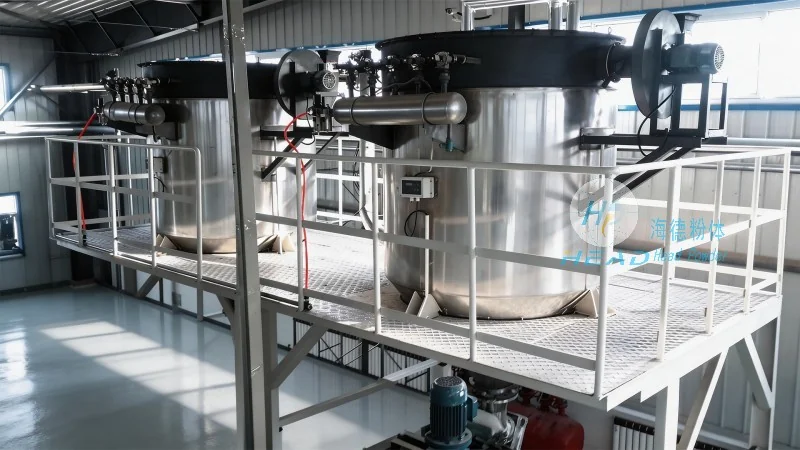
Modern fertilizer material handling systems incorporate a range of components and technologies to achieve optimal performance. Hoppers and feeders are used to control the flow of materials from storage silos to processing equipment, ensuring consistent feed rates. Conveyor systems, including belt conveyors for horizontal and inclined transport, screw conveyors for vertical or horizontal movement, and pneumatic conveyors for dust-free transport of powders, are fundamental to material movement. Storage silos, often made of steel or concrete, provide large-capacity storage for raw materials and finished products, with features like agitators to prevent material bridging and compaction. Control systems, including PLCs (Programmable Logic Controllers) and SCADA (Supervisory Control and Data Acquisition) systems, enable automated operation and monitoring of the entire material handling process, allowing for real-time adjustments and data collection. Additionally, safety and environmental controls, such as dust suppression systems and material containment measures, are integrated to meet regulatory requirements and protect the environment.
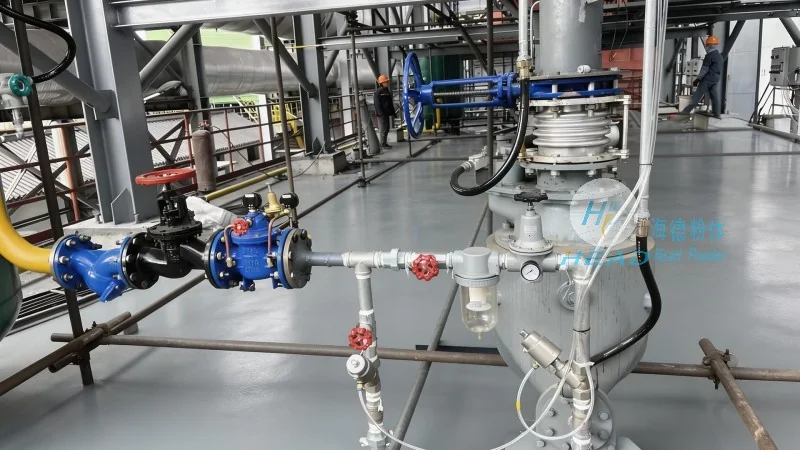
Efficient material handling plays a pivotal role in the entire fertilizer production and distribution chain. In the production phase, reliable handling systems ensure that raw materials are delivered to processing units in the correct quantities and at the right time, preventing production delays and ensuring consistent product quality. During processing, proper material handling minimizes material loss and contamination, which can affect the final nutrient content and product performance. In the storage and distribution stages, well-designed handling systems maintain the integrity of the fertilizer, preventing caking, segregation, or degradation. This leads to improved product stability and customer satisfaction. Furthermore, optimized material handling reduces operational costs by minimizing downtime, energy consumption, and labor requirements, contributing to the overall profitability of fertilizer operations.
Shandong HeadPowder Engineering Co., Ltd. is a leading provider of specialized engineering solutions for the fertilizer industry, headquartered in Shandong, China. With a strong focus on innovation and customer-centric design, the company has established itself as a trusted partner in developing and implementing efficient material handling systems for fertilizer production facilities. By leveraging advanced technologies and extensive industry experience, HeadPowder offers tailored solutions that address the unique challenges of fertilizer material handling, ensuring that clients achieve enhanced operational efficiency, improved product quality, and compliance with industry standards. The company's commitment to quality, reliability, and sustainability has made it a key player in the global fertilizer equipment market.

 Shandong Headpowder Engineering Co., Ltd.
 156-6277-7102(Manager Zhang)
  0531-83386006
  Zhangqiu District, Jinan City, Shandong Province, China
telephone
WeChatconsult
top