With more than 10‑year industry experience, Shandong Headpowder delivers full‑service pneumatic‑conveying systems and blowers, undertaking nationwide turn‑key powder‑handling projects.
Organic fertilizer handling and transportation is a critical process in modern agricultural practices, requiring efficient and environmentally friendly solutions to ensure optimal nutrient delivery to crops. Traditional methods often involve manual labor or mechanical conveyors, which can be labor-intensive, time-consuming, and less hygienic. This is where pneumatic conveying technology emerges as a superior alternative, offering a clean, efficient, and reliable way to transport organic fertilizers. The following article delves into the advantages and applications of pneumatic conveying systems, highlighting how they enhance the efficiency of organic fertilizer transport while maintaining a high standard of cleanliness.
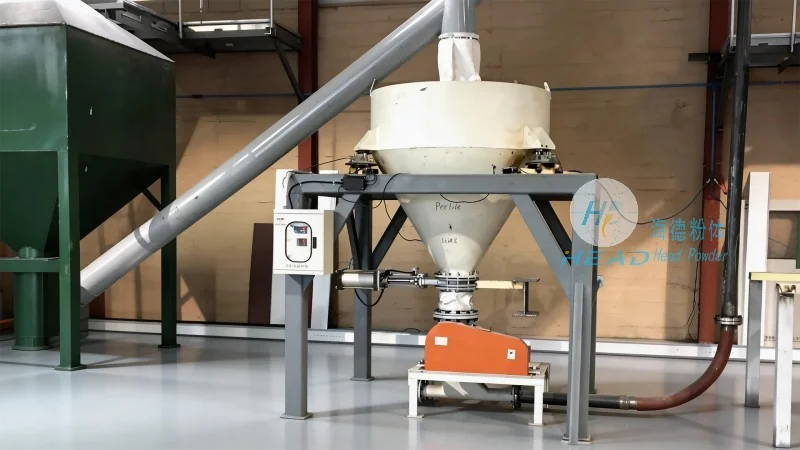
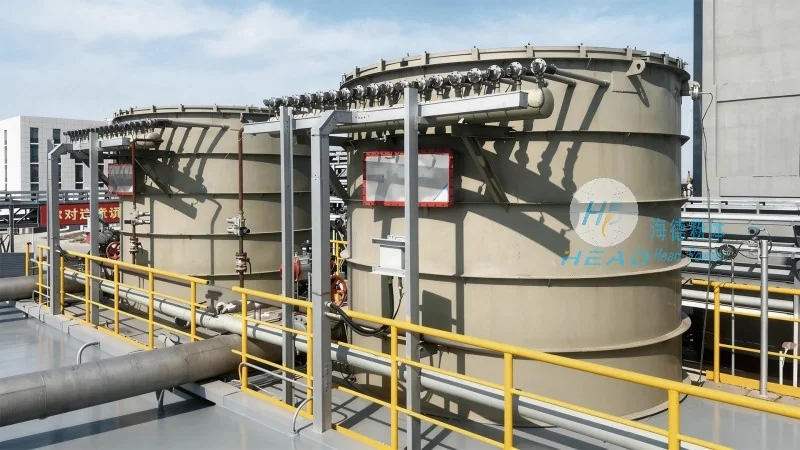
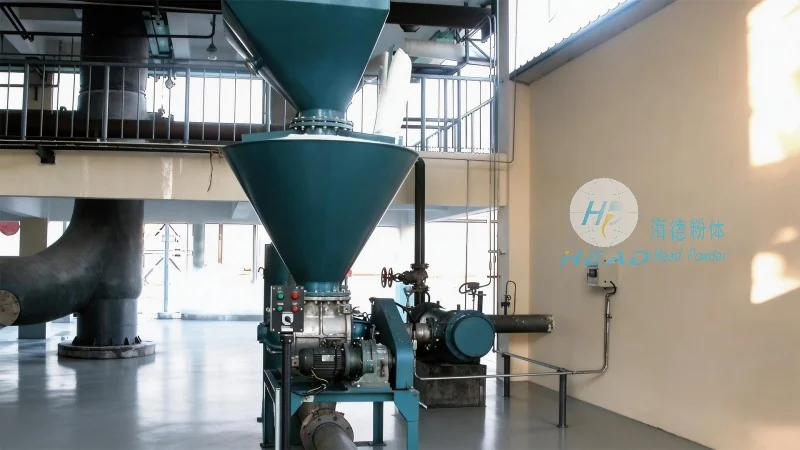
Pneumatic conveying, also known as air conveying, is a method of transporting bulk materials through a pipeline using compressed air or other gas. Unlike traditional mechanical systems that rely on belts, screws, or buckets, pneumatic conveyors use air pressure to move materials, eliminating the need for physical contact and reducing the risk of contamination. This makes it an ideal choice for organic fertilizers, which are often sensitive to moisture, temperature, and physical damage. The technology works by creating a flow of air within the pipeline, which draws the fertilizer particles into the system and transports them to the desired location. There are two main types of pneumatic conveying systems: pressure and vacuum. Pressure systems use compressed air to push the material forward, while vacuum systems use a vacuum to pull the material into the pipeline. Both types are effective for organic fertilizer transport, but the choice depends on the specific application and material characteristics.
Implementing pneumatic conveying technology for organic fertilizer transport offers numerous benefits that enhance operational efficiency and product quality. First and foremost, it significantly improves the speed and throughput of fertilizer handling. Unlike traditional methods that may require hours or even days to transport large quantities of fertilizer, pneumatic systems can move materials at a much faster rate, reducing downtime and increasing productivity. This is particularly important for large-scale agricultural operations that need to process and distribute organic fertilizers quickly to meet market demands. Additionally, pneumatic conveying is a clean and hygienic method, which is crucial for organic fertilizers that are often used in food production. The enclosed pipeline system prevents dust and contaminants from entering the environment, ensuring that the fertilizer remains pure and free from external pollutants. This not only protects the quality of the fertilizer but also minimizes the risk of health hazards for workers and the surrounding community. Another key advantage is the reduced labor and maintenance costs associated with pneumatic systems. Traditional conveyors often require frequent maintenance and manual intervention, which can be time-consuming and expensive. Pneumatic systems, on the other hand, are designed to be low-maintenance and can operate continuously with minimal human intervention. This reduces the need for additional staff and lowers overall operational costs, making them a cost-effective solution for long-term use. Shandong HeadPowder Engineering Co., Ltd. (headpowder), a leading manufacturer of pneumatic conveying systems, emphasizes that these benefits are crucial for modern agricultural operations. The company’s expertise in designing and manufacturing customized pneumatic systems ensures that farmers and growers can achieve optimal efficiency and cleanliness in their fertilizer handling processes.

 Shandong Headpowder Engineering Co., Ltd.
 156-6277-7102(Manager Zhang)
  0531-83386006
  Zhangqiu District, Jinan City, Shandong Province, China
telephone
WeChatconsult
top