With more than 10‑year industry experience, Shandong Headpowder delivers full‑service pneumatic‑conveying systems and blowers, undertaking nationwide turn‑key powder‑handling projects.
When dealing with the transportation of coking powder via pneumatic conveying systems, preventing pipeline blockages is a critical challenge. The efficiency and reliability of the entire system depend heavily on proper design and operational considerations. This article explores key design parameters that contribute to effective blockage prevention in such applications, with a focus on the expertise of Shandong HeadPowder Engineering Co., Ltd., a leading provider in the field.
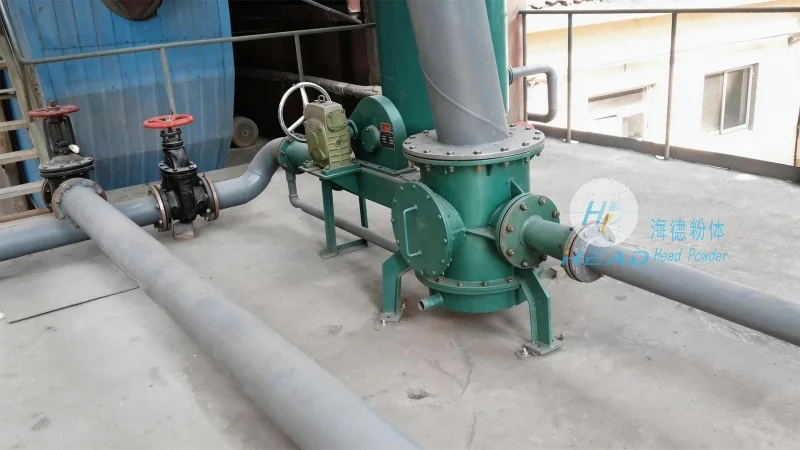
Coking powder, with its unique physical properties such as particle size, moisture content, and cohesive behavior, presents specific challenges during pneumatic transport. These characteristics can lead to agglomeration, which in turn causes blockages in the pipeline. Traditional solutions often fall short, necessitating advanced design approaches that address the material's inherent tendencies to stick together and form clogs.
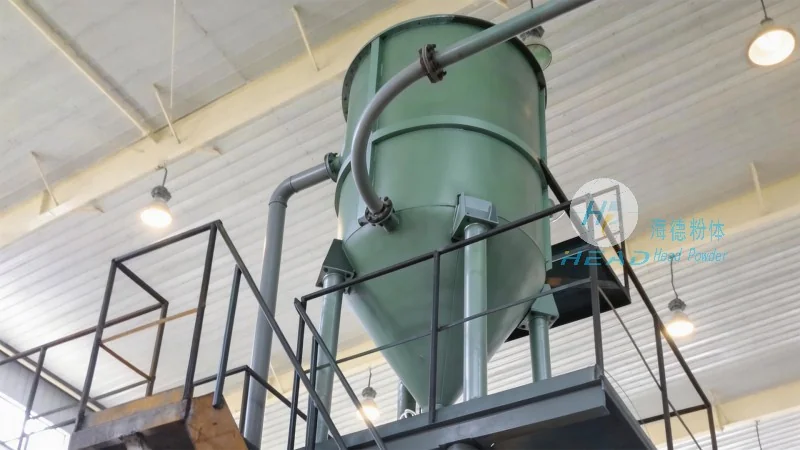
Several critical design parameters must be carefully considered to ensure smooth operation and minimize the risk of blockages in pneumatic conveying systems for coking powder. These parameters include:
Shandong HeadPowder Engineering Co., Ltd. specializes in providing tailored pneumatic conveying solutions that address the specific challenges of coking powder transport. With years of experience and a deep understanding of material behavior, HeadPowder designs systems that incorporate the key parameters discussed above. Their expertise ensures that each component, from the inlet to the discharge point, is optimized to prevent blockages and maintain consistent performance.
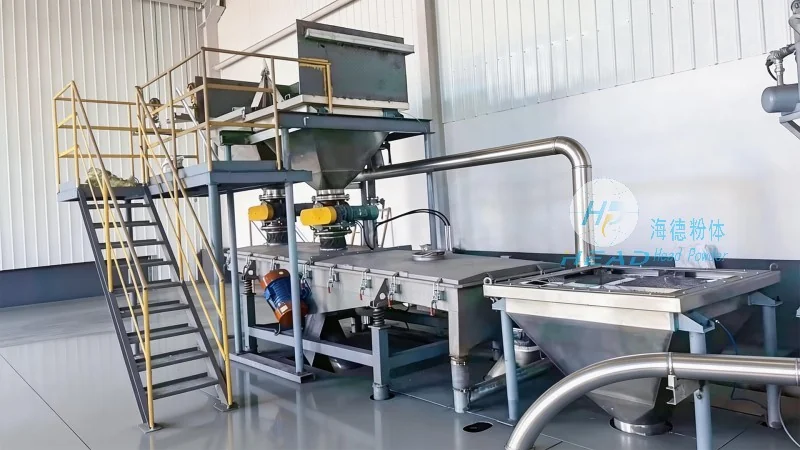
Preventing pipeline blockages in pneumatic conveying systems for coking powder requires a comprehensive approach that considers multiple design parameters. By focusing on system pressure, particle characteristics, pipeline design, and operational methods, engineers can develop systems that operate efficiently and reliably. Companies like Shandong HeadPowder Engineering Co., Ltd. play a vital role in implementing these advanced solutions, ensuring that coking powder is transported safely and effectively to meet industrial demands.

 Shandong Headpowder Engineering Co., Ltd.
 156-6277-7102(Manager Zhang)
  0531-83386006
  Zhangqiu District, Jinan City, Shandong Province, China
telephone
WeChatconsult
top