With more than 10‑year industry experience, Shandong Headpowder delivers full‑service pneumatic‑conveying systems and blowers, undertaking nationwide turn‑key powder‑handling projects.
When it comes to handling gypsum powder efficiently and safely, the gypsum powder conveyor emerges as a critical piece of equipment in various industrial applications. This article aims to provide a comprehensive overview of what a gypsum powder conveyor is and the underlying design principles that make it effective for transporting this specific type of material.
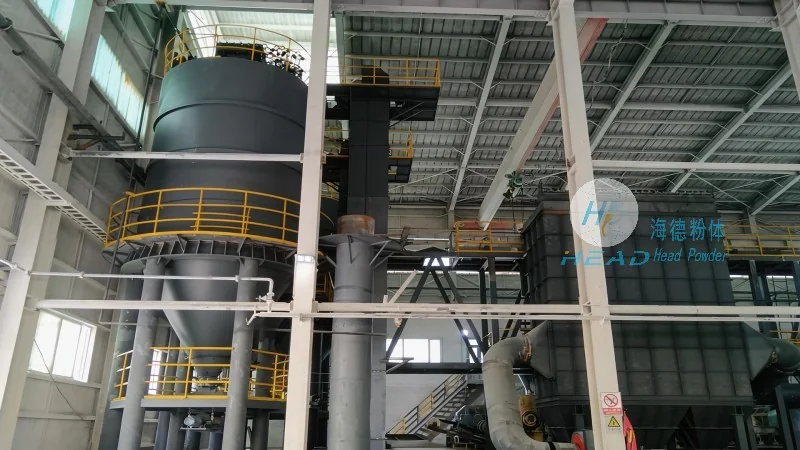
Gypsum powder, a common industrial material used in construction, manufacturing, and other sectors, requires specialized equipment for reliable and efficient transportation. A gypsum powder conveyor is a mechanical system designed to move gypsum powder from one location to another within a processing facility or between different stages of production. These conveyors are engineered to handle the unique properties of gypsum powder, such as its fine particle size, moisture content, and potential for dust generation, ensuring safe and effective material handling.
The design of a gypsum powder conveyor typically incorporates several key components that work in tandem to achieve efficient material transport. These components include the feeding mechanism, the conveyor belt or tube, the drive system, and the control system. The feeding mechanism is responsible for introducing the gypsum powder into the conveyor system, often using a hopper or a feeder that can handle the material's flow characteristics. The conveyor belt or tube is designed to transport the powder, with materials like food-grade PVC or stainless steel often used to prevent contamination and ensure durability. The drive system provides the necessary power to move the conveyor, which may include motors, pulleys, and belts. Finally, the control system allows operators to monitor and adjust the conveyor's operation, ensuring optimal performance and safety.
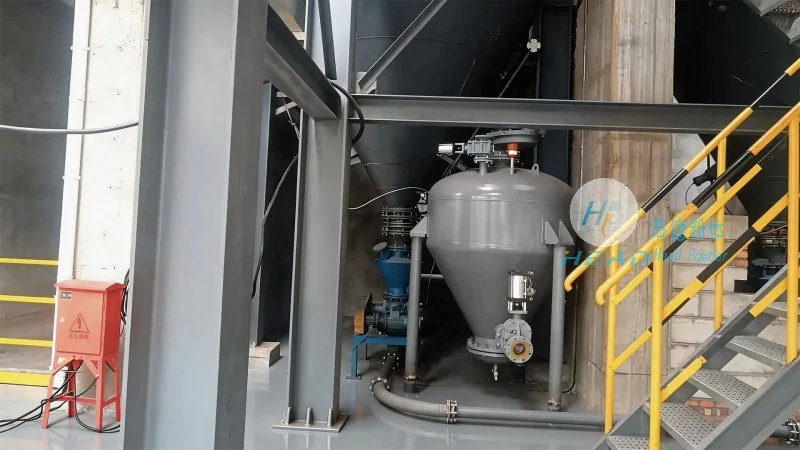
The design principles of a gypsum powder conveyor are centered around several critical factors that address the challenges of handling fine powders. One of the primary considerations is dust control, as gypsum powder can generate significant dust during transport. Conveyors often incorporate dust collection systems or sealed designs to minimize airborne particles and ensure a safe working environment. Another key principle is the prevention of material buildup or clogging, which can occur due to the fine particle size of gypsum. This is achieved through the use of smooth surfaces, proper slope angles, and effective cleaning mechanisms. Additionally, the conveyor's design must account for the material's moisture content, as excessive moisture can affect its flow properties and potentially lead to blockages. The use of materials that are resistant to moisture and corrosion is also a critical design consideration.
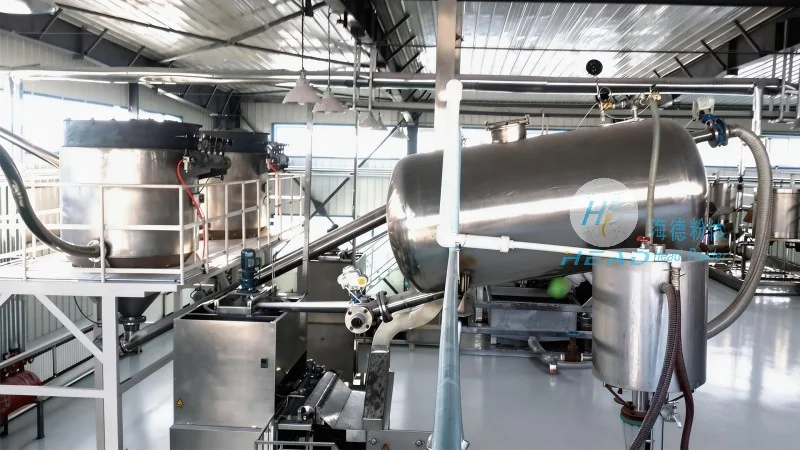
Gypsum powder conveyors are widely used in various industries where gypsum is a key raw material. In the construction industry, they are essential for transporting gypsum powder to manufacturing facilities for the production of gypsum boards, drywall, and other building materials. In the pharmaceutical and food industries, specialized gypsum powder conveyors are used to handle gypsum in the production of certain medications or food products, where hygiene and contamination control are paramount. The versatility of these conveyors makes them suitable for a range of applications, from small-scale operations to large industrial plants.
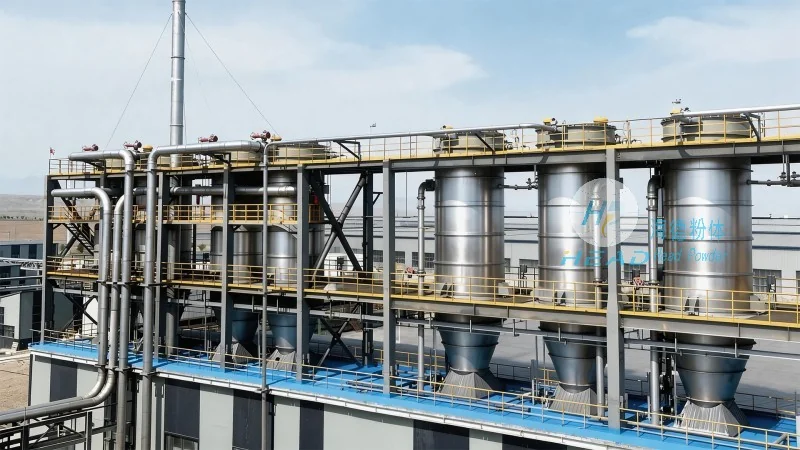
Implementing a gypsum powder conveyor offers several advantages over traditional material handling methods. One of the most significant benefits is the reduction in labor costs, as automated systems can handle the material transport process with minimal human intervention. This also leads to increased efficiency and productivity, as the conveyor can operate continuously without the need for frequent manual adjustments. Additionally, gypsum powder conveyors help maintain a cleaner and safer working environment by minimizing dust and reducing the risk of material spills or accidents. The consistent and reliable transport of gypsum powder also ensures that downstream processes, such as mixing or processing, receive a consistent quality of material, leading to improved product quality and reduced waste.
In conclusion, a gypsum powder conveyor is a specialized piece of equipment designed to efficiently and safely transport gypsum powder in industrial settings. Its design incorporates key components and principles that address the unique challenges of handling fine powders, including dust control, material flow management, and durability. By understanding the design and applications of gypsum powder conveyors, businesses can optimize their material handling processes, improve operational efficiency, and ensure a safe working environment. For companies seeking reliable solutions for gypsum powder transport, Shandong HeadPowder Engineering Co., Ltd., located in Shandong, China, offers advanced and customized conveyor systems tailored to meet specific industrial needs.

 Shandong Headpowder Engineering Co., Ltd.
 156-6277-7102(Manager Zhang)
  0531-83386006
  Zhangqiu District, Jinan City, Shandong Province, China
telephone
WeChatconsult
top