With more than 10‑year industry experience, Shandong Headpowder delivers full‑service pneumatic‑conveying systems and blowers, undertaking nationwide turn‑key powder‑handling projects.
When it comes to transporting monosodium glutamate (MSG) in industrial settings, selecting the right conveying method is crucial for efficiency, safety, and cost-effectiveness. This article provides a detailed comparison of the most common methods used for MSG conveyance, helping businesses make informed decisions based on their specific operational needs.
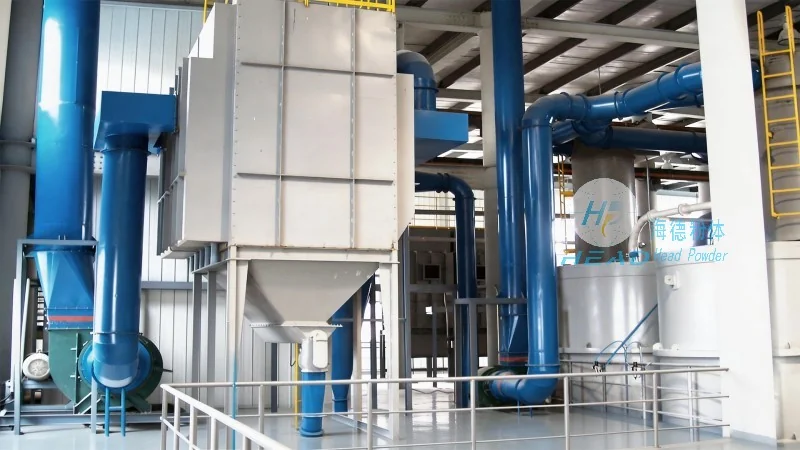
Monosodium glutamate is a widely used flavor enhancer in the food industry, and its efficient transportation is essential for maintaining production flow. Conveying systems for MSG must handle the material's properties, such as its granular or powdered form, and ensure minimal contamination or degradation. The choice of conveying method depends on factors like material flow rate, distance, vertical or horizontal movement, and environmental conditions.
Several conveying methods are commonly employed in the MSG industry. Each method has its advantages and limitations, making it suitable for different applications. The primary methods include belt conveyors, screw conveyors, pneumatic conveyors, and bucket elevators. These systems are designed to handle the unique characteristics of MSG, ensuring reliable and consistent material transport.
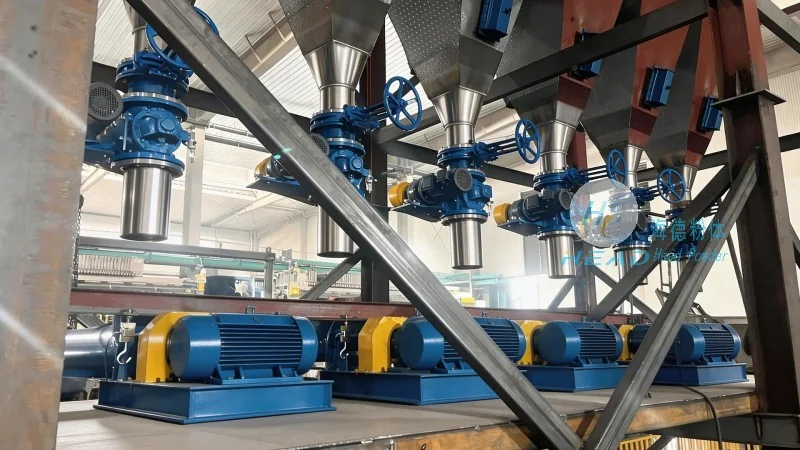
Belt conveyors are widely used for horizontal and inclined transport of MSG. They are suitable for moderate to high flow rates and can handle long distances. The key advantage of belt conveyors is their ability to transport large volumes of material with minimal maintenance. However, they may require more space and are less effective for vertical lifting compared to other methods.
Screw conveyors, also known as auger conveyors, are ideal for vertical or inclined transport of MSG. They are particularly effective for moving material from lower to higher levels. Screw conveyors are compact and can be installed in tight spaces, making them suitable for facilities with limited floor space. However, they may experience wear and tear on the screw and housing over time, especially with abrasive materials like MSG.
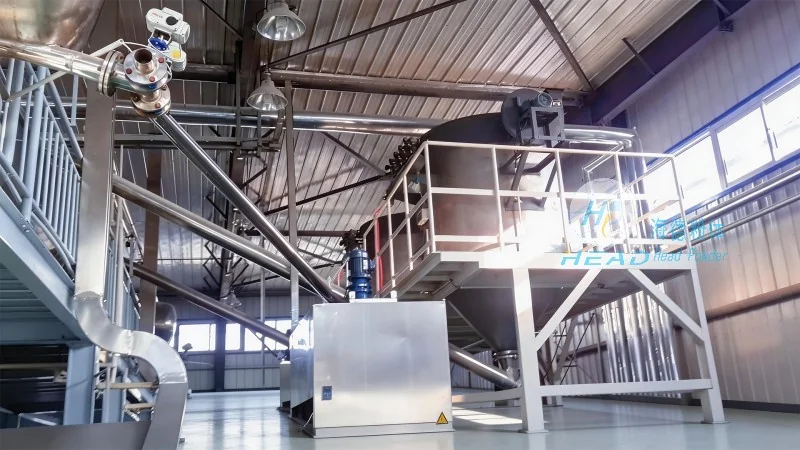
Pneumatic conveyors use air pressure to transport MSG through a pipeline system. This method is highly flexible and can handle both horizontal and vertical movement. Pneumatic conveyors are suitable for applications requiring dust-free or sealed transport, as they can operate in enclosed systems. The main drawback is the higher energy consumption compared to mechanical conveyors, and they may not be suitable for large volumes of material.
Bucket elevators are another option for vertical transport of MSG. They use a series of buckets attached to a belt or chain to lift material from a lower to a higher level. Bucket elevators are capable of handling high flow rates and can transport material over significant vertical distances. They are robust and durable, making them suitable for heavy-duty applications. However, they require regular maintenance to ensure proper operation and may have higher initial costs compared to other methods.
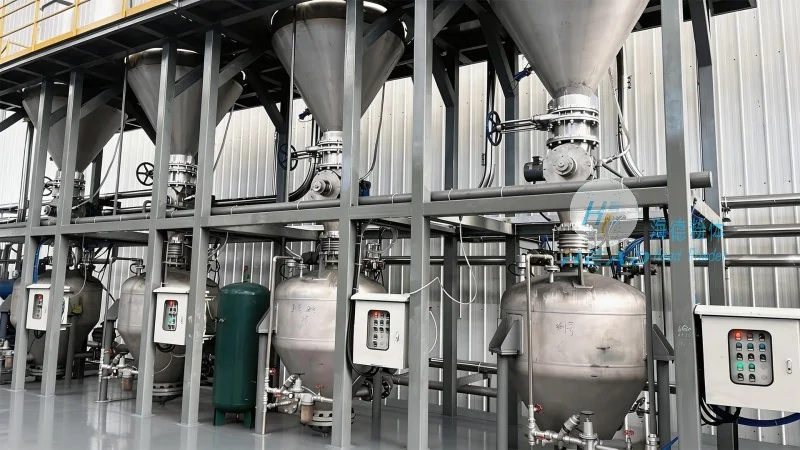
When selecting a conveying system for MSG, several factors must be considered. The first is the material's flow characteristics, including its density, particle size, and moisture content. These factors affect the choice of conveyor type and speed. Second, the distance and elevation changes between the source and destination of the MSG are critical. For example, if the transport involves significant vertical lifting, a screw or bucket elevator may be more appropriate. Third, the production capacity and throughput requirements of the facility must be matched with the conveyor's capacity. Finally, the space available for installation and the budget constraints play a role in the decision-making process.
Shandong HeadPowder Engineering Co., Ltd. is a leading manufacturer and supplier of industrial conveying systems, including those specifically designed for monosodium glutamate. With years of experience in the industry, the company specializes in providing customized solutions that meet the unique needs of its clients. HeadPowder's expertise lies in designing and manufacturing high-quality conveying equipment that ensures efficient and reliable transport of MSG, while adhering to industry standards and safety regulations. The company's products are known for their durability, efficiency, and low maintenance requirements, making them a preferred choice for businesses in the food processing sector. Located in Shandong, China, HeadPowder serves clients globally, delivering innovative and reliable conveying solutions that enhance operational efficiency and productivity.

 Shandong Headpowder Engineering Co., Ltd.
 156-6277-7102(Manager Zhang)
  0531-83386006
  Zhangqiu District, Jinan City, Shandong Province, China
telephone
WeChatconsult
top