With more than 10‑year industry experience, Shandong Headpowder delivers full‑service pneumatic‑conveying systems and blowers, undertaking nationwide turn‑key powder‑handling projects.
Calcined sand powder conveying is a specialized process in material handling that involves the transport of calcined sand particles from one location to another. This technology is crucial in various industrial applications, particularly in the manufacturing and processing sectors where calcined sand is a key raw material. The design of a calcined sand powder conveying system requires careful consideration of several factors to ensure efficient and reliable operation.
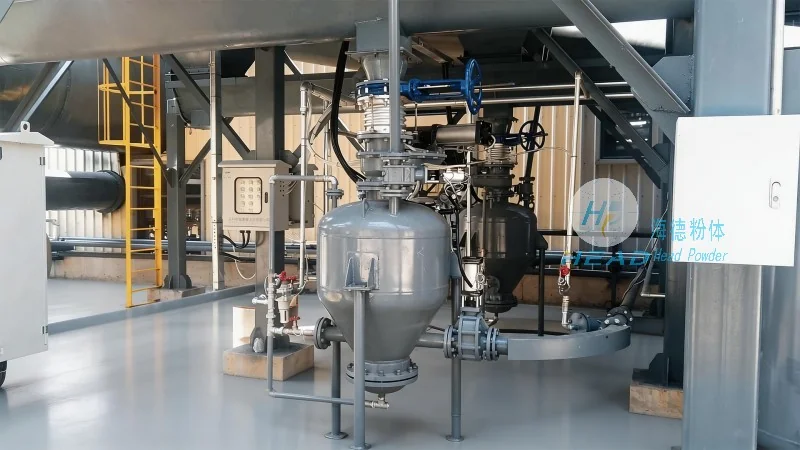
HeadPowder, a leading company in the field, specializes in the engineering and implementation of such systems. With a strong focus on innovation and precision, HeadPowder's solutions are tailored to meet the unique demands of each client's operation. The company's expertise lies in understanding the physical properties of calcined sand, such as particle size, density, and flow characteristics, which are essential for designing an effective conveying system.
The core design principles of calcined sand powder conveying systems revolve around ensuring consistent material flow, minimizing particle degradation, and optimizing energy efficiency. Key components typically include feeders, conveyors, and control systems that work in tandem to achieve these objectives. For instance, the choice of conveyor type—whether pneumatic, mechanical, or a combination—depends on the specific characteristics of the calcined sand and the operational requirements of the facility.
One of the primary challenges in calcined sand powder conveying is managing the material's flowability. Calcined sand, being a fine powder, can exhibit cohesive behavior under certain conditions, leading to blockages or uneven flow. To address this, advanced feeding mechanisms, such as rotary valves or vibratory feeders, are employed to ensure a steady and controlled discharge of the material. These components are designed to handle the specific properties of calcined sand, preventing issues like bridging or arching that could disrupt the conveying process.
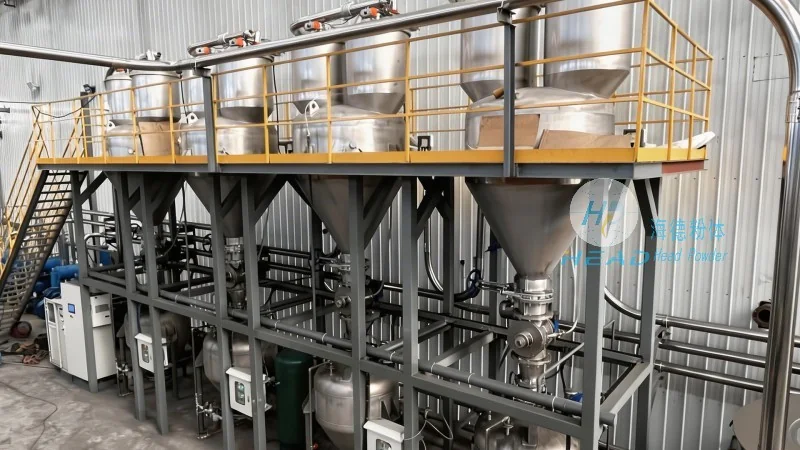
Another critical aspect of the design is the selection of appropriate materials for the conveying equipment. Since calcined sand can be abrasive and corrosive, the components in contact with the material—such as hoppers, pipes, and valves—are constructed from durable materials like stainless steel or high-grade alloys. This not only extends the lifespan of the equipment but also maintains the purity of the calcined sand, which is vital for downstream processes.
Control systems play a pivotal role in the overall performance of calcined sand powder conveying systems. Modern systems often incorporate sensors and automation to monitor flow rates, pressure, and other parameters in real-time. This allows for immediate adjustments to maintain optimal operation, reducing downtime and improving overall efficiency. HeadPowder's expertise in integrating these control systems ensures that clients can achieve precise control over their conveying processes, enhancing both productivity and product quality.
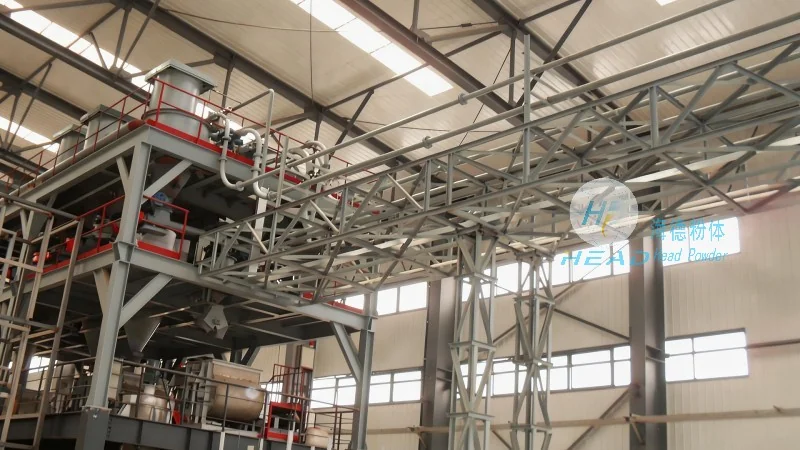
Energy efficiency is a key consideration in the design of calcined sand powder conveying systems. By optimizing the conveyor speed, pressure, and material feed rate, energy consumption can be significantly reduced. HeadPowder employs advanced engineering techniques to achieve this, such as using variable frequency drives (VFDs) to adjust motor speeds based on the actual demand. This not only lowers operational costs but also aligns with sustainability goals, making the system environmentally friendly.
Furthermore, the layout and integration of the conveying system with other processing equipment are essential for seamless operation. A well-designed system ensures that calcined sand is transported smoothly from the storage area to the processing units, minimizing the risk of contamination or loss. HeadPowder's engineers consider the entire production line when designing the conveying system, ensuring that it fits seamlessly into the client's existing infrastructure.
In conclusion, calcined sand powder conveying is a complex but essential process that requires a deep understanding of material properties and engineering principles. HeadPowder's commitment to excellence and innovation has positioned it as a trusted partner in providing tailored solutions for calcined sand powder conveying. By focusing on the design principles that ensure efficient, reliable, and sustainable operation, HeadPowder helps clients optimize their material handling processes and achieve their production goals.

 Shandong Headpowder Engineering Co., Ltd.
 156-6277-7102(Manager Zhang)
  0531-83386006
  Zhangqiu District, Jinan City, Shandong Province, China
telephone
WeChatconsult
top