With more than 10‑year industry experience, Shandong Headpowder delivers full‑service pneumatic‑conveying systems and blowers, undertaking nationwide turn‑key powder‑handling projects.
Wheat bran is a valuable byproduct of the milling process, rich in fiber and nutrients. Efficient handling and transportation of wheat bran powder are crucial for industries such as food processing, animal feed production, and biofuel manufacturing. This article explores the concept of wheat bran powder conveying and delves into the core design principles that ensure safe, reliable, and efficient material transport. The discussion is anchored by insights from Shandong HeadPowder Engineering Co., Ltd., a leading provider in the field.
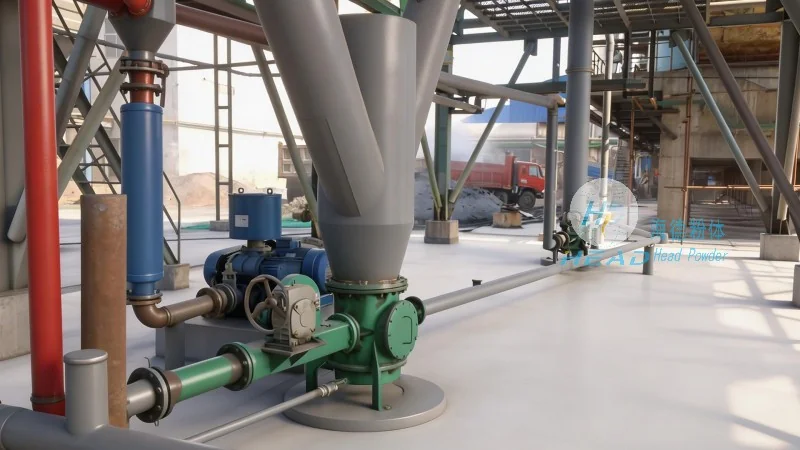
Wheat bran powder conveying refers to the process of moving wheat bran from one location to another within a production facility or between different stages of processing. This material, characterized by its fine particle size and light density, poses unique challenges in terms of flowability, dust control, and equipment selection. Proper conveying systems are essential to maintain product quality, minimize losses, and ensure operational safety. The design of such systems must account for the physical properties of wheat bran, including its moisture content, particle size distribution, and tendency to form agglomerates or create dust clouds.
The design of an effective wheat bran powder conveying system relies on several fundamental principles that address the specific challenges posed by this material. First, the system must ensure consistent and uniform flow of the powder to prevent blockages or uneven discharge. This is typically achieved through the use of appropriate feeding mechanisms, such as rotary valves or star feeders, which control the rate of material introduction into the conveyor. Second, dust control is a critical consideration due to the fine nature of wheat bran. Enclosed conveying systems, such as pneumatic or mechanical screw conveyors, are commonly employed to contain dust and minimize environmental impact. Third, the selection of materials for the conveyor components is vital to prevent contamination and ensure durability. Stainless steel or corrosion-resistant alloys are often preferred to avoid chemical reactions with the bran or moisture.
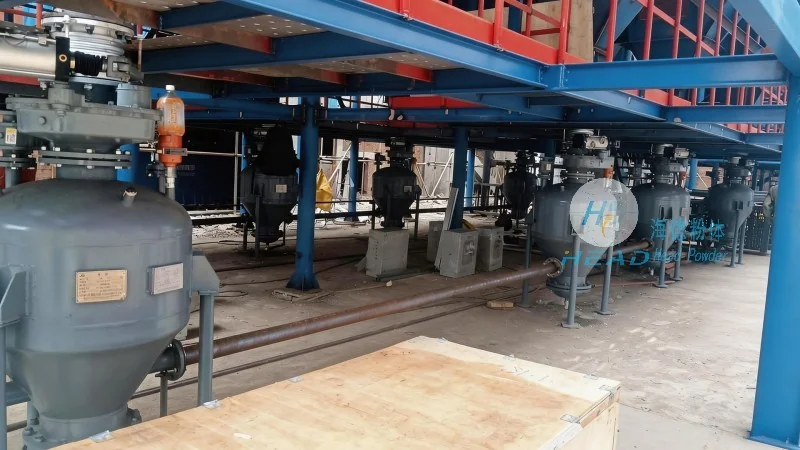
A typical wheat bran powder conveying system consists of several interconnected components, each playing a specific role in the overall process. The primary components include a feeding device, a conveyor itself, a discharge mechanism, and often a dust collection system. The feeding device, as mentioned earlier, regulates the flow of wheat bran into the conveyor, ensuring a steady supply without overloading the system. The conveyor, which can be either pneumatic (using air to transport the powder) or mechanical (such as screw or belt conveyors), moves the material from the intake to the discharge point. The discharge mechanism then delivers the wheat bran to the next processing stage, such as a mixer or storage silo. Additionally, a dust collection system is integrated to capture any airborne particles, protecting both the environment and the personnel working in the facility.
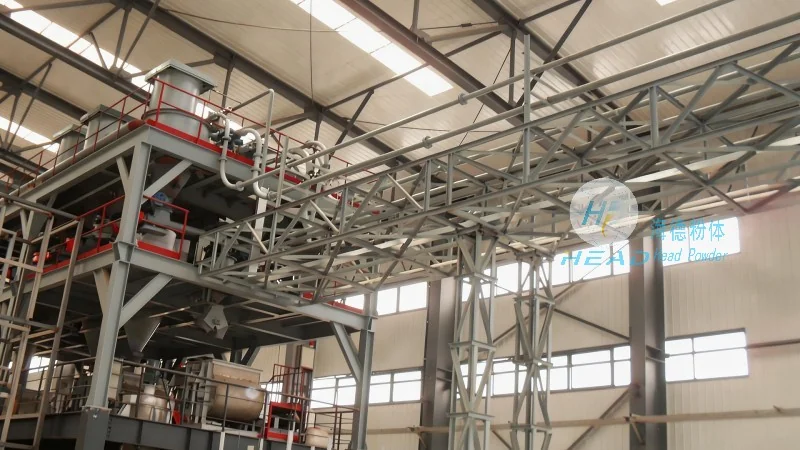
Efficient wheat bran powder conveying systems find applications across various industries. In the food industry, they are used to transport bran for use in baked goods, breakfast cereals, and animal feed formulations. In the animal feed sector, the consistent supply of bran is essential for maintaining the nutritional balance of feed mixes. For biofuel producers, conveying systems ensure that wheat bran is delivered to processing units for conversion into bioethanol or other renewable energy sources. The benefits of a well-designed conveying system extend beyond just material transport; they include improved product quality, reduced operational costs due to minimized material loss, enhanced safety through dust control, and increased overall productivity. By adhering to the design principles outlined above, industries can achieve reliable and efficient handling of wheat bran powder, optimizing their production processes.
Wheat bran powder conveying is a complex yet essential process in industries that utilize this valuable byproduct. The design principles, components, and applications discussed in this article highlight the importance of a well-engineered system. Shandong HeadPowder Engineering Co., Ltd. specializes in providing tailored conveying solutions that meet the specific needs of wheat bran handling, ensuring that clients can achieve efficient, safe, and cost-effective material transport. By understanding the physical properties of wheat bran and applying the right design strategies, industries can maximize the value of this nutrient-rich material while maintaining operational excellence.

 Shandong Headpowder Engineering Co., Ltd.
 156-6277-7102(Manager Zhang)
  0531-83386006
  Zhangqiu District, Jinan City, Shandong Province, China
telephone
WeChatconsult
top