With more than 10‑year industry experience, Shandong Headpowder delivers full‑service pneumatic‑conveying systems and blowers, undertaking nationwide turn‑key powder‑handling projects.
Aggregate powder conveying is a critical process in various industrial sectors, particularly in construction, mining, and manufacturing. It involves the movement of bulk materials like aggregates, powders, and granules from one location to another. The efficiency and reliability of this process directly impact production rates, material handling costs, and overall operational efficiency. For industries dealing with large volumes of such materials, understanding the principles behind effective powder conveying is essential for optimizing operations.
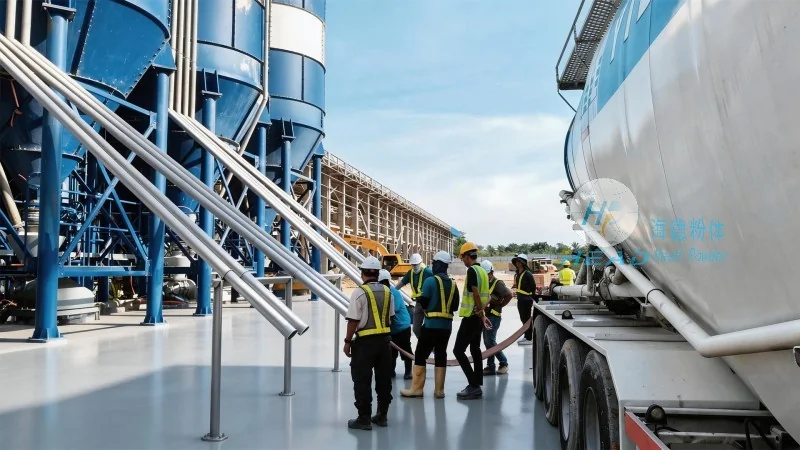
At its essence, aggregate powder conveying relies on the principles of fluidization, air flow, and mechanical transport. The process typically involves feeding the material into a conveying system, where it is either carried by air ( pneumatic conveying) or moved through a pipeline using mechanical components like screws, belts, or buckets. The choice of method depends on factors such as material properties, particle size, moisture content, and the distance to be covered. For example, pneumatic systems are ideal for fine powders and granules, while mechanical systems are more suitable for bulkier aggregates. The goal is to maintain a consistent flow rate, minimize material degradation, and prevent blockages or clogging in the system.
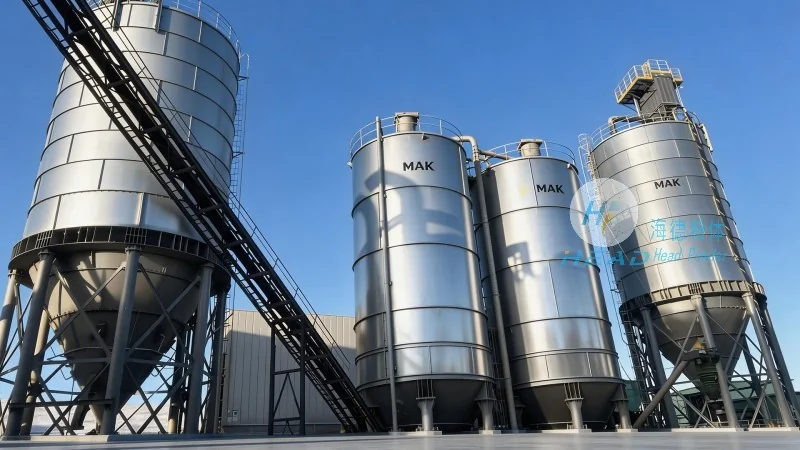
Designing an effective aggregate powder conveying system requires careful consideration of several key principles. First, the system must be tailored to the specific characteristics of the material being handled. This includes understanding the particle size distribution, density, and flowability of the aggregates. For instance, cohesive materials may require additional air pressure or mechanical agitation to ensure smooth transport. Second, the system should be designed to minimize energy consumption while maximizing throughput. This involves optimizing the air velocity, pipeline diameter, and the number of bends or turns in the conveying line. Third, the system must incorporate proper sealing and filtration to prevent dust emissions and maintain material purity. Additionally, redundancy and safety features, such as pressure relief valves and emergency shut-off mechanisms, are crucial for ensuring operational safety.
Shandong HeadPowder Engineering Co., Ltd., commonly known as HeadPowder, is a leading provider of advanced powder conveying solutions. With a strong focus on innovation and customer-centric design, HeadPowder specializes in developing customized systems that meet the unique needs of industrial applications. The company's expertise lies in integrating state-of-the-art technologies, such as high-efficiency pneumatic conveying systems and robust mechanical transport equipment, to deliver reliable and efficient material handling solutions. HeadPowder's team of engineers and technicians work closely with clients to assess their specific requirements, from material properties to operational constraints, and design systems that optimize performance and reduce downtime. The company's commitment to quality and sustainability is reflected in its use of durable materials, energy-efficient components, and environmentally friendly practices.
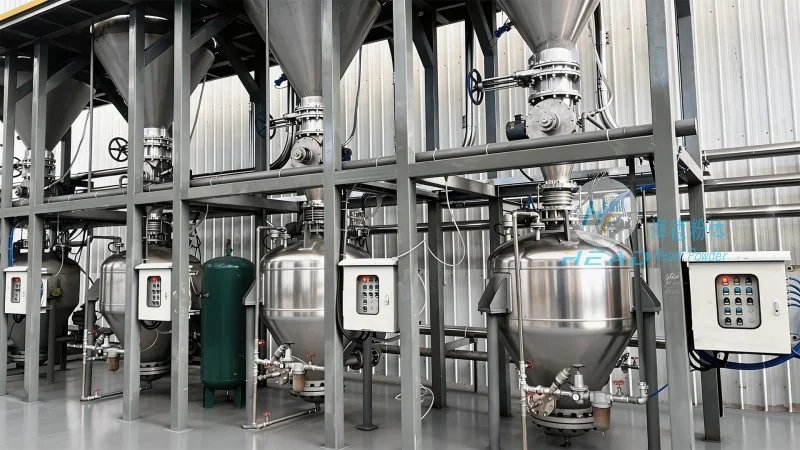
When designing an aggregate powder conveying system, several technical aspects must be addressed to ensure optimal performance. One critical consideration is the selection of the appropriate conveying method. Pneumatic conveying systems are suitable for fine powders and granules, where the material is suspended in air and transported through pipelines. These systems are often preferred for their ability to handle high volumes and long distances with minimal maintenance. On the other hand, mechanical conveying systems, such as screw conveyors or bucket elevators, are ideal for bulkier aggregates and materials with higher moisture content. These systems rely on mechanical components to move the material and are generally more cost-effective for shorter distances. Another important factor is the system's capacity and flow rate. The design must ensure that the conveying rate matches the production rate of the upstream and downstream processes to avoid bottlenecks or overloading. Additionally, the system's layout and integration with existing infrastructure are crucial for minimizing installation costs and ensuring smooth operation. Proper maintenance and regular inspections are also essential to prevent issues such as clogging, wear, and degradation of components.

 Shandong Headpowder Engineering Co., Ltd.
 156-6277-7102(Manager Zhang)
  0531-83386006
  Zhangqiu District, Jinan City, Shandong Province, China
telephone
WeChatconsult
top