With more than 10‑year industry experience, Shandong Headpowder delivers full‑service pneumatic‑conveying systems and blowers, undertaking nationwide turn‑key powder‑handling projects.
Understanding the Pneumatic Conveying System for Lithium Battery Positive and Negative Electrode Materials: Design Principles and Applications
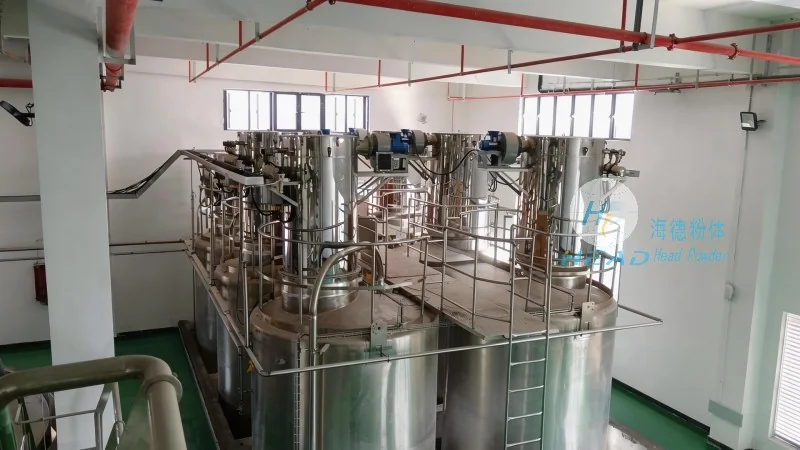
The lithium battery industry has seen remarkable growth, driven by increasing demand for electric vehicles and renewable energy storage solutions. A critical component in the production process is the efficient handling and transportation of positive and negative electrode materials. The pneumatic conveying system equipment, developed by Shandong HeadPowder Engineering Co., Ltd., addresses these needs by providing a reliable, dust-free, and energy-efficient method for material transport. This article explores the functionality of such systems and the underlying design principles that make them effective in industrial settings.
The pneumatic conveying system for lithium battery electrode materials typically consists of several key components that work in tandem to ensure smooth material flow. These include the material feed hopper, which holds the raw electrode powders; the air compressor or blower, which generates the necessary air pressure; the conveying line, which transports the material through pipes; and the discharge hopper or collection system, where the material is deposited. Each component plays a vital role in maintaining the system's efficiency and preventing material degradation or contamination.
The design of a pneumatic conveying system for lithium battery materials is guided by several fundamental principles aimed at optimizing performance and minimizing operational issues. One of the primary principles is maintaining consistent air pressure and flow rates to ensure that the material is conveyed at the desired speed without causing blockages or excessive wear on system components. The system must also be designed to handle the specific properties of the electrode powders, such as their particle size, density, and moisture content, which can affect flow characteristics and system efficiency.
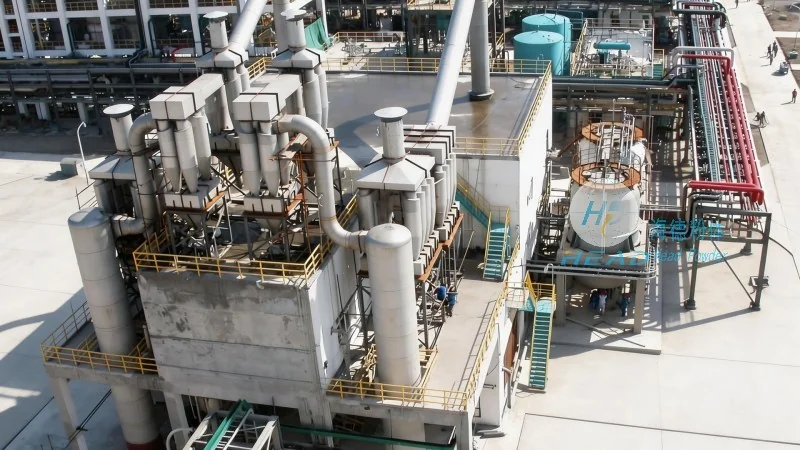
Another critical design principle is the use of appropriate pipe diameters and material, such as stainless steel or food-grade plastic, to prevent material buildup and corrosion. The system may also incorporate features like pulse-jet cleaning or air filtration to maintain cleanliness and prevent dust accumulation, which is essential for both operational safety and product quality. Additionally, the design considers the need for scalability, allowing the system to be adjusted to accommodate varying production volumes and material types.
Implementing a pneumatic conveying system for lithium battery positive and negative electrode materials offers several advantages over traditional methods like bucket elevators or belt conveyors. The most significant benefit is the elimination of direct contact between the material and mechanical components, reducing the risk of contamination and material degradation. This is particularly important for electrode powders, which are sensitive to moisture and oxygen exposure. The system also provides a dust-free environment, enhancing workplace safety and compliance with environmental regulations.
Furthermore, pneumatic conveying systems are highly flexible and can be easily integrated into existing production lines. They can handle a wide range of material types and particle sizes, making them suitable for various stages of the battery manufacturing process, from raw material handling to final product packaging. The energy efficiency of these systems, particularly when using high-efficiency blowers and optimized pipe designs, contributes to lower operational costs and reduced environmental impact.
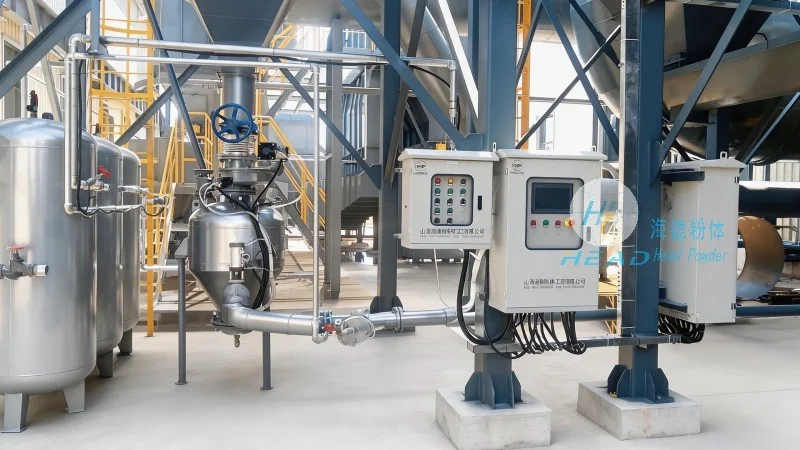
Shandong HeadPowder Engineering Co., Ltd. specializes in designing and manufacturing customized pneumatic conveying systems tailored to the specific requirements of lithium battery manufacturers. The company's expertise lies in understanding the unique challenges of electrode material handling and developing solutions that address these challenges effectively. Whether for small-scale pilot production or large-scale industrial operations, the systems can be scaled to meet the needs of different production capacities and material volumes.
The company's approach to system design emphasizes flexibility and adaptability. This includes the ability to integrate additional features such as material drying or mixing units, as well as advanced control systems that allow for real-time monitoring and adjustment of conveying parameters. By working closely with clients, HeadPowder engineers can develop systems that not only meet current production needs but also accommodate future expansion and technological advancements in the battery industry.
In conclusion, the pneumatic conveying system for lithium battery positive and negative electrode materials is a sophisticated piece of equipment that plays a crucial role in the efficient and safe production of lithium batteries. The design principles behind these systems, including consistent air pressure, appropriate material handling, and dust control, ensure optimal performance and product quality. As the lithium battery industry continues to grow, the importance of reliable material transport systems will only increase, making the expertise of companies like Shandong HeadPowder Engineering Co., Ltd. essential for meeting the demands of modern battery manufacturing.

 Shandong Headpowder Engineering Co., Ltd.
 156-6277-7102(Manager Zhang)
  0531-83386006
  Zhangqiu District, Jinan City, Shandong Province, China
telephone
WeChatconsult
top