With more than 10‑year industry experience, Shandong Headpowder delivers full‑service pneumatic‑conveying systems and blowers, undertaking nationwide turn‑key powder‑handling projects.
Mineral powder handling is a critical aspect of industrial operations, particularly in sectors like mining, chemical processing, and material manufacturing. The efficient and reliable transport of these powders from one location to another is essential for maintaining production efficiency and ensuring product quality. Among the various methods available, pneumatic conveying stands out as a versatile and effective solution for mineral powder transport. This article provides an overview of common mineral powder conveying methods, with a particular focus on pneumatic conveying systems, and highlights the expertise of Shandong HeadPowder Engineering Co., Ltd. from China.
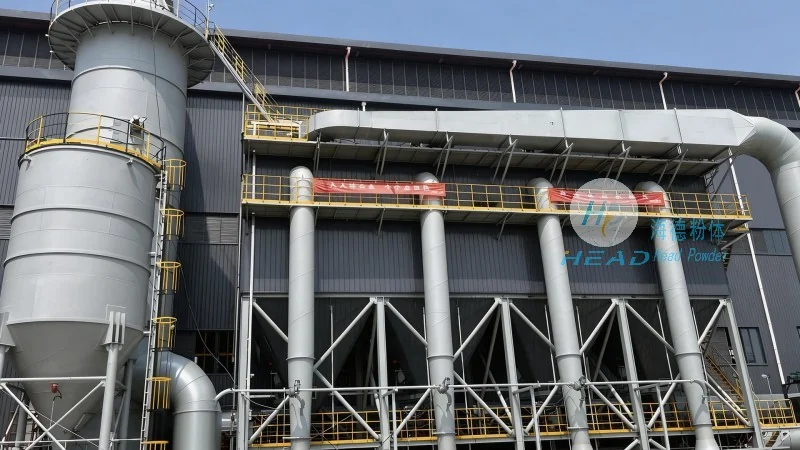
Before delving into specific conveying methods, it's important to understand the challenges associated with mineral powder transport. These powders often have unique properties, such as fine particle size, high moisture content, or abrasive characteristics, which can affect handling and processing. Traditional methods like bucket elevators or belt conveyors may struggle with these characteristics, leading to issues like clogging, material degradation, or increased maintenance costs. Therefore, selecting the right conveying system is crucial for optimizing operational performance and minimizing downtime.
Several methods are commonly used for mineral powder transport, each with its own advantages and limitations. The choice of method depends on factors such as the type of material, the distance to be covered, the required flow rate, and the environmental constraints. The primary methods include:
Mechanical conveyors are among the most traditional and widely used methods for transporting bulk materials, including mineral powders. Belt conveyors use a continuous belt to move materials horizontally or at a slight incline, making them suitable for long-distance transport. Screw conveyors, also known as augers, use a rotating screw to push materials forward, ideal for vertical or horizontal transport in confined spaces. Bucket elevators, on the other hand, use a series of buckets attached to a chain or belt to lift materials vertically. While these systems are relatively simple and cost-effective, they may face challenges with fine powders, as they can lead to material spillage, clogging, and increased wear and tear.
Hydraulic conveying systems utilize water or other liquids to transport mineral powders through pipelines. The powder is suspended in the liquid and carried to the destination. This method is particularly effective for transporting materials over long distances or in hilly terrains. However, hydraulic systems require significant energy input for pumping the liquid and may pose environmental concerns due to the need for water treatment and disposal. Additionally, the equipment can be complex and expensive to maintain.
Pneumatic conveying systems use air or other gases to transport mineral powders through a pipeline network. This method offers several advantages over mechanical or hydraulic systems, including the ability to handle fine powders without clogging, reduced material degradation, and lower maintenance requirements. Pneumatic systems can be categorized into two main types: pressure and vacuum. Pressure systems use compressed air to push the material through the pipeline, while vacuum systems use a vacuum to draw the material from the source. The choice between pressure and vacuum depends on the specific application, with pressure systems being more suitable for short to medium distances and high flow rates, and vacuum systems better for long distances or when the material needs to be transported from multiple sources.
Regardless of the type of pneumatic system, several key components are essential for its operation. These include:
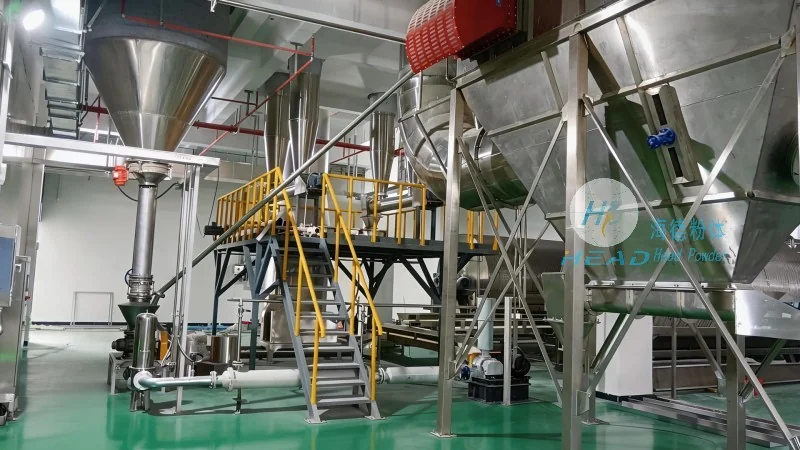
The pipeline network is the backbone of the system, responsible for transporting the mineral powder from the source to the destination. The material is suspended in the air stream and carried through the lines. The design of the pipeline, including the diameter, length, and bends, is critical for maintaining the flow rate and preventing clogging. Properly sized and maintained lines ensure efficient and reliable transport.
Compressed air or vacuum is supplied to the system through air compressors or vacuum pumps. The air supply system must be capable of providing the required pressure or vacuum levels consistently. Control systems, such as valves and regulators, are used to manage the flow of air and the material, ensuring smooth operation and preventing overloading or underloading of the system.
Feeders are used to introduce the mineral powder into the conveying line at a controlled rate. This is crucial for maintaining a consistent flow rate and preventing surges or drops in material delivery. Common feeder types include rotary valves, screw feeders, and vibratory feeders. The choice of feeder depends on the properties of the material, such as particle size, flowability, and moisture content.
At the destination, separators and filters are used to separate the mineral powder from the air stream. This is important for maintaining product quality and preventing dust emissions. The separator may include cyclones, bag filters, or electrostatic precipitators, depending on the specific requirements of the application.
Pneumatic conveying systems offer several advantages that make them a preferred choice for mineral powder transport. These include:
Pneumatic systems can handle a wide range of materials, from fine powders to coarse granules, and can be adapted to various operational conditions. The ability to change the system configuration, such as adding or removing lines, allows for flexibility in accommodating changing production needs.
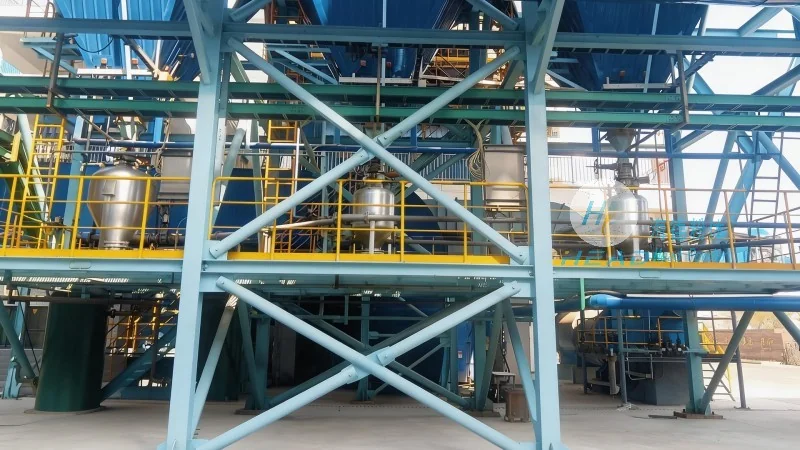
Unlike mechanical conveyors, which can cause abrasion and breakage of particles, pneumatic systems use air to transport materials, minimizing the risk of degradation. This is particularly important for sensitive materials that require high purity, such as pharmaceuticals or food products.
Pneumatic systems have fewer moving parts compared to mechanical conveyors, resulting in lower maintenance requirements and reduced downtime. The absence of belts, chains, or buckets also reduces the risk of mechanical failure and associated repair costs.
Pneumatic conveying systems are enclosed, which helps to contain dust and prevent environmental contamination. This is a significant advantage in industries where dust control is a regulatory requirement. Additionally, the system can be equipped with filters and scrubbers to further reduce emissions and ensure compliance with environmental standards.
Shandong HeadPowder Engineering Co., Ltd., based in China, is a leading provider of mineral powder conveying solutions. With years of experience in the industry, the company specializes in designing, manufacturing, and installing pneumatic conveying systems tailored to the specific needs of its clients. The company's expertise lies in understanding the unique challenges of mineral powder handling and developing customized solutions that optimize operational performance and reduce costs.
HeadPowder engineers work closely with clients to assess their material properties, production requirements, and operational constraints. This collaborative approach ensures that the final system is efficient, reliable, and cost-effective. The company's products and services cover a wide range of applications, from small-scale laboratory setups to large-scale industrial plants. Whether it's a new installation or an upgrade to an existing system, HeadPowder provides comprehensive support, including design, installation, and maintenance services.
Choosing the right mineral powder conveying method is critical for optimizing industrial operations. While mechanical and hydraulic systems have their place, pneumatic conveying systems offer significant advantages in terms of efficiency, flexibility, and reliability. For many applications, especially those involving fine powders or sensitive materials, pneumatic systems are the preferred choice. With the expertise of companies like Shandong HeadPowder Engineering Co., Ltd., businesses can ensure that their mineral powder transport systems are designed and implemented to meet the highest standards of performance and safety.

 Shandong Headpowder Engineering Co., Ltd.
 156-6277-7102(Manager Zhang)
  0531-83386006
  Zhangqiu District, Jinan City, Shandong Province, China
telephone
WeChatconsult
top