With more than 10‑year industry experience, Shandong Headpowder delivers full‑service pneumatic‑conveying systems and blowers, undertaking nationwide turn‑key powder‑handling projects.
Biomass pneumatic conveying systems are essential for the efficient handling and transportation of bulk materials, particularly in industrial applications involving biomass feedstocks. These systems utilize air or other gases to move solid particles through a pipeline network, offering a flexible and often cost-effective solution compared to traditional mechanical conveyors. The core of such a system lies in its ability to transport materials from one location to another without the need for physical contact, which is particularly advantageous for materials that are abrasive, dusty, or have varying particle sizes.
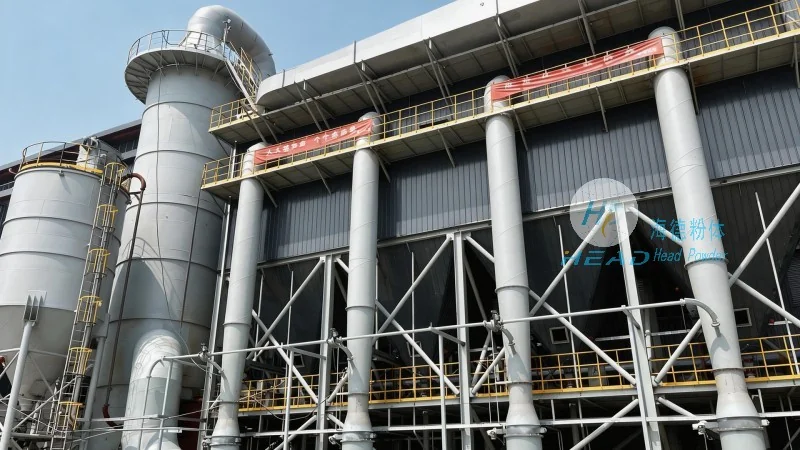
At the heart of any biomass pneumatic conveying system are several critical components that work in concert to ensure reliable operation. The primary components include the material feed hopper, which stores and feeds the biomass into the system; the air or gas source, typically a blower or compressor, which provides the necessary pressure to move the material; the conveying pipeline, which forms the path for the material and air mixture; and the control system, which regulates the flow and pressure to maintain optimal performance. Additionally, the system may include accessories such as filters, cyclones for separation, and silos for material storage, depending on the specific application requirements.
The design of a biomass pneumatic conveying system is governed by several key principles aimed at maximizing efficiency, minimizing energy consumption, and ensuring the longevity of the equipment. One of the fundamental principles is the selection of the appropriate air velocity, which must be high enough to entrain the material particles but low enough to prevent excessive wear on the pipeline and components. The system's design also considers the material's properties, such as particle size, density, and moisture content, as these factors directly impact the conveying capacity and the required air pressure. For instance, materials with larger particles may require higher air velocities to achieve effective transport, while materials with high moisture content might need additional drying or conditioning steps to prevent clogging or corrosion.
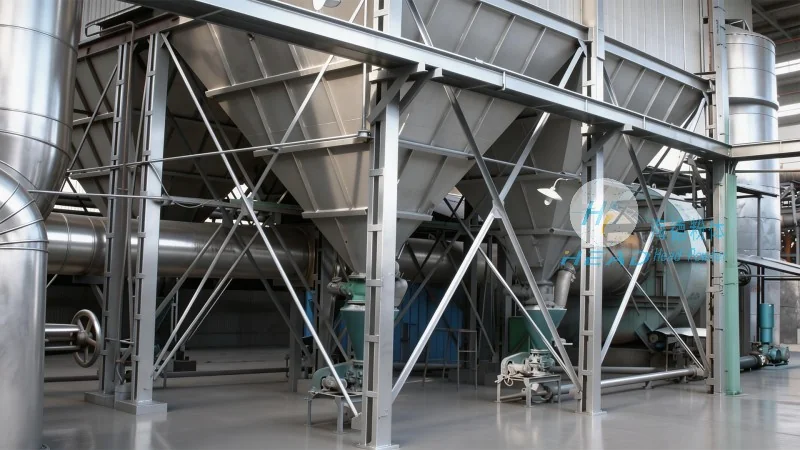
Understanding the operational sequence of a biomass pneumatic conveying system helps in appreciating its functionality. The process typically begins with the biomass being fed into the material hopper from a storage silo or direct source. The hopper then releases the material into the conveying pipeline as the air or gas is introduced from the blower. The air, moving at a high velocity, creates a suction effect that pulls the material particles into the pipeline, forming a mixture of air and solids. This mixture travels through the pipeline to the discharge point, where it is separated from the air. The separated material is then deposited into the receiving container, while the air is either recirculated back into the system or vented to the atmosphere, depending on the system configuration. The control system continuously monitors parameters such as pressure, flow rate, and material level to adjust the operation in real-time, ensuring consistent performance.
Compared to traditional mechanical conveyors, biomass pneumatic conveying systems offer several distinct advantages that make them a preferred choice in many industrial settings. One of the most significant benefits is the flexibility in layout, as the system can be easily reconfigured or expanded by adding additional pipelines or branches without major structural changes. This adaptability is particularly valuable in facilities where production processes may evolve over time. Another advantage is the reduced risk of material contamination, as the enclosed pipeline system prevents exposure to external elements and minimizes the risk of cross-contamination between different materials. Furthermore, pneumatic conveying systems can handle a wide range of material types, including powders, granules, and even bulk solids, making them versatile for various biomass applications such as biofuel production, animal feed processing, and agricultural product handling.
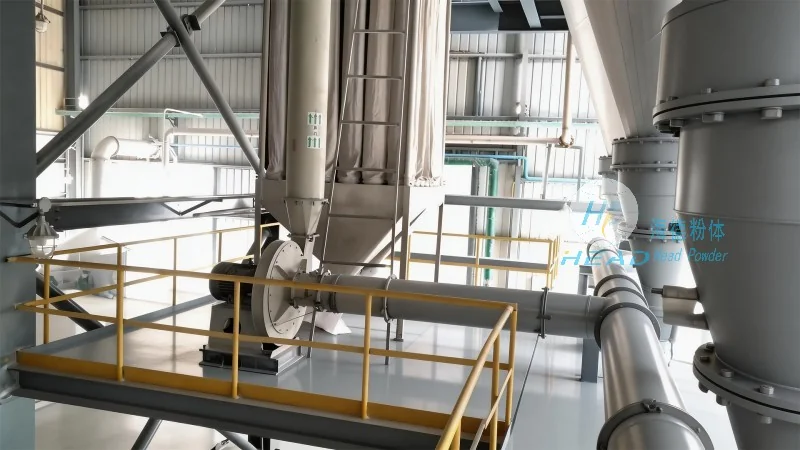
Biomass pneumatic conveying systems find extensive applications across the biomass industry, contributing to the efficient processing and transportation of biomass feedstocks. In biofuel production, these systems are commonly used to transport raw biomass materials from storage to processing units, such as pelletizers or gasifiers. The ability to handle large volumes of material with minimal labor makes them ideal for high-throughput operations. In animal feed processing, the systems ensure that feed ingredients are conveyed safely and hygienically from storage to mixing and packaging areas, maintaining product quality and preventing contamination. Additionally, in agricultural product handling, pneumatic conveying systems are utilized to transport harvested crops, such as corn or soybeans, from fields to processing facilities, streamlining the supply chain and reducing handling time.
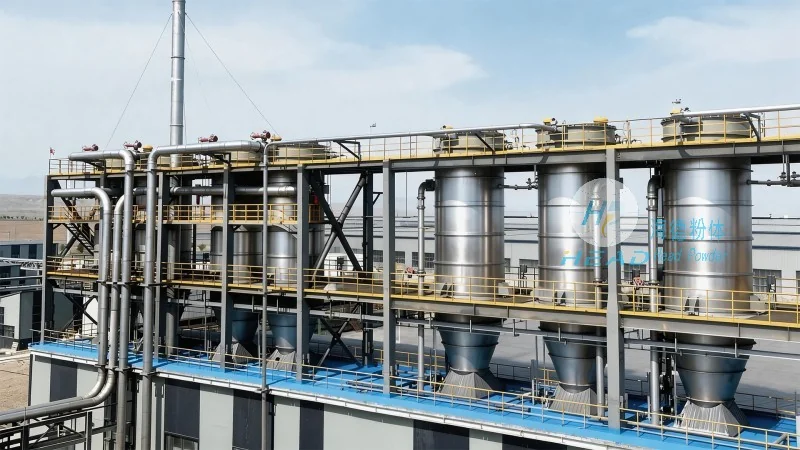
When designing and installing a biomass pneumatic conveying system, several factors must be carefully considered to ensure optimal performance and longevity. The first consideration is the selection of the appropriate air velocity and pressure, which must be tailored to the specific material properties and conveying distance. For longer distances or larger particle sizes, higher air velocities and pressures may be required to maintain effective transport. Another critical factor is the material of construction, as the pipeline and components must be resistant to corrosion and wear caused by the biomass particles. Stainless steel is often preferred for its durability and resistance to chemical and mechanical stress. Additionally, the system's layout should be designed to minimize bends and changes in direction, as excessive bends can cause material buildup and increase energy consumption. Proper maintenance, including regular cleaning and inspection of components, is also essential to prevent clogging and ensure consistent operation.
Biomass pneumatic conveying systems play a vital role in modern industrial processes, providing an efficient and reliable means of handling and transporting biomass materials. By leveraging the principles of pneumatic transport, these systems offer advantages such as flexibility, reduced contamination risk, and adaptability to various material types. As the demand for biomass-based products continues to grow, the importance of these systems in the biomass industry will only increase. With proper design, installation, and maintenance, biomass pneumatic conveying systems can deliver long-term performance and contribute to the overall efficiency of biomass processing operations.

 Shandong Headpowder Engineering Co., Ltd.
 156-6277-7102(Manager Zhang)
  0531-83386006
  Zhangqiu District, Jinan City, Shandong Province, China
telephone
WeChatconsult
top