With more than 10‑year industry experience, Shandong Headpowder delivers full‑service pneumatic‑conveying systems and blowers, undertaking nationwide turn‑key powder‑handling projects.
Aluminum sulfate, a widely used chemical in water treatment and other industrial processes, often requires efficient and reliable transportation methods. Pneumatic conveying is a technology that addresses this need by transporting bulk materials like aluminum sulfate through a pipeline using air or other gases. This article explores the concept of aluminum sulfate pneumatic conveying and delves into the core design principles that underpin its successful implementation.
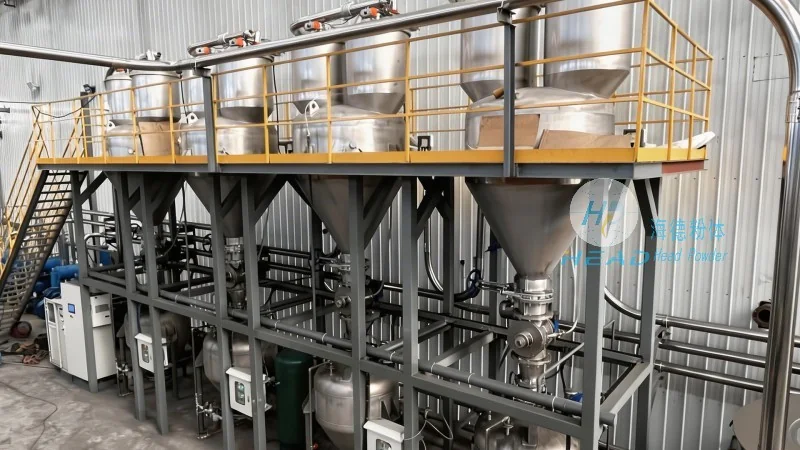
Aluminum sulfate, also known as alum, is a white crystalline solid that is hygroscopic and soluble in water. It is commonly used in water treatment to coagulate and remove suspended particles, in paper manufacturing as a sizing agent, and in various other industrial applications. Due to its granular or powder form, handling aluminum sulfate efficiently is crucial to maintain process efficiency and minimize material loss. Traditional methods like belt conveyors or bucket elevators may not be suitable for fine powders or when long-distance transport is required, as they can lead to material degradation, dust issues, or operational inefficiencies.
Pneumatic conveying offers a flexible and effective solution for transporting aluminum sulfate. This technology uses compressed air or other gases to move the material through a pipeline, eliminating the need for mechanical components that might cause wear or contamination. The system typically consists of a hopper, a feeder, a pipeline, and a receiver, with optional components like cyclones or filters to separate the material from the air stream. The choice between positive pressure and negative pressure systems depends on the application, material characteristics, and distance of transport. Positive pressure systems push the material through the pipeline using a blower, while negative pressure systems draw the material into the system using a vacuum.

The success of an aluminum sulfate pneumatic conveying system hinges on several critical design principles. First, the material's properties must be thoroughly understood. Aluminum sulfate is a fine powder with a certain bulk density and flowability, which influences the system's capacity and pressure requirements. The system must be designed to handle these properties without causing blockages or excessive pressure drops. Second, the pipeline design is paramount. The diameter and length of the pipeline, along with the number of bends and fittings, directly impact the system's efficiency. Properly sized pipelines minimize pressure losses and ensure smooth material flow. Third, the air flow rate and pressure must be optimized. An appropriate air-to-material ratio is essential to maintain the material in suspension and prevent deposition. This ratio depends on the material's characteristics and the system's configuration. Fourth, the system must incorporate effective dust control measures. Aluminum sulfate is a fine powder that can generate dust during transport, which poses health and safety risks. Filtration systems and dust collection devices are integral to maintaining a safe and clean environment.
Each component of a pneumatic conveying system plays a vital role in the efficient transport of aluminum sulfate. The hopper serves as a storage vessel, holding the material before it is fed into the system. It is typically designed with a conical bottom to facilitate material flow and prevent bridging. The feeder, often a rotary valve or a screw feeder, regulates the flow rate of the material into the pipeline. This component ensures a consistent and controlled feed, preventing surges or blockages. The pipeline itself is the conduit for the material and air, and its design must account for the material's properties and the system's operating conditions. The receiver, or discharge hopper, collects the material at the end of the pipeline, allowing it to be discharged into a storage or processing vessel. Optional components like cyclones or filters are used to separate the material from the air stream, ensuring that the material is collected efficiently and that the air is cleaned before being discharged.
Pneumatic conveying offers several advantages over traditional transport methods for aluminum sulfate. One of the primary benefits is the ability to transport the material in a closed system, which prevents dust contamination and protects the material from moisture and other environmental factors. This is particularly important for aluminum sulfate, which is hygroscopic and can degrade if exposed to moisture. Another advantage is the flexibility of the system, as it can be easily modified to accommodate changes in material flow rates or transport distances. Pneumatic conveying also reduces the need for mechanical components, which can lead to lower maintenance costs and longer system lifespans. Additionally, the system can be integrated with other processes, such as water treatment or paper manufacturing, to streamline operations and improve overall efficiency.
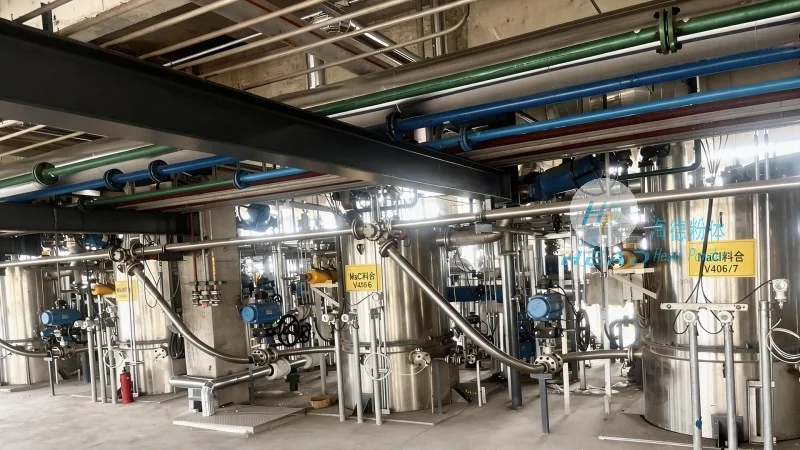
When installing and maintaining a pneumatic conveying system for aluminum sulfate, several considerations are essential to ensure optimal performance. First, the system must be properly sized to handle the expected material flow rates and transport distances. Overloading the system can lead to increased pressure drops and potential blockages. Second, the pipeline must be properly supported and secured to prevent sagging or vibration, which can cause material deposition or damage to the system. Third, regular maintenance is crucial to prevent system failures. This includes cleaning the filters and cyclones, checking the air pressure and flow rates, and inspecting the feeder and hopper for wear or damage. Proper maintenance ensures that the system operates efficiently and reliably, minimizing downtime and maximizing productivity.
In conclusion, aluminum sulfate pneumatic conveying is a critical technology for efficiently transporting this important chemical. The design principles outlined above, including an understanding of material properties, proper pipeline design, optimized air flow, and effective dust control, are essential for the successful implementation of a pneumatic conveying system. By adhering to these principles and properly maintaining the system, industries can achieve efficient, reliable, and cost-effective transport of aluminum sulfate, improving overall process performance and productivity. As a leading provider in this field, Shandong HeadPowder Engineering Co., Ltd. specializes in designing and manufacturing pneumatic conveying systems tailored to the specific needs of aluminum sulfate and other bulk materials, ensuring optimal performance and customer satisfaction.

 Shandong Headpowder Engineering Co., Ltd.
 156-6277-7102(Manager Zhang)
  0531-83386006
  Zhangqiu District, Jinan City, Shandong Province, China
telephone
WeChatconsult
top