

What is Fluorite Pneumatic Conveying? Understanding Its Design Principles
Fluorite, also known as calcium fluoride (CaF₂), is a widely used mineral in various industrial applications, particularly in the chemical and mining sectors. When it comes to transporting this material, pneumatic conveying systems offer an efficient and effective solution. This article delves into the concept of fluorite pneumatic conveying and explores the fundamental design principles that underpin such systems, highlighting the expertise of Shandong HeadPowder Engineering Co., Ltd., a leading provider in the field.
Introduction to Fluorite Pneumatic Conveying
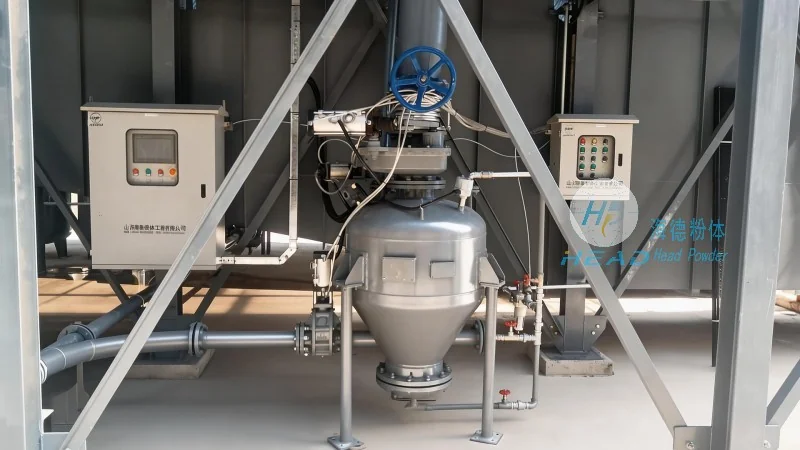
Pneumatic conveying, or air conveying, is a method of transporting bulk materials through a pipeline using a stream of air. In the case of fluorite, this technique is crucial for handling its fine particles and ensuring a smooth, continuous flow. The process involves feeding the fluorite material into a hopper, where it is then drawn into a pipeline by a vacuum or pressure created by a fan or blower. The material is carried along by the air stream, reaching the destination point such as a storage silo or processing unit. This method eliminates the need for mechanical components like belts or buckets, reducing maintenance and increasing operational efficiency.
Key Design Considerations for Fluorite Pneumatic Conveying Systems
The successful design of a fluorite pneumatic conveying system requires careful consideration of several factors, including material properties, system configuration, and operational parameters. Shandong HeadPowder Engineering Co., Ltd. specializes in tailoring these systems to meet the specific needs of clients, ensuring optimal performance and reliability.
Material Properties and Their Impact on Conveying
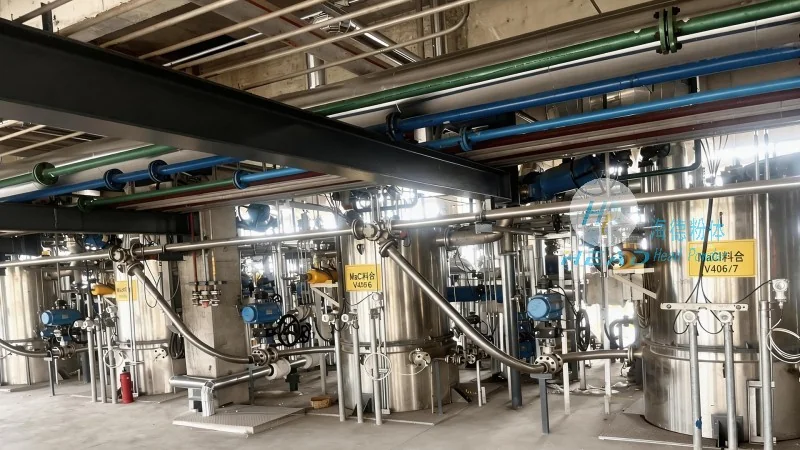
Fluorite particles typically exhibit a certain size distribution, density, and abrasiveness, which directly influence the design of the conveying system. The particle size affects the air velocity required to maintain suspension and prevent blockages. For example, finer particles may require higher air velocities to avoid settling or clogging in the pipeline. The density of fluorite influences the pressure drop across the system, as denser materials exert more force on the air stream. Abrasiveness is another critical factor, as fluorite can be quite hard, leading to wear on the pipeline and components. Therefore, materials such as stainless steel or special alloys are often used for the pipeline and fittings to withstand the abrasive nature of the material.
System Configuration and Components
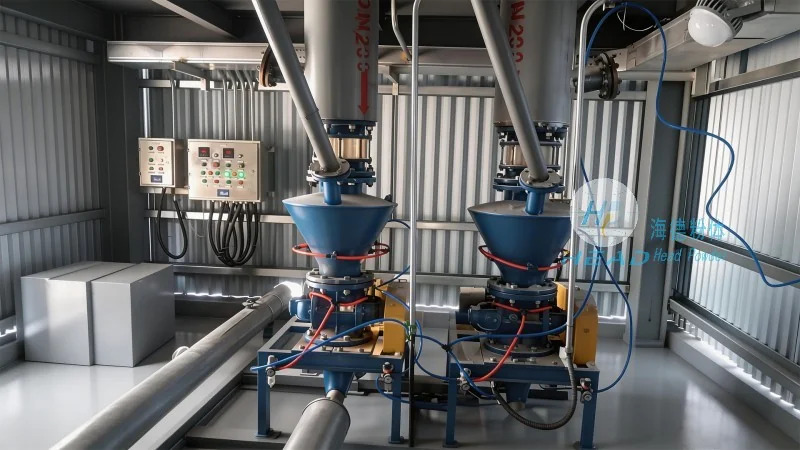
A typical fluorite pneumatic conveying system consists of several key components, each playing a vital role in the overall operation. These include the hopper or feeder, the conveying line, the fan or blower, and the receiver or silo. The hopper is designed to feed the fluorite material into the system at a controlled rate, preventing overloading and ensuring a steady flow. The conveying line is usually made of durable materials to withstand the abrasive nature of fluorite and the pressure or vacuum conditions. The fan or blower provides the necessary air flow, either by creating a vacuum (in suction systems) or pressure (in pressure systems). The receiver is where the fluorite is deposited, often equipped with a discharge valve to control the release of the material.
Design Principles for Efficient and Reliable Operation
Shandong HeadPowder Engineering Co., Ltd. adheres to several core design principles to ensure the efficiency and reliability of fluorite pneumatic conveying systems. These principles include maintaining appropriate air velocities to keep particles suspended, minimizing pressure drops to reduce energy consumption, and ensuring proper pipeline sizing to prevent blockages. The system is also designed to handle variations in material flow rates and particle size, ensuring consistent performance under different operating conditions. Additionally, the use of advanced control systems allows for real-time monitoring and adjustment of the conveying parameters, enhancing overall system performance and reducing downtime.
Advantages of Fluorite Pneumatic Conveying
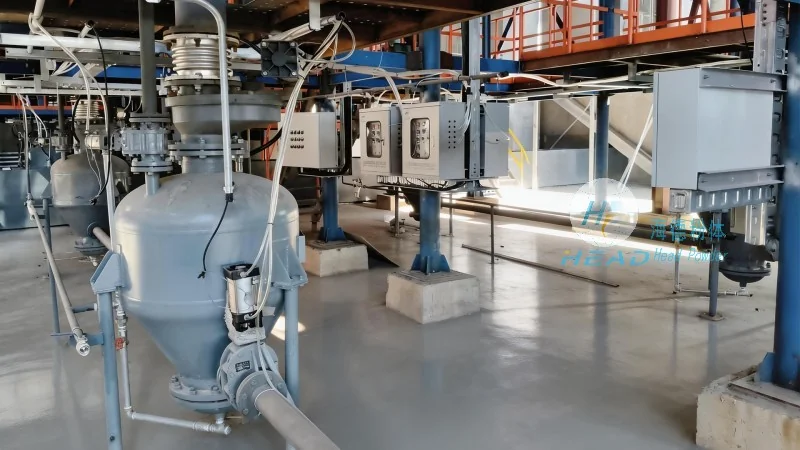
Implementing a fluorite pneumatic conveying system offers several advantages over traditional mechanical conveying methods. These include reduced maintenance costs due to the absence of moving parts, improved safety as there are no exposed mechanical components, and enhanced flexibility in system layout. The system can be easily integrated into existing facilities, and its ability to handle fine particles without segregation makes it ideal for applications where material purity is critical. Furthermore, the energy efficiency of pneumatic conveying systems, especially when optimized for fluorite properties, contributes to lower operational costs and a smaller environmental footprint.
Conclusion
Fluorite pneumatic conveying is a sophisticated and efficient method for transporting calcium fluoride, leveraging the principles of air flow and material handling. With the expertise of companies like Shandong HeadPowder Engineering Co., Ltd., these systems can be designed and implemented to meet the specific requirements of various industrial applications. By understanding the material properties, system components, and design principles, industries can benefit from reliable, cost-effective, and environmentally friendly material transport solutions.