With more than 10‑year industry experience, Shandong Headpowder delivers full‑service pneumatic‑conveying systems and blowers, undertaking nationwide turn‑key powder‑handling projects.
Graphite lumps pneumatic conveying is a specialized method used to transport graphite particles through a pipeline using air or other gas as the conveying medium. This technology is particularly important in industries where graphite is processed, such as refractory manufacturing, battery production, and carbon products processing. Understanding the principles behind this system is crucial for optimizing material handling efficiency and ensuring safe operation.
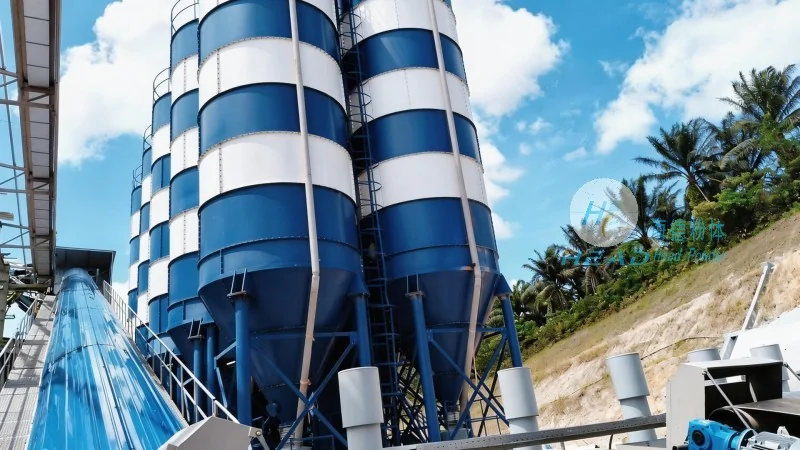
Graphite lumps, often in the form of irregularly shaped or crushed pieces, present unique challenges for material transport due to their density, particle size, and potential for dust generation. Traditional conveying methods like belt conveyors or screw conveyors may not be suitable for handling these materials efficiently, especially when dealing with large volumes or long distances. Pneumatic conveying offers a solution by utilizing air pressure to move the material through a sealed system, minimizing contamination and reducing the risk of material degradation.
Designing an effective pneumatic conveying system for graphite lumps involves several key principles that ensure optimal performance. The first principle is the selection of the appropriate conveying medium, typically air, which is chosen for its low cost and ability to handle a wide range of particle sizes. The system design must consider the particle size distribution, density, and flow characteristics of the graphite lumps to determine the required air velocity and pressure.
Another critical principle is the configuration of the pipeline system. The pipeline diameter, length, and bends all impact the pressure drop and overall efficiency of the conveying process. For graphite lumps, which can be abrasive, the pipeline material must be selected to withstand wear and prevent clogging. Common materials include stainless steel or high-grade plastic, depending on the specific application and material properties.
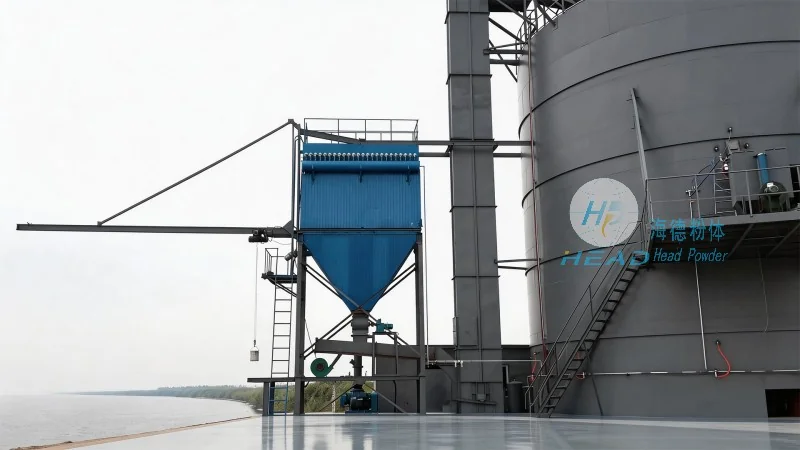
The system also includes components such as feeders, cyclones, and dust collectors. The feeder is responsible for introducing the graphite lumps into the pipeline at a controlled rate, ensuring a consistent flow. Cyclones are used to separate the conveyed material from the air stream, allowing the graphite to be collected at the destination. Dust collectors are essential for capturing any fine particles that may escape, maintaining air quality and compliance with environmental regulations.
Several factors influence the performance of a graphite lumps pneumatic conveying system. The air velocity is a primary factor, as it must be high enough to overcome the resistance of the particles in the pipeline but not so high as to cause excessive pressure drop or material degradation. The pressure drop along the pipeline is another critical parameter, as it determines the energy required to operate the system and the overall efficiency.
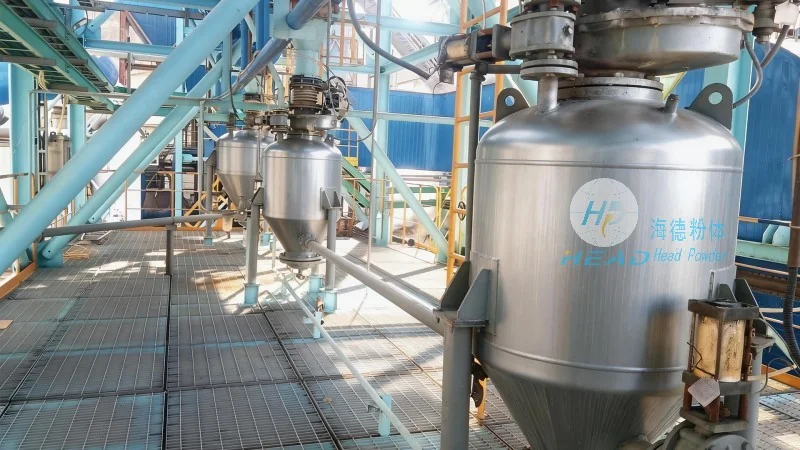
The particle size and density of the graphite lumps also play a significant role. Larger or denser particles may require higher air velocities and pressures to be conveyed effectively. Additionally, the moisture content of the graphite can affect its flow characteristics and the system's performance, as moisture can cause clogging or increase the risk of dust generation.
Graphite lumps pneumatic conveying systems are widely used in various industrial applications. In the refractory industry, these systems are used to transport graphite raw materials to production lines, ensuring a continuous and efficient supply of material. In battery manufacturing, the system helps in transporting graphite powders for electrode production, where precision and cleanliness are paramount. The benefits of using pneumatic conveying include reduced labor costs, improved material handling efficiency, and enhanced safety by minimizing manual handling of potentially hazardous materials.
Graphite lumps pneumatic conveying is a sophisticated technology that combines engineering principles with material science to achieve efficient and safe material transport. By understanding the design principles and key factors influencing system performance, manufacturers can optimize their operations and improve overall productivity. As a leading provider in this field, Shandong HeadPowder Engineering Co., Ltd. specializes in designing and manufacturing customized pneumatic conveying systems tailored to the specific needs of graphite processing industries.

 Shandong Headpowder Engineering Co., Ltd.
 156-6277-7102(Manager Zhang)
  0531-83386006
  Zhangqiu District, Jinan City, Shandong Province, China
telephone
WeChatconsult
top