With more than 10‑year industry experience, Shandong Headpowder delivers full‑service pneumatic‑conveying systems and blowers, undertaking nationwide turn‑key powder‑handling projects.
Perlite sand, a lightweight aggregate widely used in construction and industrial applications, requires efficient and reliable conveying systems to ensure smooth material handling. The choice of conveying method significantly impacts operational efficiency, cost, and safety. This article provides a detailed comparison of common perlite sand conveying methods, highlighting their advantages and disadvantages to help industry professionals make informed decisions.
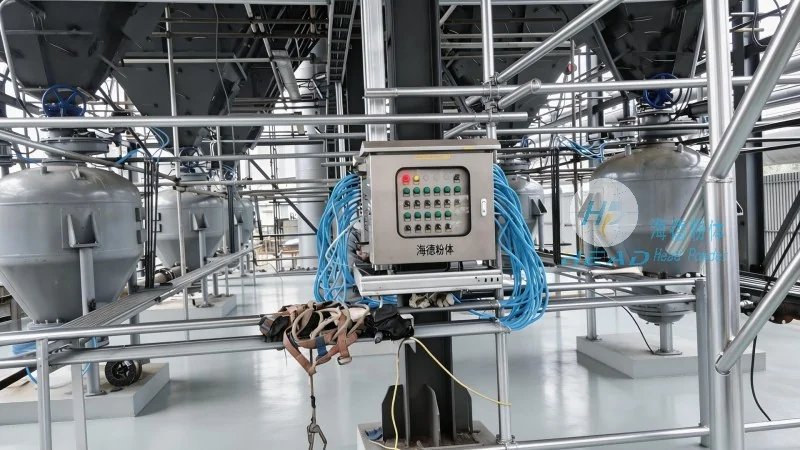
Perlite sand, derived from volcanic glass, is characterized by its low density and high thermal resistance. Its unique properties make it an ideal material for lightweight concrete, insulation, and filtration applications. However, due to its fine texture and lightweight nature, transporting perlite sand presents challenges such as dust generation, material segregation, and the need for gentle handling to maintain product integrity. Effective conveying systems must address these challenges while optimizing for speed, energy efficiency, and cost-effectiveness.
Conveyor belt systems remain one of the most widely used methods for transporting perlite sand. These systems typically consist of a continuous belt that moves material from a loading point to a discharge point. The primary advantage of conveyor belts is their ability to handle large volumes of material over long distances with minimal maintenance. They are particularly suitable for horizontal or slightly inclined applications, making them ideal for bulk material handling in industrial settings.
However, conveyor belts have several drawbacks when used with perlite sand. The lightweight nature of the material can lead to belt slip or uneven distribution, requiring additional tensioning mechanisms and higher power consumption. Dust control is another critical issue, as perlite sand particles are easily airborne, posing health risks and operational hazards. Moreover, the belts themselves may require frequent cleaning and replacement to prevent material buildup, increasing long-term operational costs.
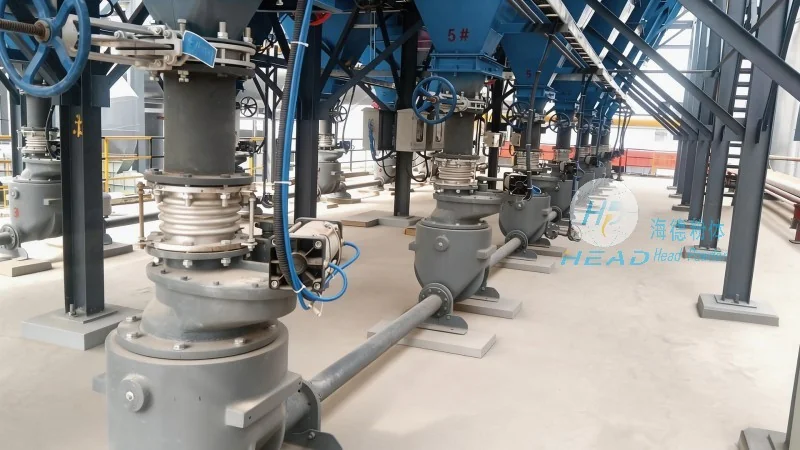
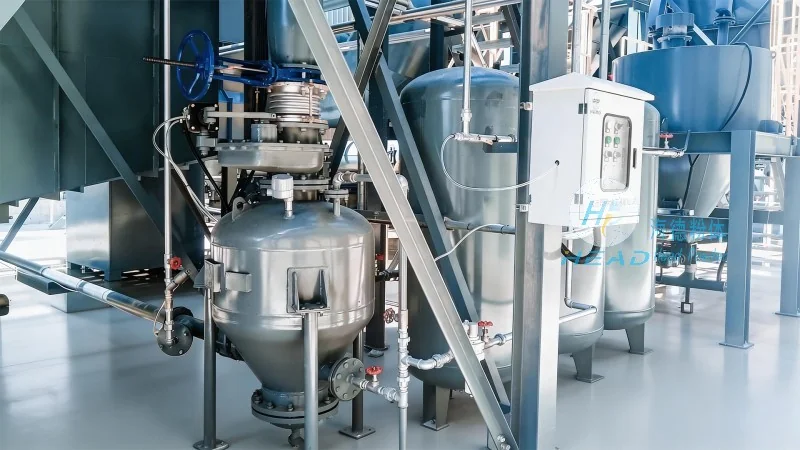
Pneumatic conveying systems use air pressure to transport perlite sand through a network of pipes. This method is particularly effective for fine or dusty materials like perlite sand, as it minimizes material contact with equipment and reduces the risk of segregation. The primary advantage of pneumatic conveying is its ability to handle materials over long vertical or horizontal distances with high accuracy and minimal product degradation. It also allows for enclosed systems, which effectively control dust and improve workplace safety.
Despite these benefits, pneumatic conveying has significant limitations. The system requires high air pressure and energy consumption, making it less cost-effective for large-scale operations. Additionally, the equipment is more complex and prone to wear and tear, particularly in the air valves and piping. Moreover, the system may experience pressure drops over long distances, reducing material flow rates and requiring additional booster fans. These factors limit the practicality of pneumatic conveying for very large volumes of perlite sand.
Bucket elevators are specialized conveying systems designed for vertical transport of materials, including perlite sand. These systems use a continuous chain with attached buckets that move material upward in a vertical shaft. The primary advantage of bucket elevators is their ability to handle vertical lifts with minimal material degradation, as the buckets gently lift and discharge the material without impact. This is particularly beneficial for perlite sand, which is sensitive to mechanical stress and can break down under harsh handling.
However, bucket elevators have several disadvantages. They are primarily designed for vertical transport and are less suitable for horizontal or inclined applications. The equipment is more complex and requires regular maintenance to ensure proper bucket alignment and chain tension. Additionally, the vertical design limits the system's capacity and may require multiple units for large-scale operations. The high cost of installation and maintenance also makes bucket elevators less attractive for smaller-scale applications.
Hydraulic conveying systems use water to transport perlite sand, typically in a slurry form. This method is particularly effective for wet or moist perlite sand, as it allows for the combination of material and water to create a stable slurry that can be pumped through pipelines. The primary advantage of hydraulic conveying is its ability to handle very fine or abrasive materials with minimal wear on equipment. It also allows for long-distance transport with relatively low energy consumption compared to pneumatic systems.
However, hydraulic conveying has significant drawbacks. The system requires careful management of water and material ratios to maintain slurry consistency, as improper mixing can lead to clogging or reduced flow rates. The equipment is more complex and requires regular cleaning to prevent material buildup in pipelines. Additionally, the system is less suitable for dry perlite sand, as the water content can affect the material's properties and increase drying costs. These factors limit the practicality of hydraulic conveying for most perlite sand applications.
When selecting a conveying method for perlite sand, several factors must be considered to ensure optimal performance and cost-effectiveness. The first factor is the distance and direction of transport—horizontal, inclined, or vertical—determining whether a conveyor belt, pneumatic system, or bucket elevator is most suitable. The second factor is the volume and consistency of the material, as large volumes may require bulk systems like conveyor belts, while fine materials may benefit from pneumatic or hydraulic conveying.
Energy consumption and operational costs are also critical considerations. Conveyor belts are generally more energy-efficient for horizontal transport, while pneumatic systems require higher energy input but offer enclosed dust control. The need for dust suppression and workplace safety is another key factor, as systems like pneumatic conveyors or enclosed belt systems provide better environmental control. Finally, the specific application of the perlite sand—such as lightweight concrete production or insulation manufacturing—may require specialized handling, influencing the choice of conveying method.
Each conveying method for perlite sand has its unique advantages and disadvantages, making the selection process a balance between operational efficiency, cost, and material integrity. Conveyor belts offer versatility and high capacity for horizontal transport but require dust control measures. Pneumatic systems provide enclosed transport and gentle handling for fine materials but have higher energy costs. Bucket elevators excel in vertical transport with minimal degradation but are less flexible for horizontal applications. Hydraulic conveying is effective for wet materials but requires careful slurry management.
Ultimately, the best conveying method depends on the specific requirements of the application, including the scale of operation, material characteristics, and budget constraints. By carefully evaluating these factors, industry professionals can choose a system that maximizes efficiency, minimizes costs, and ensures the quality of the perlite sand throughout the conveying process.
For more information on efficient perlite sand conveying solutions, contact Shandong HeadPowder Engineering Co., Ltd., a leading provider of industrial material handling systems based in China.

 Shandong Headpowder Engineering Co., Ltd.
 156-6277-7102(Manager Zhang)
  0531-83386006
  Zhangqiu District, Jinan City, Shandong Province, China
telephone
WeChatconsult
top