With more than 10‑year industry experience, Shandong Headpowder delivers full‑service pneumatic‑conveying systems and blowers, undertaking nationwide turn‑key powder‑handling projects.
When it comes to transporting bulk materials like cement raw materials, the choice of conveying system can significantly impact operational efficiency, cost-effectiveness, and overall production quality. Pneumatic conveying has emerged as a reliable and versatile solution in the cement industry, offering advantages such as reduced equipment wear, minimal product contamination, and the ability to handle a wide range of material types. This article provides an overview of pneumatic conveying systems, focusing on their working principles and applications in the cement sector.
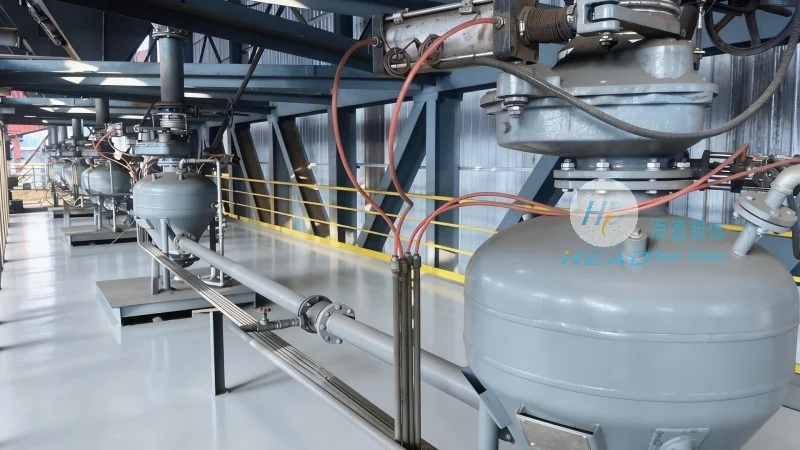
Pneumatic conveying systems operate by using air or other gases to transport bulk materials through a pipeline network. The process typically involves several key components and mechanisms that work in tandem to ensure efficient material movement. At its core, the system relies on the creation of a pressure differential between the inlet and outlet of the conveying line. This is achieved through the use of blowers or compressors that generate the necessary airflow, which then propels the material particles forward.
There are primarily two types of pneumatic conveying systems: pressure and vacuum. Pressure systems operate by pushing material through the pipeline using compressed air, while vacuum systems draw material into the pipeline using a vacuum created by a fan or ejector. For cement raw materials, which often require gentle handling to prevent degradation or dust generation, pressure systems are commonly preferred due to their ability to control the flow rate and reduce impact on the material.
Effective pneumatic conveying of cement raw materials depends on the proper integration of several critical components. These include the material feed hopper, which stores and regulates the flow of raw materials; the conveyor line itself, which is typically made of durable materials like stainless steel or plastic to withstand abrasion and corrosion; and the air handling unit, which includes the blower, filters, and control systems. Additionally, the system may incorporate features such as cyclone separators to separate the material from the air stream, and dust collection systems to ensure environmental compliance and product purity.
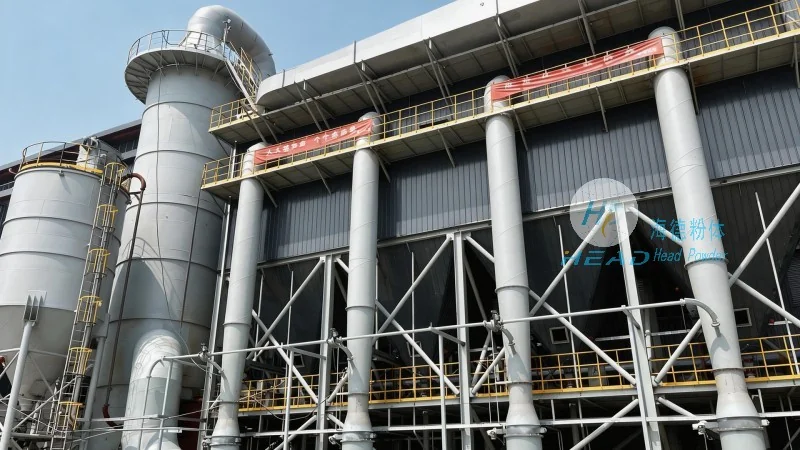
Implementing a pneumatic conveying system for cement raw materials offers numerous benefits that enhance operational performance and product quality. One of the most significant advantages is the reduction in material handling costs, as the system eliminates the need for manual labor and reduces the risk of material loss or spillage. Furthermore, pneumatic conveying minimizes product degradation by avoiding contact with external elements and reducing impact forces during transport. This is particularly important for cement raw materials, which can be sensitive to moisture and temperature changes.
Another key benefit is the improved safety and hygiene in the workplace. By containing the material within a closed system, pneumatic conveying reduces dust exposure and the risk of respiratory issues for workers. This not only enhances workplace safety but also helps maintain product purity by preventing contamination from external sources. Additionally, the system's ability to handle materials in a controlled manner reduces the likelihood of blockages or system failures, leading to higher uptime and operational reliability.
In the context of cement production, pneumatic conveying is widely used for transporting raw materials such as limestone, clay, and iron ore from storage silos to the grinding and mixing stages. The system ensures a consistent and continuous flow of raw materials, which is crucial for maintaining the quality and consistency of the final cement product. By integrating pneumatic conveying into the production process, cement manufacturers can achieve better process control, reduce downtime, and improve overall production efficiency.
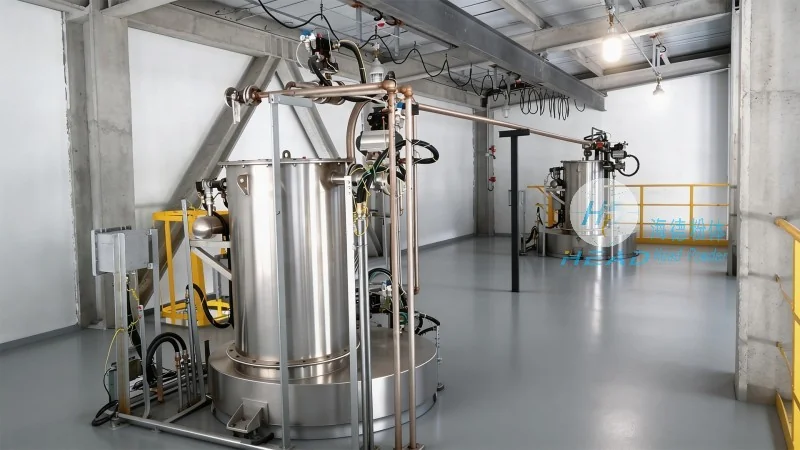
Shandong HeadPowder Engineering Co., Ltd., operating under the brand name headpowder, is a leading provider of pneumatic conveying solutions tailored for the cement industry. With a focus on innovation and customer-centric design, the company specializes in developing customized systems that meet the specific needs of cement producers. HeadPowder's expertise lies in understanding the unique challenges of cement raw material handling, such as material variability, abrasive properties, and environmental regulations.
The company's team of engineers and technicians work closely with clients to assess their operational requirements and design systems that optimize material flow, reduce energy consumption, and enhance overall system performance. By leveraging advanced technology and rigorous testing protocols, HeadPowder ensures that its pneumatic conveying systems deliver reliable and efficient performance, helping cement manufacturers achieve their production goals while maintaining product quality and operational safety.
HeadPowder is committed to providing comprehensive support to its clients, from system design and installation to ongoing maintenance and technical assistance. With its headquarters located in Shandong, China, the company serves a global market, delivering high-quality pneumatic conveying solutions to cement plants worldwide. Through continuous innovation and adherence to industry standards, HeadPowder remains at the forefront of the cement conveying industry, helping clients enhance their operational efficiency and achieve sustainable growth.

 Shandong Headpowder Engineering Co., Ltd.
 156-6277-7102(Manager Zhang)
  0531-83386006
  Zhangqiu District, Jinan City, Shandong Province, China
telephone
WeChatconsult
top