With more than 10‑year industry experience, Shandong Headpowder delivers full‑service pneumatic‑conveying systems and blowers, undertaking nationwide turn‑key powder‑handling projects.
Maltose, a vital sugar in the food and beverage sector, often requires efficient and hygienic material handling solutions. Pneumatic conveying systems have become a trusted method for transporting maltose and other fine powders, offering benefits such as cleanliness, speed, and the ability to handle sensitive materials without contamination. This article provides an overview of maltose pneumatic conveying, exploring the core principles and operational aspects of pneumatic conveying systems.
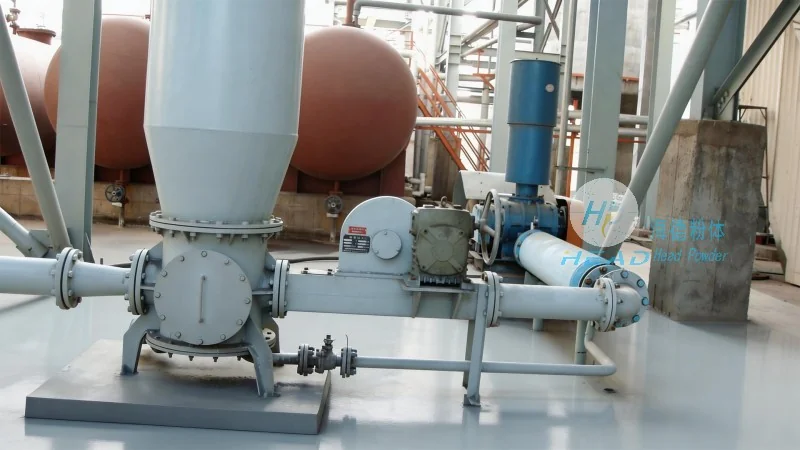
Pneumatic conveying systems utilize air or gas to transport bulk materials like maltose from one location to another. These systems can be classified into two main types: dilute-phase and dense-phase. Dilute-phase systems employ high velocities to keep particles suspended in the air stream, suitable for short distances and low to medium material loads. Dense-phase systems, conversely, operate at lower velocities, using pressure to push the material through the system, which is ideal for longer distances and higher material loads. The selection between these systems depends on factors like the material's properties, the required distance, and the desired flow rate.
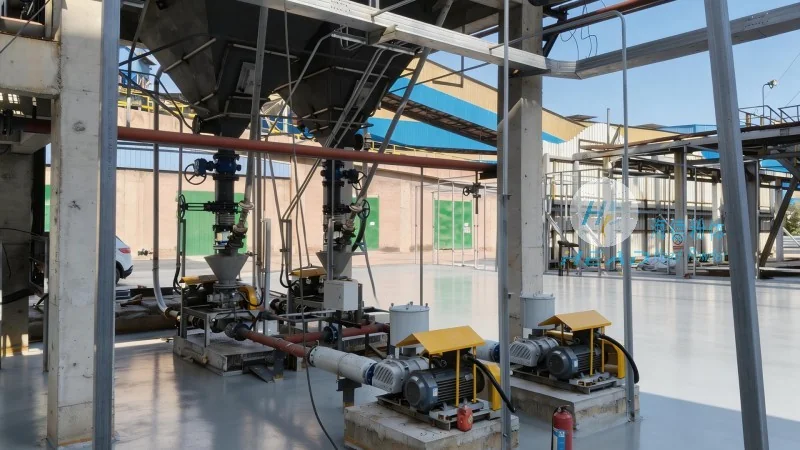
A typical pneumatic conveying system comprises several critical components that work in unison to ensure efficient material transport. These include a material feed hopper, a conveyor line (either horizontal or vertical), a pressure or vacuum source (such as a blower or vacuum pump), and a receiving hopper or silo. The feed hopper is responsible for storing and feeding the maltose into the system, while the conveyor line transports the material to the destination. The pressure or vacuum source provides the necessary force to move the material through the system. The receiving hopper collects the maltose at the end of the conveyor line, ensuring a smooth and continuous flow.
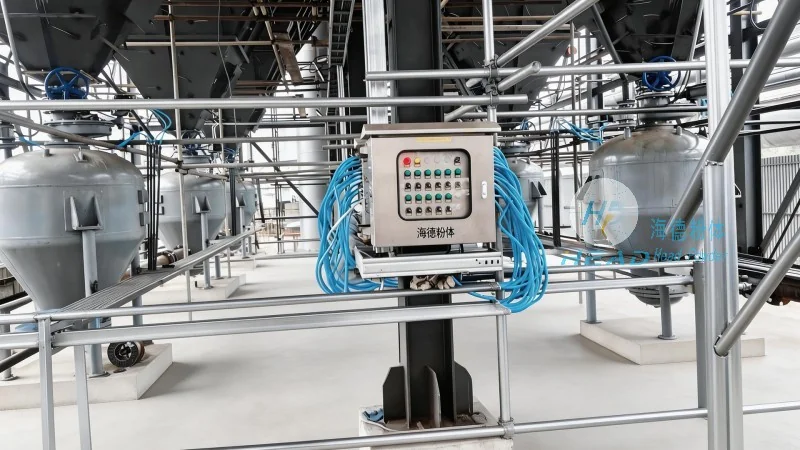
When handling maltose, pneumatic conveying offers several advantages over traditional methods like belt conveyors or bucket elevators. First, it provides a completely enclosed system, which prevents contamination from dust, moisture, or other environmental factors. This is crucial for maintaining the quality and purity of maltose, which is essential in food and beverage applications. Second, pneumatic conveying systems are faster and more efficient, reducing the time and labor required for material transport. Third, they are flexible and can be easily integrated into existing production lines, allowing for seamless material flow. Additionally, these systems are low maintenance and can handle a wide range of material sizes and densities.
In the maltose production process, pneumatic conveying is commonly used for transferring raw materials, intermediate products, and finished goods. For instance, after maltose is produced through enzymatic hydrolysis, it may need to be transported from the reaction tank to a storage silo or to a packaging line. Pneumatic conveying systems can handle this transfer efficiently, ensuring that the material is moved without degradation or contamination. Similarly, in the packaging stage, pneumatic conveying can be used to transport maltose from storage to the filling machines, maintaining the product's quality and consistency.
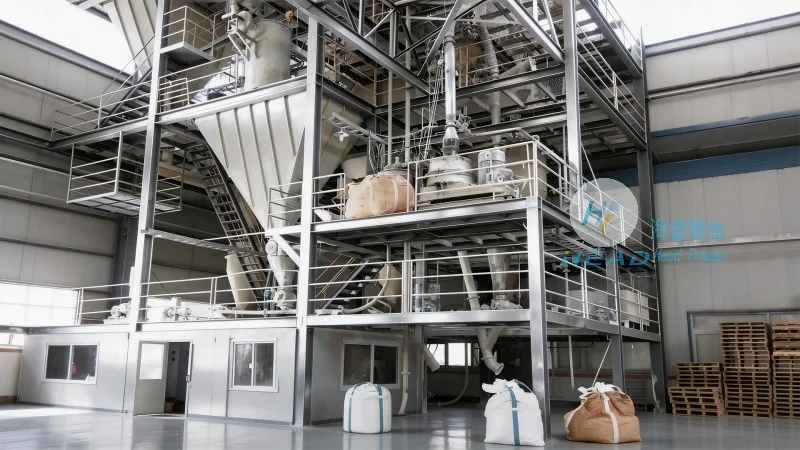
Shandong HeadPowder Engineering Co., Ltd., commonly known as HeadPowder, is a leading provider of engineering solutions for the powder and bulk material handling industry. With a focus on innovation and quality, HeadPowder specializes in designing and manufacturing pneumatic conveying systems tailored to the specific needs of its clients. The company's headquarters is located in Shandong, China, where it has established a strong presence in the industry. HeadPowder's team of experts works closely with clients to understand their material handling challenges and develop customized solutions that enhance efficiency and productivity. By leveraging advanced technology and a deep understanding of material properties, HeadPowder ensures that its pneumatic conveying systems are reliable, durable, and effective for handling materials like maltose.

 Shandong Headpowder Engineering Co., Ltd.
 156-6277-7102(Manager Zhang)
  0531-83386006
  Zhangqiu District, Jinan City, Shandong Province, China
telephone
WeChatconsult
top