With more than 10‑year industry experience, Shandong Headpowder delivers full‑service pneumatic‑conveying systems and blowers, undertaking nationwide turn‑key powder‑handling projects.
When it comes to transporting denitrification urea, selecting the right pneumatic conveying method is crucial for efficiency, cost-effectiveness, and operational reliability. Two primary approaches dominate the industry: positive pressure conveying and negative pressure conveying. Each method offers distinct advantages and challenges, making it essential to understand their characteristics before making a decision. This analysis delves into the differences between these two systems, highlighting their applications, benefits, and considerations for users in the fertilizer and chemical sectors.
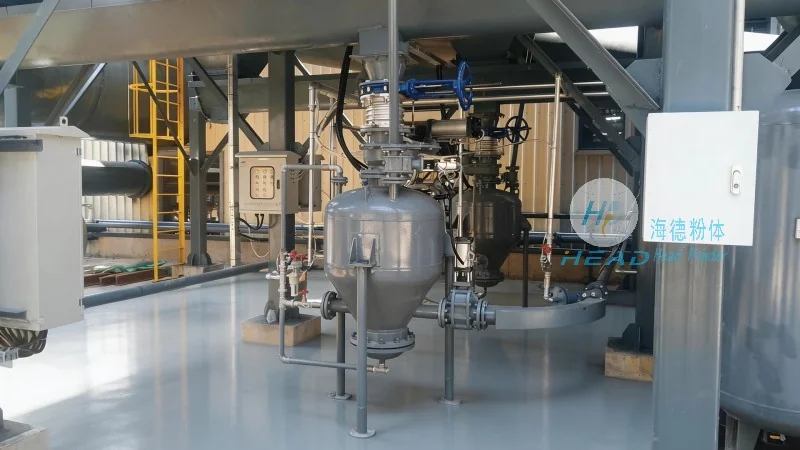
Positive pressure conveying, as the name suggests, involves generating air or gas flow under pressure within the conveying line. The system typically uses a positive displacement blower or a centrifugal fan to push air through the pipeline, carrying the urea particles along. This method is particularly effective for long-distance or high-capacity transport, as it can maintain consistent flow rates and handle abrasive or sticky materials without clogging. The pressure differential ensures that the material is continuously moved forward, reducing the risk of material buildup or stagnation. However, positive pressure systems require robust seals and filtration to prevent dust emissions and maintain air quality, which can increase maintenance costs and operational complexity.
One of the key benefits of positive pressure conveying is its ability to handle high material loads and long distances. The pressurized air ensures that the urea particles are uniformly suspended and transported, minimizing the risk of segregation or degradation. This makes it suitable for large-scale industrial applications where bulk handling is required. Additionally, positive pressure systems can operate at higher velocities, which helps in reducing the time required for material transport. The consistent pressure also allows for better control over the conveying rate, enabling precise dosing and processing. For denitrification urea, which is often used in large quantities for industrial processes, this control is vital for maintaining product quality and meeting production demands.
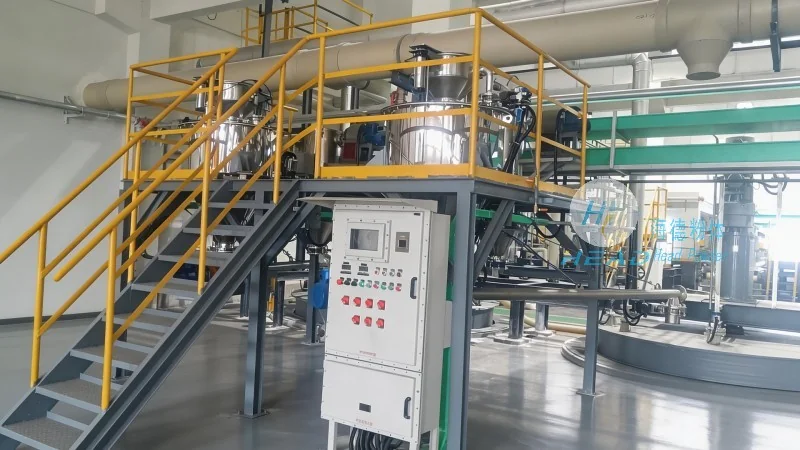
Negative pressure conveying, or suction conveying, operates by creating a vacuum or negative pressure within the conveying line. The system draws material from the source using a vacuum pump or fan, and the material is then carried through the pipeline by the induced airflow. This method is often preferred for short-distance or low-volume transport, as it can handle more delicate or sensitive materials without the risk of pressure-related damage. The low-pressure environment reduces the risk of material degradation and ensures that the urea particles remain intact during transport. However, negative pressure systems are generally less efficient for long distances and high capacities, as the vacuum can lead to energy losses and reduced material flow rates. The system also requires careful maintenance to prevent air leaks, which can compromise the vacuum and affect performance.
One of the main advantages of negative pressure conveying is its suitability for handling fine or delicate materials. The low-pressure environment minimizes the risk of particle breakage or agglomeration, which is critical for denitrification urea that may be used in sensitive applications such as agricultural fertilizers or industrial processes. The system also allows for more flexible installation, as it can be configured to draw material from multiple sources or to transport material over short distances without the need for complex piping. Additionally, negative pressure systems are often more energy-efficient for short runs, as the vacuum pump can operate at lower power levels compared to a high-pressure blower. This makes them a cost-effective option for smaller-scale operations or for transporting material from a single source to a nearby processing facility.
When comparing positive and negative pressure conveying for denitrification urea, several factors must be considered. The choice between the two depends on the specific application, including the distance to be covered, the volume of material to be transported, and the characteristics of the urea (such as particle size, moisture content, and abrasiveness). Positive pressure systems excel in long-distance, high-capacity applications, offering consistent flow rates and robust performance. They are ideal for industrial settings where large quantities of urea are processed regularly. On the other hand, negative pressure systems are better suited for short-distance, low-volume transport, particularly when handling fine or sensitive materials. They provide a gentler transport environment that minimizes material degradation and ensures product integrity.
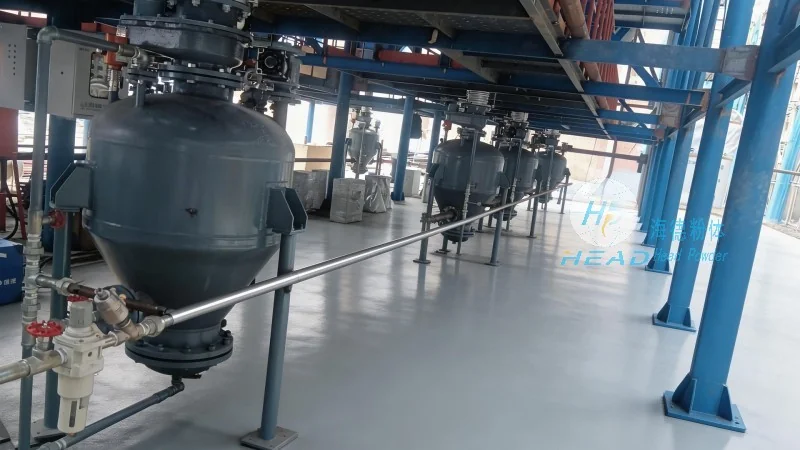
For companies in the fertilizer and chemical sectors, selecting the right pneumatic conveying system for denitrification urea requires a thorough evaluation of operational needs and technical requirements. Factors such as the distance between the source and destination, the required material flow rate, and the potential for material degradation are critical in determining the most suitable method. Additionally, the cost of equipment, maintenance, and energy consumption must be considered, as these can significantly impact the overall operational efficiency. Positive pressure systems may have higher upfront costs due to the need for robust blower systems and sealing components, but they offer long-term benefits in terms of reliability and performance. Negative pressure systems, while more affordable for short runs, may require more frequent maintenance to maintain the vacuum and prevent air leaks.
Shandong HeadPowder Engineering Co., Ltd., a leading provider of engineering solutions for the chemical and fertilizer industries, specializes in designing and implementing advanced pneumatic conveying systems tailored to the specific needs of clients. With years of experience in the field, HeadPowder offers comprehensive solutions that integrate positive and negative pressure technologies to optimize material transport. The company’s expertise lies in understanding the unique challenges of denitrification urea, such as its abrasive properties and the need for precise control during transport. By leveraging cutting-edge technology and industry best practices, HeadPowder ensures that its systems deliver high efficiency, low maintenance, and reliable performance. The company’s commitment to quality and customer satisfaction has made it a trusted partner for businesses seeking to enhance their material handling processes. With operations based in Shandong, China, HeadPowder provides local support and technical assistance to clients, ensuring that their conveying systems meet the highest standards of performance and safety.

 Shandong Headpowder Engineering Co., Ltd.
 156-6277-7102(Manager Zhang)
  0531-83386006
  Zhangqiu District, Jinan City, Shandong Province, China
telephone
WeChatconsult
top