With more than 10‑year industry experience, Shandong Headpowder delivers full‑service pneumatic‑conveying systems and blowers, undertaking nationwide turn‑key powder‑handling projects.
When it comes to transporting recycled sand in construction and manufacturing processes, the choice between negative pressure and positive pressure pneumatic conveying systems is a critical decision. Both methods have distinct characteristics that affect efficiency, cost, and operational safety. Understanding the advantages and disadvantages of each approach is essential for selecting the most suitable solution for specific applications.
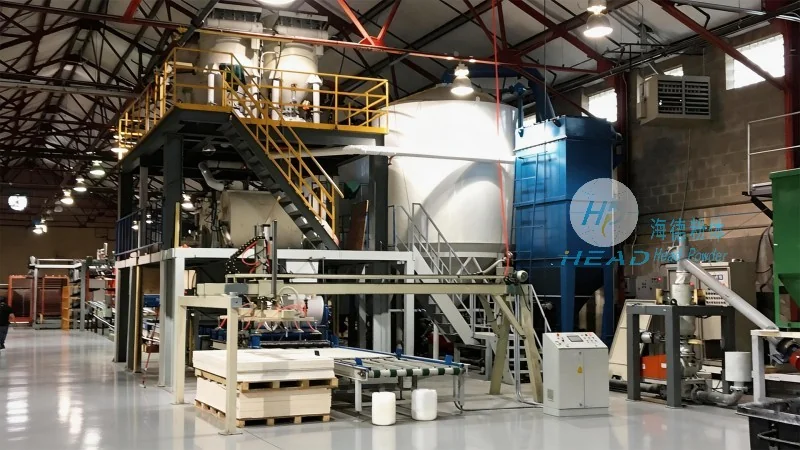
Shandong HeadPowder Engineering Co., Ltd. specializes in the design, manufacturing, and installation of advanced pneumatic conveying systems tailored for the recycling industry. With years of experience in the field, HeadPowder provides customized solutions that meet the unique demands of clients handling recycled sand. The company’s expertise ensures that systems are optimized for performance, reliability, and long-term operational efficiency.
Negative pressure conveying, also known as suction conveying, operates by creating a low-pressure environment at the inlet of the system. This draws material from the source into the pipeline using a vacuum. The process is characterized by several advantages, including the ability to handle fine powders and dust without the risk of material leakage or spillage. Additionally, negative pressure systems are generally quieter and less prone to air leakage compared to positive pressure systems. However, they have limitations, such as lower conveying distances and the need for careful maintenance to prevent clogging and system failure.
One of the primary benefits of negative pressure conveying is its suitability for handling fine and abrasive materials like recycled sand. The low-pressure environment minimizes particle degradation and ensures that the material remains intact during transport. This is particularly important for recycled sand, which may contain contaminants or irregular particles that could be damaged by high-pressure systems. Furthermore, negative pressure systems are often more energy-efficient for shorter conveying distances, as they require less power to maintain the vacuum. The reduced noise level also makes them ideal for applications where environmental noise control is a priority.
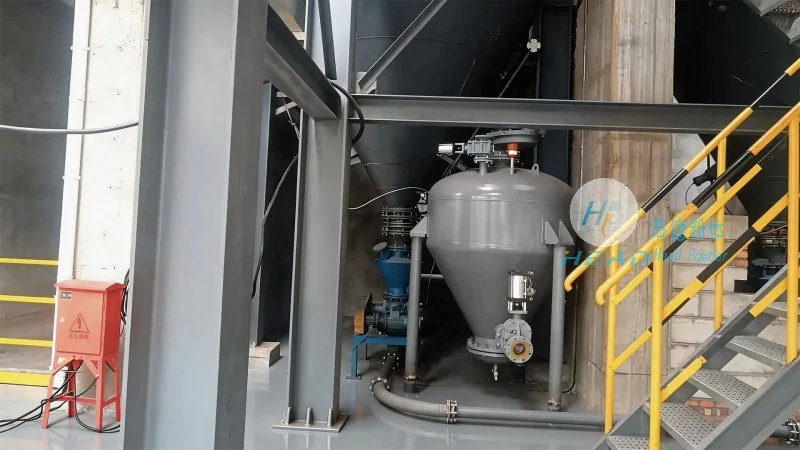
Despite its advantages, negative pressure conveying has several drawbacks. The most significant limitation is its restricted conveying distance, typically ranging from 50 to 200 meters, depending on the material properties and system design. This makes it less suitable for large-scale operations where materials need to be transported over longer distances. Another drawback is the higher risk of system clogging, especially with wet or sticky recycled sand, which can lead to frequent maintenance and downtime. Additionally, the vacuum system requires more robust filtration to prevent dust from escaping into the environment, increasing operational costs and complexity.
Positive pressure conveying, or pressure conveying, works by forcing air or gas through the material, creating a high-pressure environment that pushes the material through the pipeline. This method is generally more suitable for longer conveying distances and handling bulkier materials. Unlike negative pressure systems, positive pressure systems can transport materials over distances of up to 1,000 meters or more, making them ideal for large-scale recycling facilities. The high-pressure environment also helps to prevent material segregation and ensures consistent flow rates.
Positive pressure conveying offers several advantages that make it a preferred choice for many applications. The most notable benefit is its ability to handle longer conveying distances, which is crucial for large recycling plants where material needs to be transported from storage to processing areas. The high-pressure system also provides better control over material flow, reducing the risk of clogging and ensuring smooth operation. Additionally, positive pressure systems are more efficient for transporting larger quantities of material at once, improving overall productivity. The system is also more resistant to material degradation, as the high-pressure air helps to keep particles intact during transport.
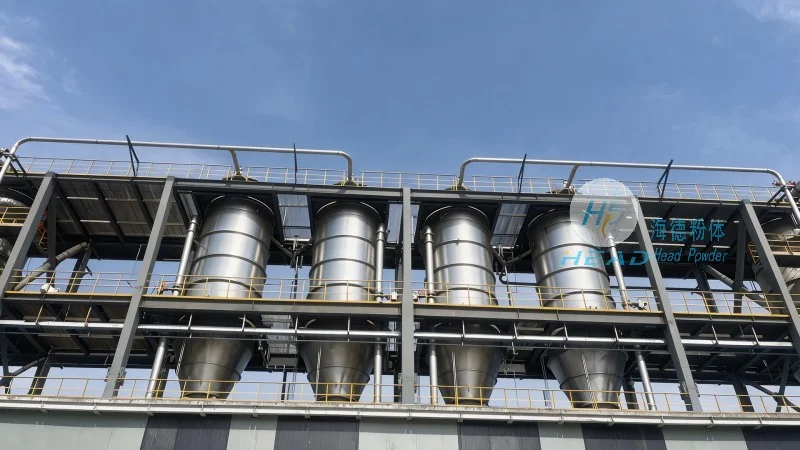
However, positive pressure conveying has its own set of challenges. The primary disadvantage is the higher energy consumption compared to negative pressure systems, as it requires more power to maintain the pressure and move the material. This can increase operational costs, especially for large-scale operations. Another drawback is the higher risk of air leakage and material spillage, which can lead to environmental issues and safety hazards. The system also requires more maintenance to prevent wear and tear on components, such as the blower and pipeline, due to the high-pressure environment.
When comparing negative and positive pressure conveying for recycled sand, several factors must be considered. The choice depends on the specific application, including the distance to be covered, the material characteristics, and the operational budget. For shorter distances and fine materials, negative pressure systems may be more cost-effective and efficient. For longer distances and bulkier materials, positive pressure systems are generally more suitable. Additionally, the environmental impact and noise levels should be evaluated, as negative pressure systems are often quieter and produce less air leakage. Ultimately, the decision should be based on a thorough analysis of the project requirements and the long-term operational goals.
Both negative and positive pressure pneumatic conveying systems have their place in the recycling industry, and the choice between them depends on the specific needs of the application. Shandong HeadPowder Engineering Co., Ltd. provides expert guidance and customized solutions to help clients select the most appropriate system for their recycled sand handling requirements. By considering factors such as conveying distance, material properties, and operational costs, businesses can optimize their material transport processes and improve overall efficiency. With their commitment to quality and innovation, HeadPowder ensures that clients receive reliable and efficient pneumatic conveying systems that meet their unique needs.

 Shandong Headpowder Engineering Co., Ltd.
 156-6277-7102(Manager Zhang)
  0531-83386006
  Zhangqiu District, Jinan City, Shandong Province, China
telephone
WeChatconsult
top