With more than 10‑year industry experience, Shandong Headpowder delivers full‑service pneumatic‑conveying systems and blowers, undertaking nationwide turn‑key powder‑handling projects.
Efficient material handling is a critical factor in modern industrial operations, and the design of a reliable pneumatic conveying system for polypropylene (PP) pellets is essential for optimizing production processes. This article focuses on the technical aspects and practical considerations involved in designing a pneumatic conveying system specifically for PP pellets, highlighting the expertise of Shandong HeadPowder Engineering Co., Ltd. (hereinafter referred to as HeadPowder), a leading engineering firm based in Shandong, China.
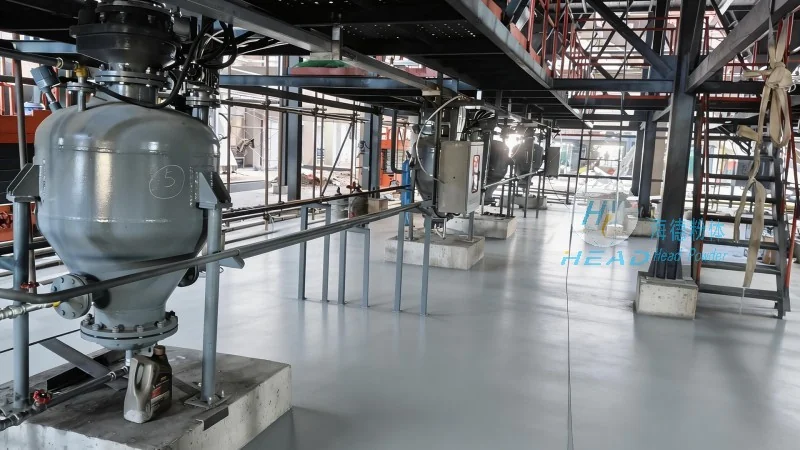
Pneumatic conveying systems utilize air or other gases to transport bulk materials like PP pellets from one location to another. Compared to traditional mechanical conveying methods, such as belt conveyors or screw conveyors, pneumatic systems offer several advantages, including reduced material degradation, lower maintenance costs, and the ability to handle materials in a closed environment, minimizing dust and contamination. For PP pellets, which are lightweight and can be prone to static charge, a well-designed pneumatic system is crucial to ensure consistent flow and prevent product damage.
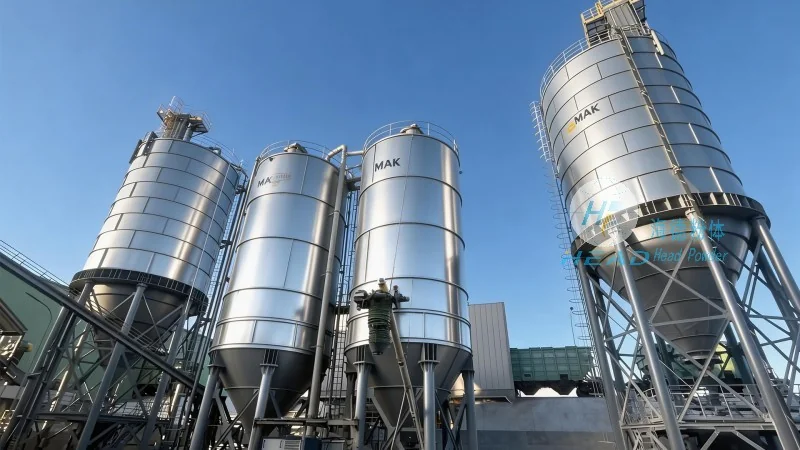
When designing a pneumatic conveying system for PP pellets, several key factors must be considered to ensure optimal performance and longevity. First, the system's capacity and flow rate must be matched to the production requirements. HeadPowder engineers typically start by analyzing the material's bulk density, particle size distribution, and moisture content to determine the appropriate air velocity and pressure. Second, the choice of conveying line type—whether it's a positive pressure, negative pressure, or a combination of both—depends on the distance and layout of the system. For long-distance or complex layouts, a positive pressure system with a blower or compressor is often preferred, as it provides consistent pressure and can handle higher material loads. Third, the selection of components, such as the hopper, feeder, and pipeline, is critical. The hopper must be designed to prevent material bridging and ensure uniform feeding, while the feeder (e.g., a rotary valve or screw feeder) must be capable of handling the specific characteristics of PP pellets, including their tendency to accumulate static charge. Additionally, the pipeline material and diameter must be chosen to minimize pressure drop and prevent material buildup, which can lead to blockages or system inefficiencies.
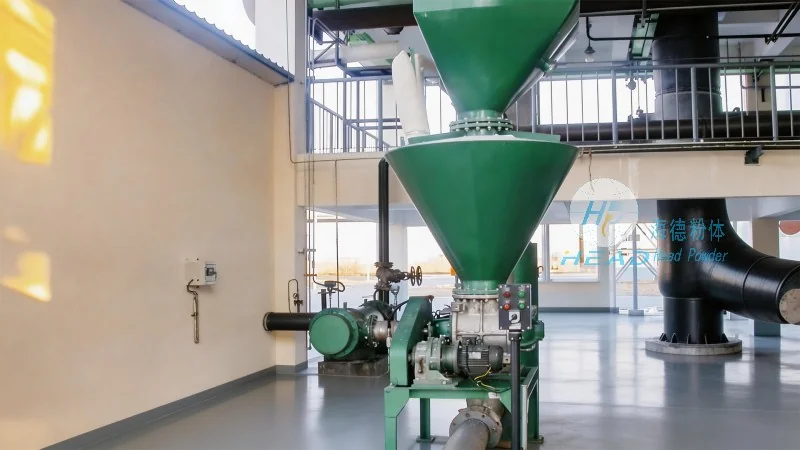
HeadPowder Engineering Co., Ltd. specializes in the design, fabrication, and installation of custom pneumatic conveying systems tailored to the unique needs of each client. With a team of experienced engineers and technicians, HeadPowder leverages advanced computational fluid dynamics (CFD) and material flow analysis to model and optimize system performance before construction. This approach ensures that the final system meets the client's production targets while minimizing energy consumption and operational costs. For PP pellet applications, HeadPowder's engineers consider factors such as the material's flowability, abrasiveness, and potential for static charge, selecting components that are specifically designed for these characteristics. For example, the use of anti-static materials in the hopper and feeder, along with proper grounding, helps to prevent static buildup, which can cause material bridging or electrostatic discharge. The company also emphasizes the importance of regular maintenance and system monitoring to ensure long-term reliability. By partnering with HeadPowder, clients can benefit from a comprehensive solution that includes not only the design and installation of the conveying system but also ongoing support and technical assistance.
Implementing a properly designed pneumatic conveying system for PP pellets offers numerous benefits for industrial operations. First, it improves production efficiency by reducing downtime caused by material blockages or system failures. The consistent flow of PP pellets ensures that downstream processes, such as molding or extrusion, receive a steady supply of material, minimizing production interruptions. Second, it enhances product quality by preventing material degradation. Unlike mechanical conveyors, which can cause friction and heat buildup, pneumatic systems use air to transport materials, reducing the risk of overheating or degradation of the PP pellets. This is particularly important for applications where the quality of the final product is critical, such as in the manufacturing of automotive parts or consumer goods. Third, it reduces operational costs by minimizing maintenance and energy consumption. The closed-loop design of pneumatic systems reduces dust and contamination, which can lead to equipment wear and higher maintenance expenses. Additionally, the efficient use of air pressure and the selection of appropriate components help to lower energy costs over the system's lifespan. Finally, a well-designed system improves workplace safety by eliminating the need for manual handling of bulk materials, reducing the risk of accidents and exposure to dust.
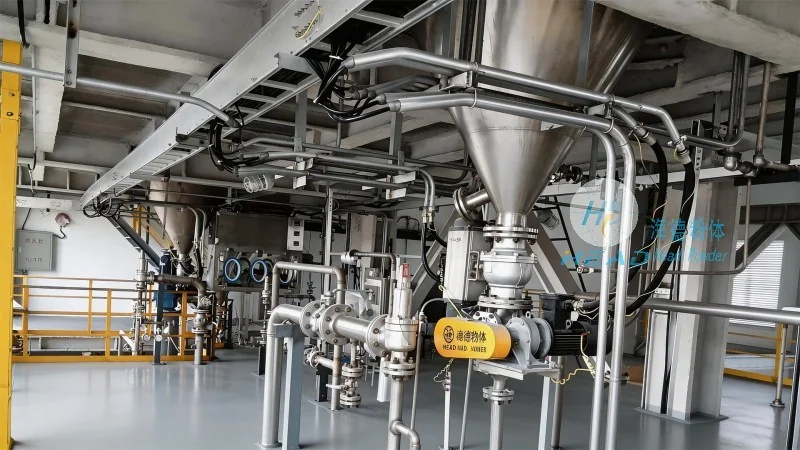
In conclusion, the design of a pneumatic conveying system for PP pellets is a complex but essential task that requires careful consideration of material properties, system layout, and operational requirements. Shandong HeadPowder Engineering Co., Ltd. provides expert engineering solutions tailored to the unique challenges of PP pellet handling, ensuring that clients achieve optimal performance, efficiency, and reliability. By leveraging advanced design techniques and a commitment to quality, HeadPowder helps industrial facilities improve their material handling processes and maintain a competitive edge in the market.

 Shandong Headpowder Engineering Co., Ltd.
 156-6277-7102(Manager Zhang)
  0531-83386006
  Zhangqiu District, Jinan City, Shandong Province, China
telephone
WeChatconsult
top