With more than 10‑year industry experience, Shandong Headpowder delivers full‑service pneumatic‑conveying systems and blowers, undertaking nationwide turn‑key powder‑handling projects.
Pneumatic conveying is a critical method for transporting bulk materials like calcium chloride, offering efficient and flexible solutions for industrial applications. The choice between negative pressure (suction) and positive pressure (blowing) systems significantly impacts operational efficiency, cost, and material handling. This article provides a detailed comparison of the advantages and disadvantages of each approach, helping industrial operators make informed decisions.
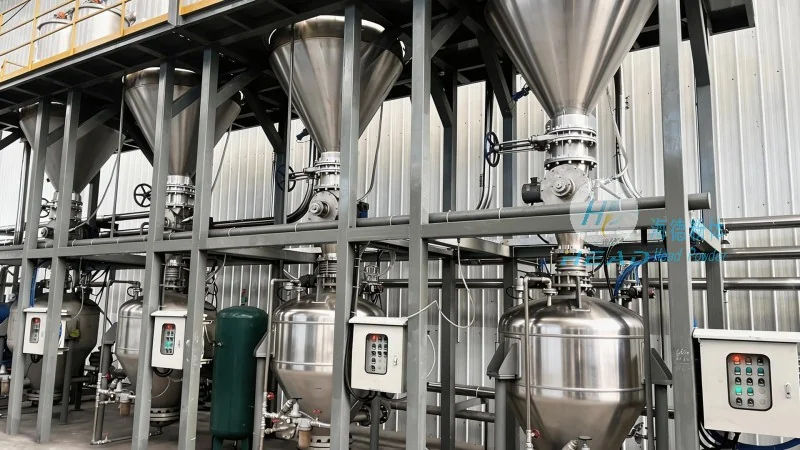
As a leading provider in the field, Shandong HeadPowder Engineering Co., Ltd. specializes in designing and manufacturing advanced pneumatic conveying systems tailored to the unique needs of calcium chloride handling. With a strong presence in China, the company leverages over [years] of industry experience to deliver reliable, efficient solutions. The company’s headquarters is located in Shandong, China, where it continues to innovate and serve global clients.
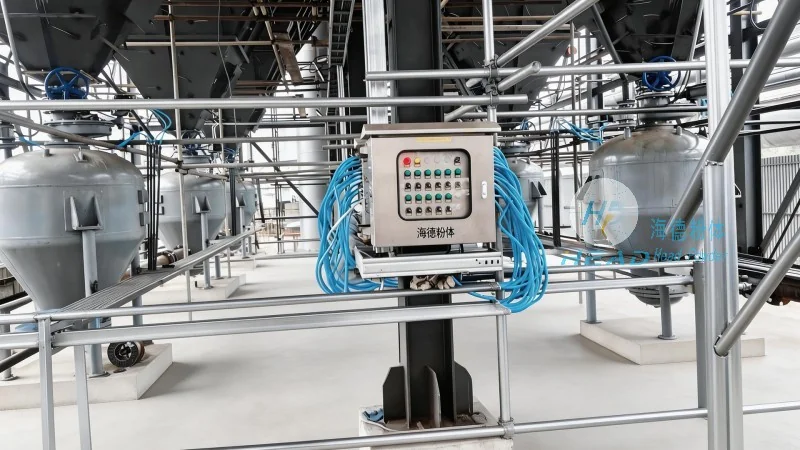
Positive pressure conveying, also known as blowing or pressure conveying, operates by forcing air or gas through the conveying line to move material. This method is particularly effective for transporting calcium chloride over longer distances and through complex system layouts. One of the key advantages is its ability to handle a wide range of particle sizes and moisture content, making it suitable for various industrial processes. The system typically uses a positive displacement blower or a high-pressure compressor to generate the necessary pressure, ensuring consistent material flow. However, positive pressure systems may require more robust equipment and higher energy consumption compared to other methods. Additionally, they can be more challenging to maintain, as the high-pressure components are subject to greater wear and tear.
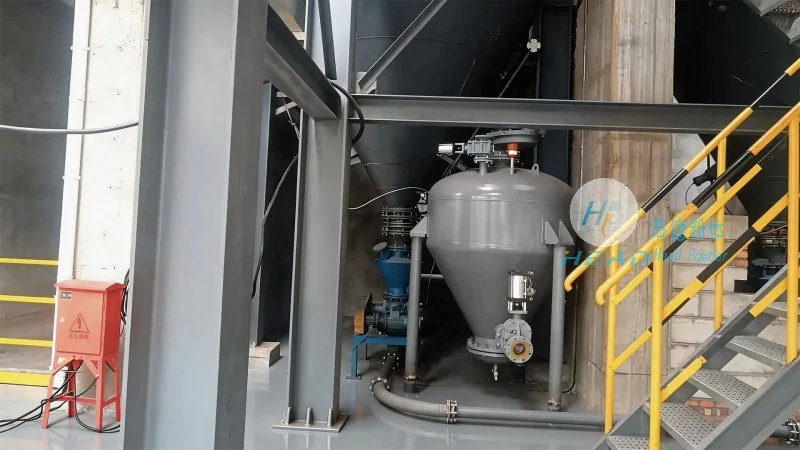
Negative pressure conveying, or suction conveying, works by creating a vacuum in the conveying line to draw material into the system. This approach is often preferred for applications requiring gentle material handling, such as transporting calcium chloride that may be sensitive to abrasion or degradation. The system uses a vacuum pump to generate the suction force, which is generally less energy-intensive than positive pressure systems. A notable advantage is its lower initial cost and simpler setup, as it often requires fewer components and less complex piping. However, negative pressure systems have limitations in terms of conveying distance and material capacity. They are typically more suitable for shorter distances and lower material loads, as the suction force diminishes over longer distances. Additionally, the system may be more prone to air leakage and material buildup in the line, requiring regular maintenance to ensure optimal performance.
When selecting between negative pressure and positive pressure conveying for calcium chloride, several factors must be considered. The primary considerations include the distance of material transport, the particle size and moisture content of the material, the required material handling capacity, and the available space for system installation. For longer distances and high material loads, positive pressure systems are often more suitable due to their higher conveying capacity and efficiency. Conversely, for shorter distances and more delicate materials, negative pressure systems may offer better performance and lower operational costs. The choice also depends on the specific industrial application, such as storage, processing, or distribution, as each may have unique requirements. Additionally, the initial investment and long-term maintenance costs should be evaluated to ensure the chosen system aligns with the overall operational budget and goals.
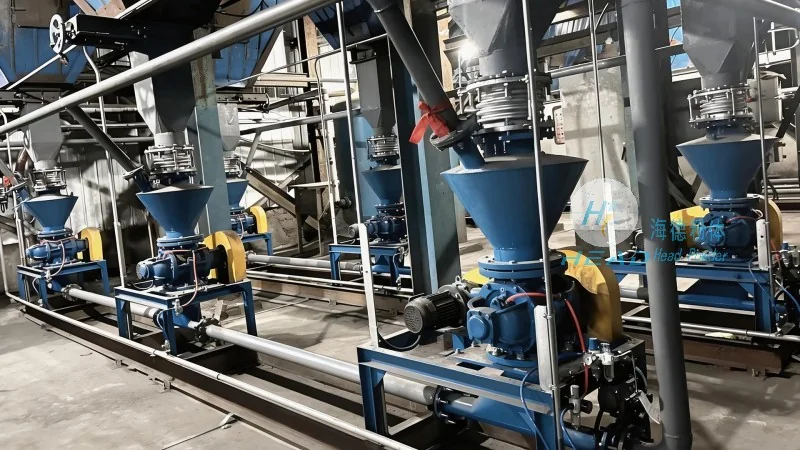
Both negative pressure and positive pressure conveying systems offer viable solutions for calcium chloride pneumatic transport, each with distinct advantages and limitations. Positive pressure systems excel in long-distance and high-capacity applications, while negative pressure systems are better suited for shorter distances and gentle material handling. The optimal choice depends on the specific operational needs, material characteristics, and budget constraints of the industrial process. By understanding these differences and considering the factors outlined above, industrial operators can select the most appropriate conveying system to enhance efficiency, reduce costs, and ensure reliable material transport. Shandong HeadPowder Engineering Co., Ltd. continues to provide expert guidance and customized solutions to help clients achieve their material handling objectives effectively.

 Shandong Headpowder Engineering Co., Ltd.
 156-6277-7102(Manager Zhang)
  0531-83386006
  Zhangqiu District, Jinan City, Shandong Province, China
telephone
WeChatconsult
top