With more than 10‑year industry experience, Shandong Headpowder delivers full‑service pneumatic‑conveying systems and blowers, undertaking nationwide turn‑key powder‑handling projects.
When it comes to the pneumatic conveying of copper sulfate, selecting the right method is crucial for optimizing operational efficiency and cost-effectiveness. Two primary approaches are widely used: negative pressure (or suction) conveying and positive pressure (or pressure) conveying. Each method has its own set of advantages and disadvantages, which are essential to understand for making an informed decision in industrial applications.
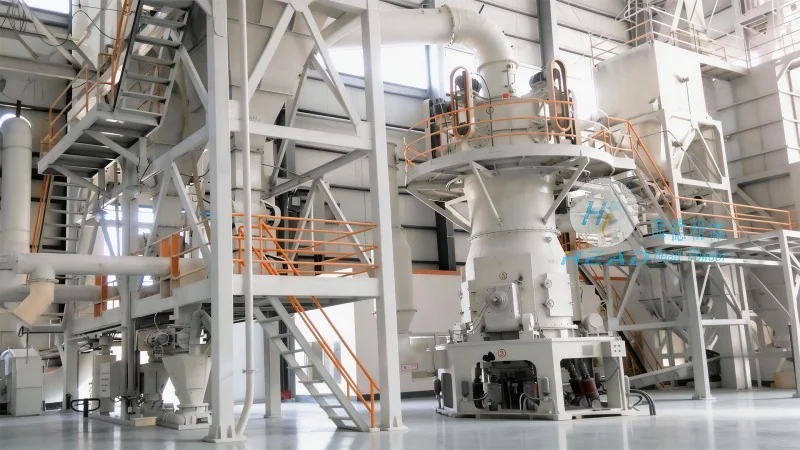
Pneumatic conveying is a technique used to transport bulk materials like copper sulfate through a pipeline using air or gas as the conveying medium. The two main types are negative pressure and positive pressure systems. Negative pressure systems draw material into the pipeline using a vacuum, while positive pressure systems push material through the pipeline using compressed air. Both methods have distinct characteristics that influence their suitability for different scenarios.
Negative pressure conveying, also known as suction conveying, offers several benefits for copper sulfate transport. One key advantage is its ability to handle materials that are prone to dust or fine particles, as the vacuum helps to capture and transport these particles without significant loss. This method is particularly effective for materials that are hygroscopic or have a tendency to agglomerate, as the controlled airflow minimizes particle breakage and maintains material integrity. Additionally, negative pressure systems are generally more energy-efficient compared to positive pressure systems, as they rely on the natural suction created by the vacuum pump rather than the continuous compression of air.
Another advantage is the reduced risk of material degradation or contamination. Since the material is drawn into the system rather than being forced through, there is less mechanical stress on the particles. This is especially important for copper sulfate, which may be sensitive to moisture or temperature changes during transport. The closed system design also helps to prevent dust emissions, making it more environmentally friendly and safer for operators. Furthermore, negative pressure conveying can handle longer distances and multiple transfer points without significant pressure drop, as the vacuum pump maintains a consistent suction level throughout the pipeline.
Despite its advantages, negative pressure conveying has several limitations. One major drawback is its lower conveying capacity compared to positive pressure systems. The suction force is limited by the vacuum pump's capacity, which can restrict the amount of material that can be transported in a given time. This may be a concern for high-volume operations where large quantities of copper sulfate need to be moved quickly. Additionally, negative pressure systems are more susceptible to blockages and clogs, as the vacuum can cause fine particles to adhere to the pipeline walls or equipment components. If the material is not properly conditioned or if the system is not maintained, blockages can lead to system downtime and increased maintenance costs.
Another disadvantage is the higher initial investment and maintenance requirements. The vacuum pump and associated equipment are more complex and expensive than the compressors used in positive pressure systems. Regular maintenance, such as cleaning filters and checking for leaks, is essential to ensure optimal performance and prevent system failures. Furthermore, negative pressure conveying may not be suitable for materials that are highly abrasive or corrosive, as the vacuum components are more prone to wear and tear. For copper sulfate, which can be moderately abrasive, this may require additional protective measures or more frequent maintenance.
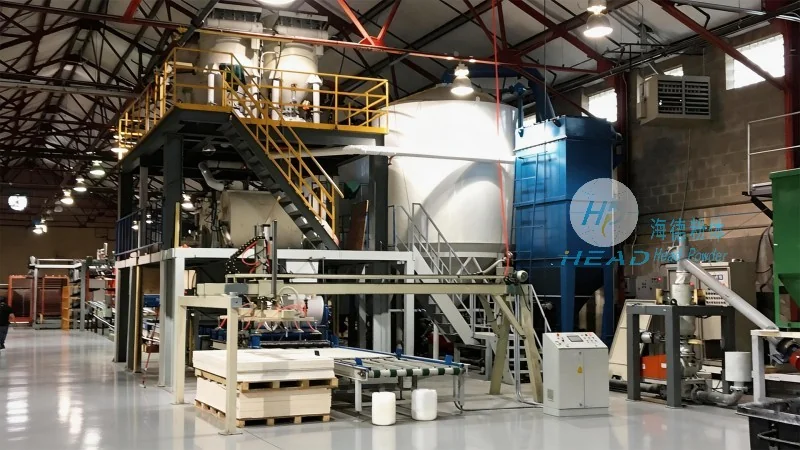
Positive pressure conveying, also known as pressure conveying, offers several advantages that make it a preferred choice for many industrial applications. One key benefit is its higher conveying capacity and ability to handle larger volumes of copper sulfate. The compressed air or gas provides a strong force to push the material through the pipeline, allowing for higher flow rates and faster transport times. This is particularly beneficial for high-throughput operations where large quantities of material need to be moved efficiently.
Another advantage is the better control over material flow and pressure. Positive pressure systems allow for precise regulation of the air pressure, which can be adjusted to match the specific characteristics of the copper sulfate being transported. This ensures consistent material flow and prevents overloading or underloading of the system. Additionally, positive pressure conveying is more suitable for handling abrasive or corrosive materials, as the compressed air can help to reduce particle impact and minimize wear on the pipeline and equipment. The higher pressure also helps to maintain the material's integrity by preventing agglomeration and ensuring uniform particle size distribution.
Furthermore, positive pressure systems are generally more reliable and less prone to blockages compared to negative pressure systems. The continuous flow of compressed air helps to keep the pipeline clear and prevents the accumulation of fine particles that could cause clogs. This reduces the risk of system downtime and maintenance costs. Additionally, positive pressure conveying can handle longer distances and more complex pipeline configurations, such as vertical lifts or multiple transfer points, without significant pressure loss. The ability to maintain consistent pressure throughout the system ensures that the material is transported smoothly and efficiently.
Despite its advantages, positive pressure conveying has several drawbacks that need to be considered. One major disadvantage is its higher energy consumption compared to negative pressure systems. The continuous operation of the compressor requires more power, which increases operational costs, especially for large-scale operations. Additionally, positive pressure systems are more susceptible to dust emissions and environmental contamination, as the compressed air can escape from the system and release fine particles into the atmosphere. This may require additional filtration or containment measures to comply with environmental regulations.

Another disadvantage is the higher risk of material degradation or contamination. The high-pressure air can cause mechanical stress on the particles, leading to particle breakage or agglomeration. This is particularly problematic for copper sulfate, which may be sensitive to moisture or temperature changes during transport. The increased pressure also increases the risk of equipment wear and tear, as the pipeline and components are subjected to higher stress levels. Regular maintenance, such as checking for leaks and replacing worn parts, is essential to ensure optimal performance and prevent system failures.
Furthermore, positive pressure conveying may not be suitable for materials that are hygroscopic or have a tendency to agglomerate, as the high-pressure air can cause the particles to stick together and form clumps. This can lead to blockages and reduced conveying efficiency. For copper sulfate, which can be moderately hygroscopic, this may require additional conditioning steps, such as drying or pre-treatment, to improve its flowability and prevent agglomeration.
When choosing between negative pressure and positive pressure pneumatic conveying for copper sulfate, it is essential to consider the specific requirements of the application, including material characteristics, conveying distance, and operational efficiency. Negative pressure conveying is generally more suitable for low to medium volume operations, where energy efficiency and reduced dust emissions are priorities. It is particularly effective for handling fine or hygroscopic materials that require gentle handling. However, for high-volume operations or longer distances, positive pressure conveying may be more appropriate due to its higher capacity and better control over material flow.
Companies like Shandong HeadPowder Engineering Co., Ltd. specialize in designing and implementing customized pneumatic conveying systems tailored to the unique needs of their clients. With years of experience in the industry, they offer expert guidance on selecting the most suitable conveying method and optimizing system performance. Whether you are dealing with copper sulfate or other bulk materials, their expertise ensures that your conveying system operates efficiently, reliably, and cost-effectively.
By understanding the advantages and disadvantages of both negative and positive pressure pneumatic conveying, industrial operators can make informed decisions that maximize operational efficiency and minimize costs. The choice between the two methods ultimately depends on the specific requirements of the application, and a thorough evaluation of the material properties and operational constraints is essential for selecting the best conveying solution.

 Shandong Headpowder Engineering Co., Ltd.
 156-6277-7102(Manager Zhang)
  0531-83386006
  Zhangqiu District, Jinan City, Shandong Province, China
telephone
WeChatconsult
top