With more than 10‑year industry experience, Shandong Headpowder delivers full‑service pneumatic‑conveying systems and blowers, undertaking nationwide turn‑key powder‑handling projects.
Iron oxide powder conveyors are specialized equipment designed to handle and transport iron oxide powders efficiently and safely. These systems are crucial in industries where iron oxide is processed, such as in pigment manufacturing, chemical production, or material processing. Understanding the function and design principles of such conveyors is essential for optimizing material handling operations and ensuring operational efficiency.
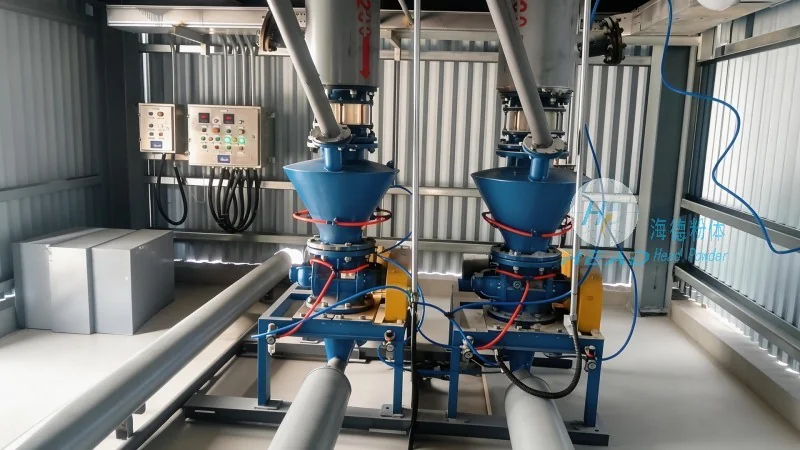
In industrial settings, iron oxide powders are often used as raw materials or additives. The primary challenge in handling these powders is their tendency to create dust, which can lead to health hazards and equipment wear. Iron oxide powder conveyors are engineered to address these challenges by providing a controlled environment for material transport. They help maintain dust containment, reduce the risk of inhalation, and protect machinery from abrasive particle damage.
The design of an iron oxide powder conveyor typically revolves around several critical principles to ensure effective operation. First, material containment is paramount. Conveyors often use sealed or enclosed systems to prevent dust leakage and protect the environment. This is achieved through robust housing, proper sealing mechanisms, and possibly integrated dust collection systems. Second, the choice of conveyor type is tailored to the specific properties of iron oxide powders. For example, screw conveyors or pneumatic conveyors may be preferred based on the powder's flowability and density.
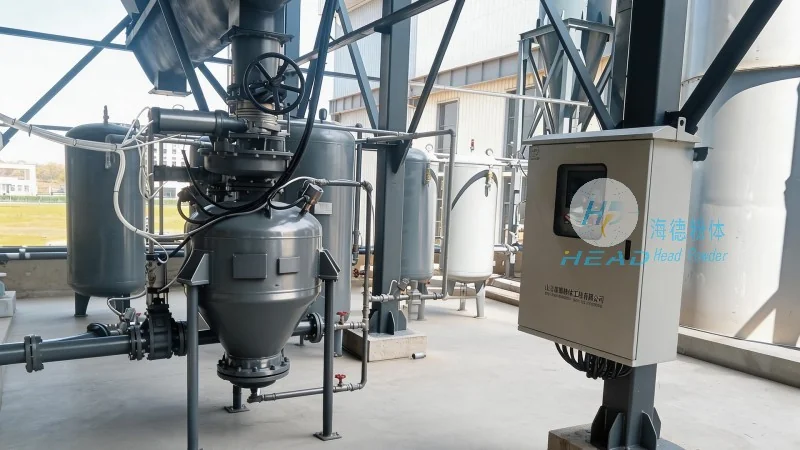
Third, the system must consider the mechanical properties of iron oxide. Iron oxide powders can be abrasive, so the conveyor components, such as screws, belts, or pipes, are made from durable materials like stainless steel or high-grade alloys to withstand wear and tear. Additionally, the design incorporates features to minimize material degradation, such as gentle handling mechanisms and controlled speed adjustments. Finally, the integration of safety features is essential. This includes emergency stop buttons, overload protection, and monitoring systems to ensure safe and reliable operation.
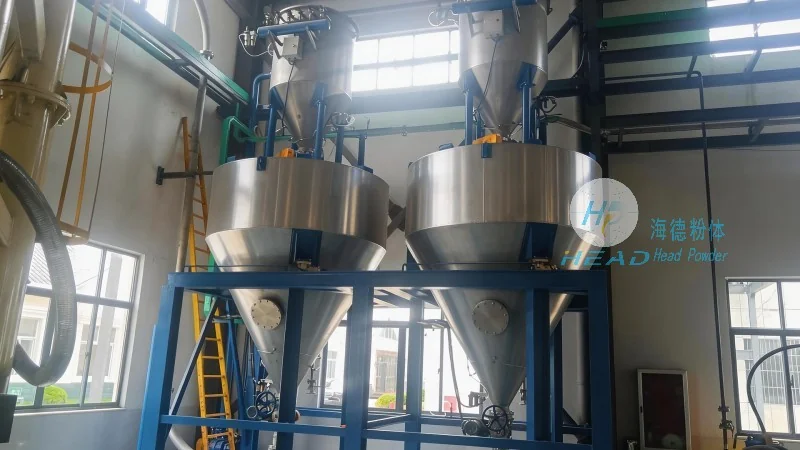
An iron oxide powder conveyor typically consists of several key components. The feeding mechanism, often a hopper or a feeder, introduces the powder into the system. The conveyor itself, which may be a screw, belt, or pneumatic system, transports the material through the pipeline. The discharge section then releases the powder into the next processing stage. The entire system is usually powered by electric motors, with variable speed drives allowing for adjustments based on the material flow rate. Control panels manage the operation, providing real-time monitoring and adjustments to maintain optimal performance.
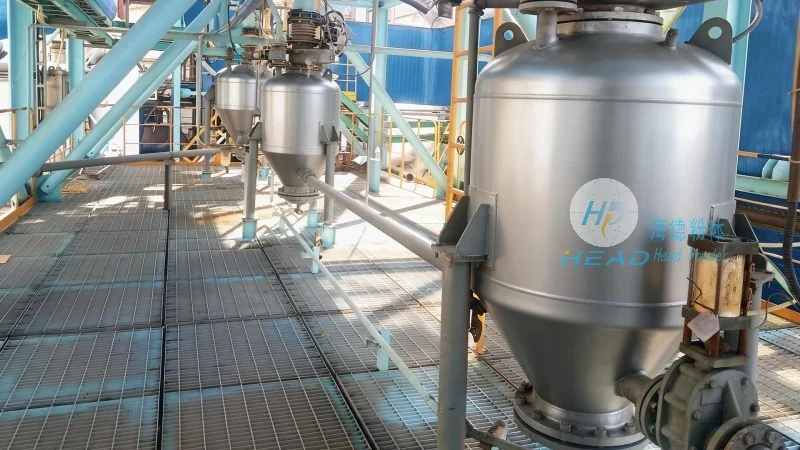
Iron oxide powder conveyors are widely used in various industrial applications. In the pigment industry, they are used to transport iron oxide pigments to mixing and coating processes. In chemical manufacturing, they facilitate the transport of iron oxide as a reactant or catalyst. The benefits of using such conveyors include improved safety due to dust containment, reduced material loss, enhanced operational efficiency through consistent flow rates, and lower maintenance costs due to durable components. These systems also contribute to environmental compliance by minimizing emissions and ensuring proper material handling practices.
Iron oxide powder conveyors are sophisticated equipment that play a vital role in the efficient and safe handling of iron oxide powders. Their design, based on principles of containment, material compatibility, and durability, ensures reliable operation in industrial settings. By understanding these design principles and components, industries can optimize their material handling processes, enhance safety, and improve overall productivity. For companies dealing with iron oxide powders, investing in a well-designed conveyor system is a strategic move toward operational excellence.

 Shandong Headpowder Engineering Co., Ltd.
 156-6277-7102(Manager Zhang)
  0531-83386006
  Zhangqiu District, Jinan City, Shandong Province, China
telephone
WeChatconsult
top