With more than 10‑year industry experience, Shandong Headpowder delivers full‑service pneumatic‑conveying systems and blowers, undertaking nationwide turn‑key powder‑handling projects.
For industries dealing with fine powders like pearl sand, efficient and reliable material handling is crucial. A specialized piece of equipment known as a pearl sand powder conveying machine plays a vital role in this process. This article aims to explore what these machines are and delve into their fundamental design principles, providing insights into their functionality and importance in industrial applications.
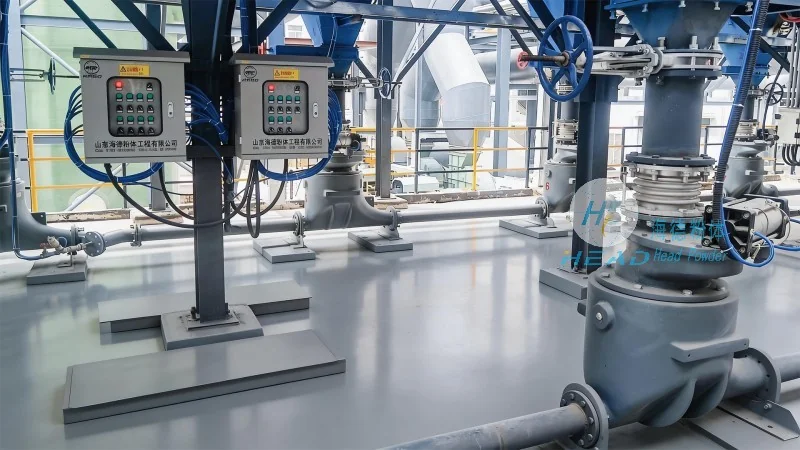
HeadPowder, or Shandong HeadPowder Engineering Co., Ltd., is a company based in Shandong, China, dedicated to providing advanced solutions for powder handling and processing. With a focus on innovation and quality, the company offers equipment tailored to meet the specific needs of various industries, including those working with materials like pearl sand. The expertise and experience of HeadPowder contribute to the development and implementation of effective powder conveying systems.
The design of a pearl sand powder conveying machine is centered around several key principles to ensure optimal performance and efficiency. These machines are engineered to handle fine, abrasive materials like pearl sand, which can pose challenges in traditional conveying methods. The core components and mechanisms are carefully designed to address these challenges, ensuring smooth and consistent material transport.
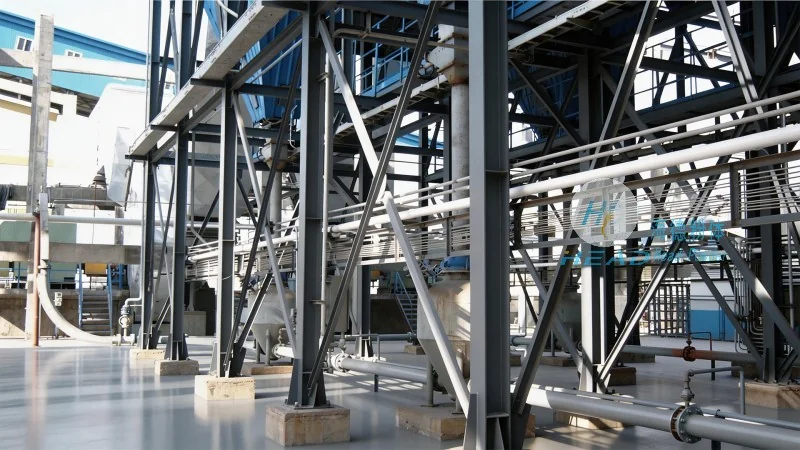
One of the primary design considerations is the material of construction. Since pearl sand is often abrasive, the conveying system must be built with durable materials that can withstand wear and tear. Components such as the hopper, conveyor tubes, and discharge mechanisms are typically made from high-quality stainless steel or other corrosion-resistant materials. This choice not only enhances the longevity of the equipment but also maintains the purity of the powder by preventing contamination.
Another critical aspect is the feeding mechanism. The machine must effectively and uniformly feed the pearl sand into the conveyor system. This is often achieved through a hopper with a controlled discharge valve or a rotary feeder that ensures a steady flow of material. The design of the hopper and feeder is crucial to prevent clogging and ensure consistent material delivery, which is essential for maintaining the efficiency of the conveying process.
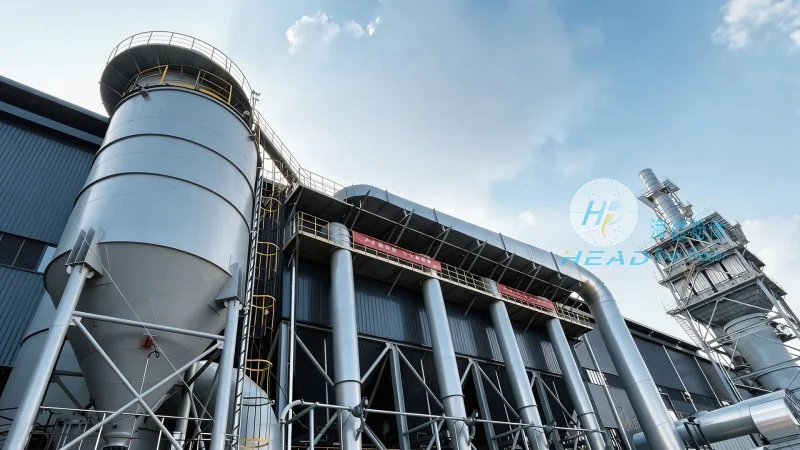
The conveying mechanism itself is another key design element. Various types of conveyors are used, including pneumatic systems, screw conveyors, and belt conveyors, each with its own advantages depending on the specific application. For pearl sand, a pneumatic conveying system is often preferred due to its ability to handle fine powders without the need for mechanical parts that might cause blockages. The design of the air ducts and the velocity of the air flow are carefully calculated to ensure that the powder is transported efficiently and without degradation.
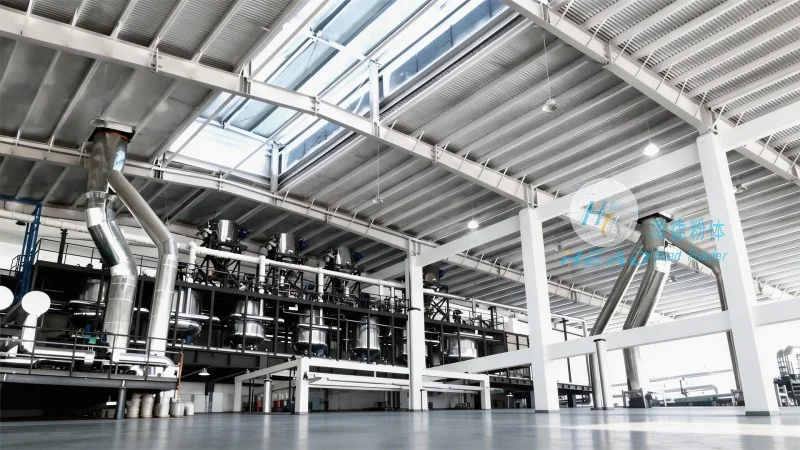
Control systems are also integral to the design of these machines. Modern pearl sand powder conveying systems incorporate advanced control mechanisms to monitor and adjust the conveying process in real-time. Sensors are used to detect the level of material in the hopper and the flow rate, allowing for automatic adjustments to maintain optimal performance. This not only improves efficiency but also enhances safety by preventing overfilling or underfilling of the system.
Furthermore, the design considers the need for easy maintenance and cleaning. The components are arranged in a way that allows for straightforward access and maintenance. The use of sealed and cleanable parts helps to minimize downtime and ensure that the equipment remains in good working condition. This is particularly important in industries where hygiene and product purity are paramount.

 Shandong Headpowder Engineering Co., Ltd.
 156-6277-7102(Manager Zhang)
  0531-83386006
  Zhangqiu District, Jinan City, Shandong Province, China
telephone
WeChatconsult
top