With more than 10‑year industry experience, Shandong Headpowder delivers full‑service pneumatic‑conveying systems and blowers, undertaking nationwide turn‑key powder‑handling projects.
Quicklime powder conveyors are essential equipment in industrial settings where the handling of quicklime (calcium oxide) is required. These systems are designed to efficiently transport quicklime powder from one location to another, ensuring safety, efficiency, and reliability in material handling operations. This article explores the fundamental aspects of quicklime powder conveyors, focusing on their design principles and operational capabilities.
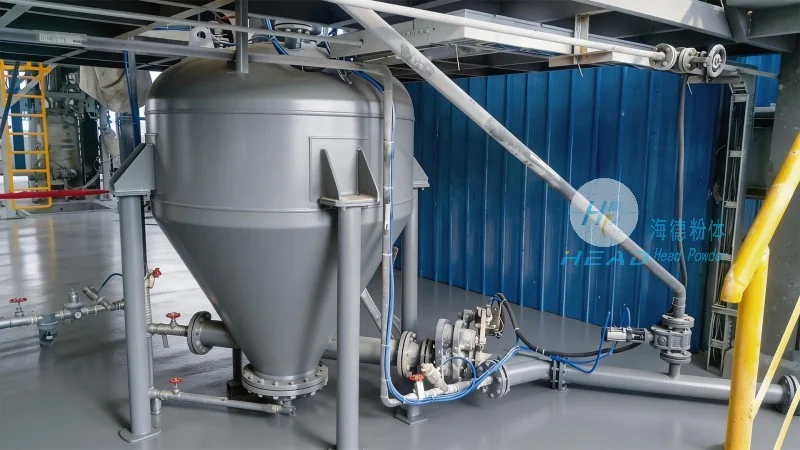
Quicklime, also known as calcium oxide (CaO), is a widely used chemical in various industries, including construction, steel production, and chemical manufacturing. Its handling requires specialized equipment due to the material's properties, such as its reactivity with moisture and potential for dust generation. Quicklime powder conveyors are engineered to address these challenges by providing a safe and effective means of transporting the material. The primary goal of these systems is to minimize dust exposure, prevent material degradation, and ensure consistent flow rates, which are critical for maintaining process efficiency and product quality.
The design of quicklime powder conveyors is based on several key principles that ensure optimal performance and safety. One of the most critical considerations is the material's reactivity with moisture. Quicklime readily absorbs water to form slaked lime (calcium hydroxide), which can lead to caking and blockages in conveyor systems. To mitigate this, conveyors are typically constructed from materials that are resistant to corrosion and chemical attack, such as stainless steel or specialized alloys. Additionally, the design incorporates features that minimize exposure to ambient moisture, such as sealed housing and enclosed ductwork.
Another essential design principle is the prevention of dust generation and inhalation risks. Quicklime is a fine powder that can cause respiratory issues if inhaled. Conveyors are equipped with dust suppression systems, including filters, cyclones, and enclosed transfer points, to capture and contain dust particles. The use of positive pressure or vacuum systems further reduces the risk of dust escaping into the environment. These measures not only protect workers but also comply with occupational health and safety regulations.
Efficiency and reliability are also central to the design of quicklime powder conveyors. The systems are engineered to handle varying flow rates and material conditions, ensuring consistent performance over extended periods. This is achieved through the use of robust components, such as high-capacity motors, durable belts or screws, and precise control mechanisms. The design also considers the need for easy maintenance and cleaning, as quicklime can adhere to surfaces and cause operational issues if not properly managed.
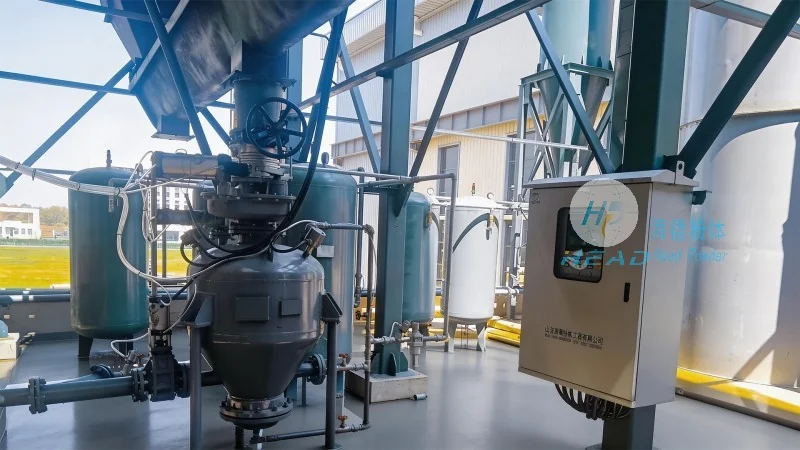
Quicklime powder conveyors consist of several key components that work together to facilitate material transport. The primary components include a feeding system, a conveying mechanism, a control system, and a discharge system. The feeding system is responsible for introducing quicklime powder into the conveyor, often using hoppers or feeders that regulate the flow rate. The conveying mechanism, which can be a screw conveyor, pneumatic conveyor, or bucket elevator, moves the material through the system. The control system monitors and adjusts the operation of the conveyor, ensuring optimal performance. Finally, the discharge system delivers the quicklime to its destination, such as a storage silo or processing unit.
Screw conveyors are a common type of quicklime powder conveyor, particularly in applications where horizontal or slight incline transport is required. These systems use a rotating screw to push the material forward, providing a continuous and controlled flow. Screw conveyors are known for their simplicity, low maintenance, and ability to handle a wide range of materials, including those with high moisture content or abrasive properties. However, they may not be suitable for vertical transport or long-distance applications due to the risk of material degradation and increased wear on the screw and housing.
Pneumatic conveyors, on the other hand, use air pressure to transport quicklime powder through a network of pipes. These systems are ideal for applications requiring vertical or long-distance transport, as they can move material over significant heights and distances with minimal friction. Pneumatic conveyors are also effective in preventing dust contamination and providing a closed system for material handling. However, they require a constant supply of compressed air and may be less efficient for handling large volumes of material compared to other types of conveyors.
Quicklime powder conveyors are widely used in various industrial applications where the handling of quicklime is essential. In the construction industry, quicklime is used as a component in cement and mortar production, and conveyors are used to transport it from storage to processing facilities. In the steel industry, quicklime is used for desulfurization and slag formation, and conveyors help in delivering it to the blast furnaces. Additionally, in chemical manufacturing, quicklime is used in the production of calcium-based chemicals, and conveyors ensure a steady supply of the material to production lines.
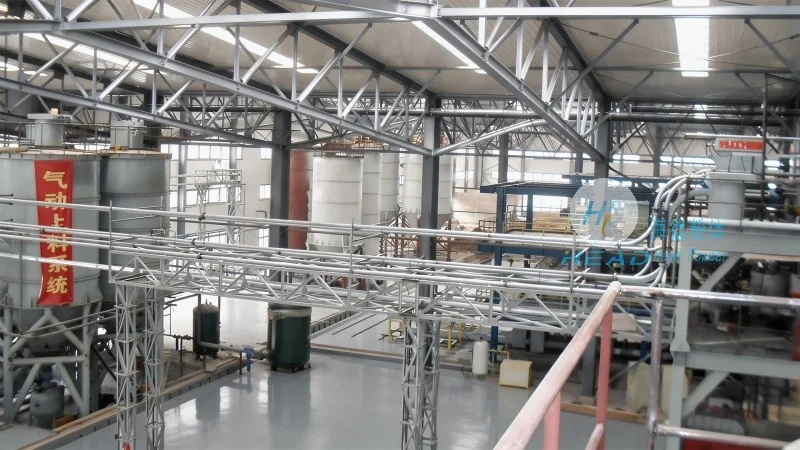
The benefits of using quicklime powder conveyors in these applications are significant. By improving material handling efficiency, these systems reduce labor costs and increase production throughput. The prevention of dust exposure and material degradation also enhances workplace safety and product quality. Furthermore, the design of modern conveyors allows for easy integration with other process equipment, such as storage silos and processing units, creating a seamless material flow system.
Maintaining the performance and safety of quicklime powder conveyors is crucial for long-term operation. Regular maintenance is required to ensure that all components are functioning correctly and to prevent issues such as clogging, wear, and corrosion. This includes inspecting the conveying mechanism, cleaning the system, and checking the control system for proper operation. Additionally, safety measures must be in place to protect workers from dust exposure and material handling hazards. This includes the use of personal protective equipment (PPE), such as respirators and gloves, and the implementation of safety protocols for operating and maintaining the equipment.
Shandong HeadPowder Engineering Co., Ltd., a leading manufacturer of industrial conveyor systems, specializes in designing and manufacturing quicklime powder conveyors that meet the highest standards of performance and safety. With years of experience in the industry, the company has developed advanced designs that address the unique challenges of handling quicklime. Their products are engineered to provide reliable and efficient material transport, while adhering to occupational health and safety regulations. The company's commitment to quality and customer satisfaction has made it a trusted partner for businesses in various industries.
Located in Shandong, China, Shandong HeadPowder Engineering Co., Ltd. leverages its expertise and local resources to provide comprehensive solutions for quicklime handling. The company's team of engineers and technicians work closely with clients to understand their specific needs and design customized conveyor systems that meet their requirements. From initial consultation to installation and maintenance, the company offers a full range of services to support its clients throughout the entire process.

 Shandong Headpowder Engineering Co., Ltd.
 156-6277-7102(Manager Zhang)
  0531-83386006
  Zhangqiu District, Jinan City, Shandong Province, China
telephone
WeChatconsult
top