With more than 10‑year industry experience, Shandong Headpowder delivers full‑service pneumatic‑conveying systems and blowers, undertaking nationwide turn‑key powder‑handling projects.
HeadPowder, a leading provider of pneumatic conveying solutions, specializes in optimizing material transport systems for various industries. This article provides a detailed comparison of negative pressure and positive pressure conveying methods, focusing on their applications, advantages, and disadvantages in the context of mineral powder handling.
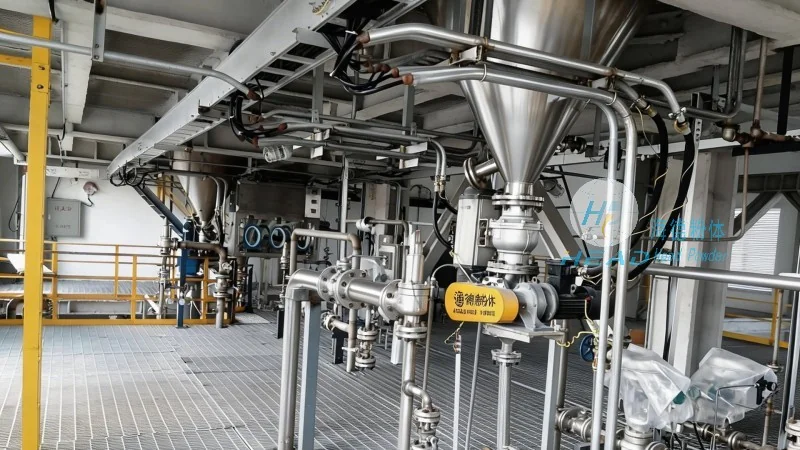
Pneumatic conveying is a critical technology used to transport dry bulk materials like mineral powders over short to medium distances. It involves the use of air or gas to move particles through a pipeline system. The two primary methods are negative pressure (or vacuum) conveying and positive pressure conveying. Each method has distinct characteristics that make it suitable for different operational requirements.
Negative pressure conveying, also known as vacuum conveying, operates by creating a lower pressure inside the conveying line compared to the ambient air. This pressure differential draws material from the source into the pipeline. The system typically includes a vacuum pump, a hopper for material storage, and a receiver where the material is deposited. This method is particularly effective for handling fine powders and can operate over longer distances compared to positive pressure systems.
One of the main advantages of negative pressure conveying is its ability to handle fine and abrasive powders without causing excessive wear on equipment. The vacuum system ensures that particles are drawn gently, reducing the risk of material degradation or segregation. Additionally, this method is well-suited for applications where the material needs to be transported from multiple sources or over varied distances, as the vacuum can be maintained over longer pipelines. Negative pressure systems also tend to be quieter and produce less air pollution compared to positive pressure systems, making them ideal for indoor or environmentally sensitive operations.
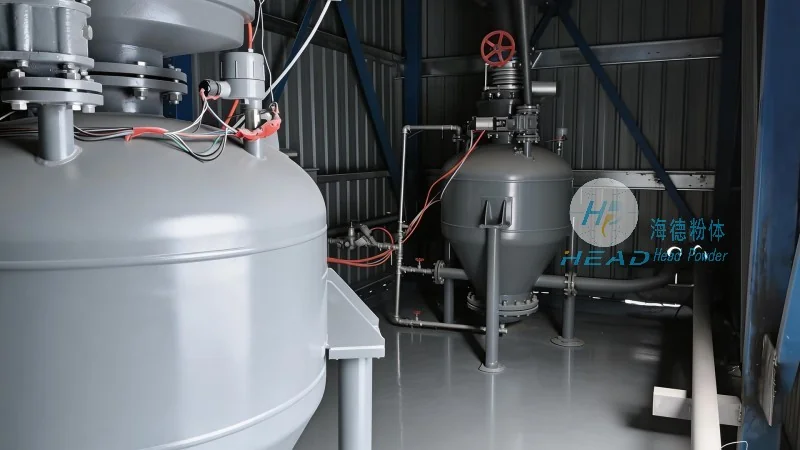
Despite its benefits, negative pressure conveying has several drawbacks. The primary limitation is its lower conveying capacity compared to positive pressure systems, which can be a challenge for high-volume material transport. The vacuum pump requires regular maintenance and can be more energy-intensive, especially when handling large quantities of material. Furthermore, the system is more susceptible to blockages and clogs, particularly with cohesive or sticky powders, as the material is drawn into the pipeline rather than pushed. This can lead to operational downtime and increased maintenance costs.
Positive pressure conveying, also called pressure conveying, works by forcing air or gas through the pipeline at a pressure higher than the ambient air. The material is then pushed along the line from the source to the destination. This method typically uses a blower or compressor to generate the pressure and a hopper or feeder to introduce the material into the system. Positive pressure systems are generally more suitable for shorter distances and larger particle sizes, though modern technology has expanded their application range.
Positive pressure conveying offers several advantages, particularly in high-volume applications. The higher pressure allows for greater conveying capacity and can handle larger particles or bulkier materials more effectively. This method is less prone to blockages compared to negative pressure systems, as the material is pushed rather than drawn, reducing the risk of clogs. Additionally, positive pressure systems are generally more energy-efficient for high-volume transport, as the blower can operate at a lower pressure differential compared to a large vacuum pump. They also allow for easier integration with other processes, such as dust collection or material drying, as the system can be designed to handle additional functions.
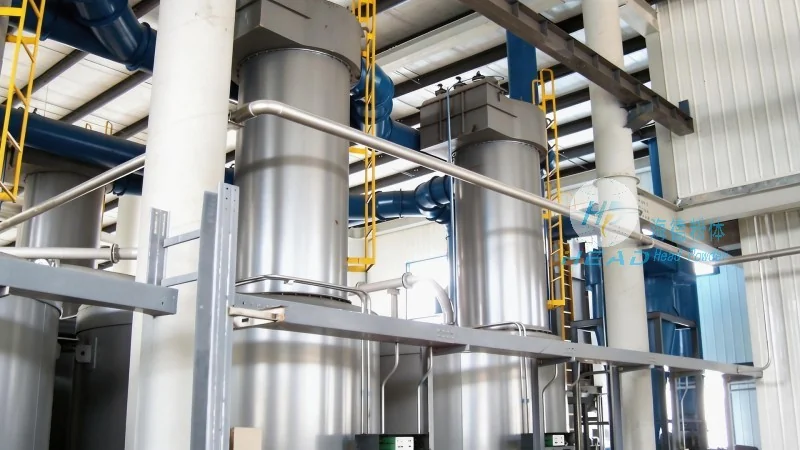
However, positive pressure conveying has its own set of challenges. The high-pressure air can cause wear on the pipeline and equipment, especially with abrasive or corrosive powders, leading to increased maintenance and replacement costs. The system is also more prone to air leakage and pressure loss over long distances, which can reduce efficiency. Furthermore, positive pressure conveying can be noisier and may generate more air pollution, making it less suitable for indoor or environmentally sensitive environments. The higher pressure also increases the risk of material spillage or leakage if the system is not properly sealed.
When selecting between negative and positive pressure conveying for mineral powder applications, several factors must be considered. The choice depends on the material characteristics, such as particle size, moisture content, and abrasiveness, as well as the operational requirements, including distance, volume, and environmental constraints. For fine powders and applications requiring gentle handling, negative pressure conveying is often preferred. For high-volume transport of larger particles over shorter distances, positive pressure conveying may be more suitable. The cost of equipment, energy consumption, and maintenance should also be evaluated, as these factors can significantly impact the overall operational efficiency.
Shandong HeadPowder Engineering Co., Ltd., based in Shandong, China, is a trusted partner in designing and implementing customized pneumatic conveying systems. With years of experience in the industry, HeadPowder understands the unique challenges of mineral powder handling and provides tailored solutions that optimize performance and efficiency. The company's team of experts works closely with clients to assess their specific needs and recommend the most appropriate conveying method, whether negative or positive pressure, to ensure reliable and cost-effective material transport. HeadPowder's commitment to quality and innovation ensures that clients receive systems that meet their operational requirements while adhering to industry standards and environmental regulations.

 Shandong Headpowder Engineering Co., Ltd.
 156-6277-7102(Manager Zhang)
  0531-83386006
  Zhangqiu District, Jinan City, Shandong Province, China
telephone
WeChatconsult
top