

Application and Optimization of Pneumatic Conveying Technology in Glass Bead Conveying Design
HeadPowder, a leading engineering firm based in Shandong, China, specializes in the design and implementation of advanced pneumatic conveying systems tailored for the transportation of glass beads. This article explores the application and optimization strategies employed by the company to enhance the efficiency and reliability of glass bead handling processes.
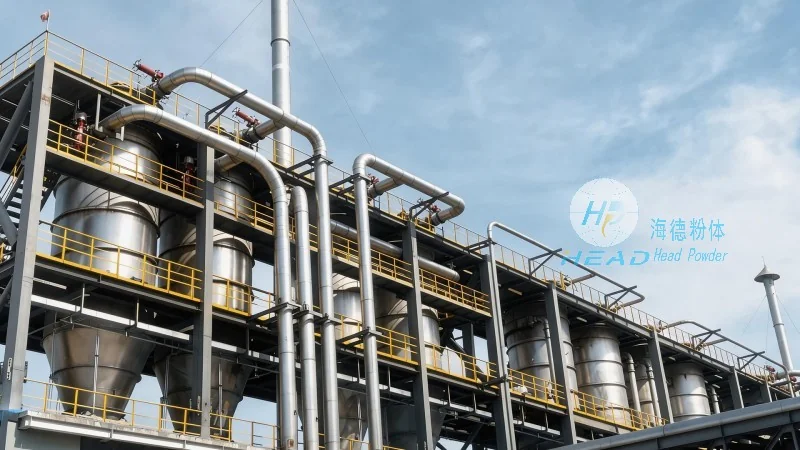
Pneumatic Conveying Fundamentals and Its Relevance to Glass Beads
Pneumatic conveying is a method of transporting bulk materials, such as glass beads, through a pipeline using air or other gases. Unlike traditional mechanical systems like screw conveyors or belt conveyors, pneumatic systems offer advantages including minimal product contamination, reduced risk of material degradation, and the ability to handle materials with high moisture content or abrasive properties. For glass beads, which are often used in industrial applications like coatings, adhesives, and insulation, maintaining the integrity of the material during transport is critical. HeadPowder’s expertise lies in selecting the most suitable pneumatic conveying technology—whether it be pressure or vacuum systems, dilute or dense phase conveying—to meet the specific requirements of each client.
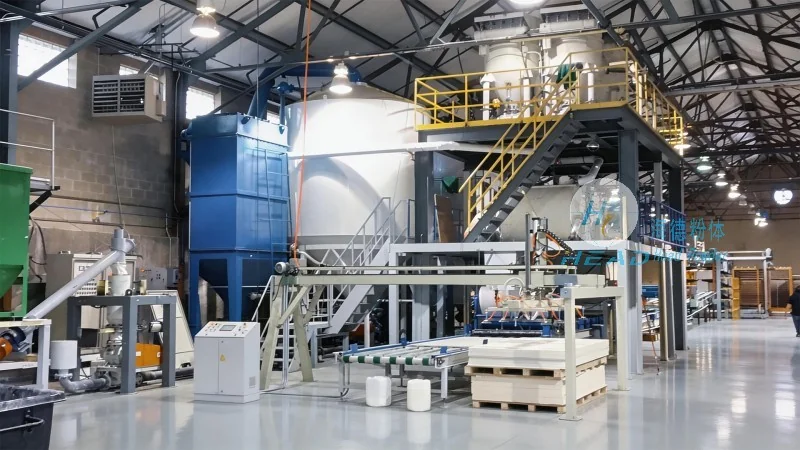
Key Design Considerations for Glass Bead Pneumatic Conveying Systems
The success of a glass bead conveying system hinges on meticulous design considerations that address both operational efficiency and material safety. HeadPowder engineers focus on several critical factors, including material characteristics, system capacity, and environmental constraints. Glass beads vary in size, density, and surface texture, which directly impact the air velocity and pressure needed for effective transport. For instance, smaller beads may require higher air velocities to prevent clogging, while larger or denser beads might benefit from dense phase conveying to reduce wear on system components. Additionally, the system design must account for the potential for dust generation and the need for proper filtration and dust control measures to ensure compliance with environmental regulations and maintain workplace safety.
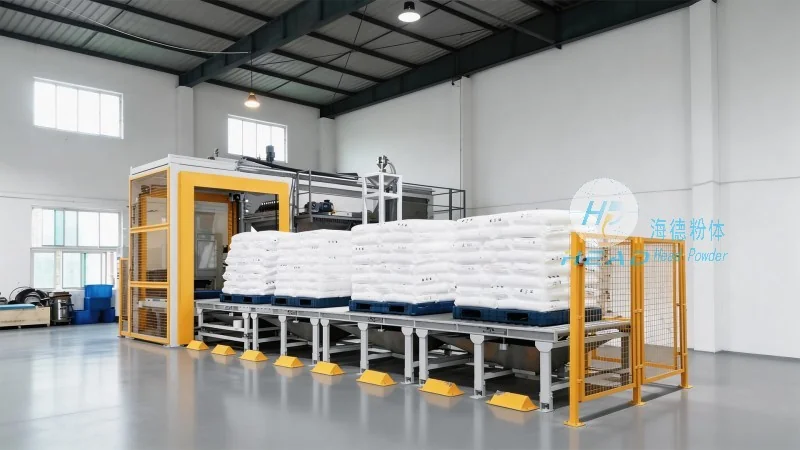
Optimization Strategies for Enhanced Performance
HeadPowder employs a range of optimization strategies to maximize the performance of glass bead pneumatic conveying systems. These strategies include the use of advanced control systems that monitor and adjust air pressure, flow rates, and particle concentration in real-time. By integrating sensors and automation, the system can adapt to changes in material feed rates or pipeline conditions, minimizing downtime and preventing material buildup. Furthermore, the company’s engineers utilize computational fluid dynamics (CFD) simulations to model the behavior of glass beads within the conveying pipeline, allowing for precise adjustments to system geometry and operational parameters. This approach ensures that the system operates at peak efficiency while minimizing energy consumption and wear on components.
Case Studies and Real-World Applications
HeadPowder has successfully implemented pneumatic conveying solutions for numerous clients across various industries. For example, a client in the automotive industry required a system to transport glass beads for use in automotive coatings. HeadPowder designed a pressure pneumatic system with a capacity of 10 tons per hour, incorporating a pre-filter and a cyclone separator to ensure clean material delivery. The system was optimized for low air consumption, reducing operational costs by 20% compared to traditional mechanical conveyors. Another application involved a client in the construction sector, where glass beads were used as a lightweight aggregate in concrete. HeadPowder’s vacuum conveying system, equipped with a rotary valve and a material dryer, effectively handled the abrasive glass beads while maintaining the material’s quality. These case studies highlight the versatility and effectiveness of HeadPowder’s pneumatic conveying solutions in diverse industrial settings.
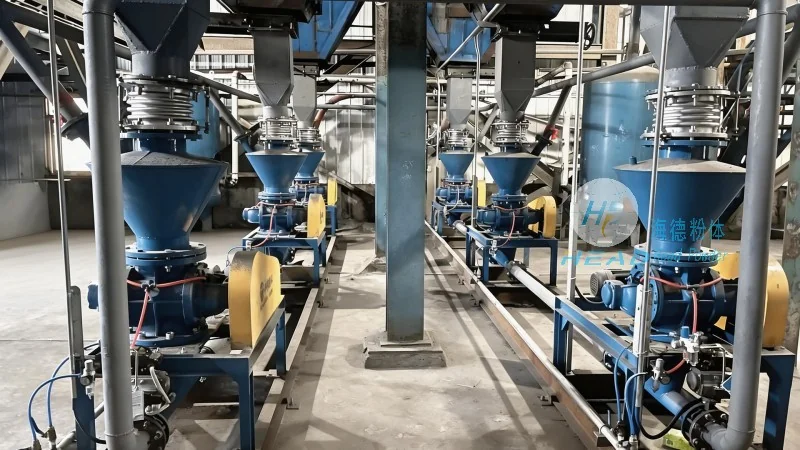
Conclusion and Future Directions
As the demand for efficient and reliable material handling solutions continues to grow, the application of advanced pneumatic conveying technology in glass bead transportation remains a key area of focus for HeadPowder. By combining deep industry knowledge with cutting-edge engineering techniques, the company ensures that its clients achieve optimal performance, cost savings, and compliance with industry standards. The ongoing development of new materials and processing technologies will likely drive further innovations in pneumatic conveying systems, and HeadPowder is positioned to lead the way in providing tailored solutions that meet the evolving needs of the glass bead industry.