

Analysis of Pepper Pneumatic Conveying Technology: Comparison of Positive and Negative Pressure Mode
Pepper, a staple spice in culinary traditions worldwide, demands efficient and reliable transportation from processing facilities to packaging lines. Pneumatic conveying systems provide an effective solution by utilizing air to move bulk materials such as pepper through pipelines. This article delves into the technical nuances of pneumatic conveying for pepper, focusing on the two primary operational modes: positive pressure and negative pressure systems. We will compare their principles, advantages, and applications to assist industries in selecting the most suitable technology for their pepper handling requirements.
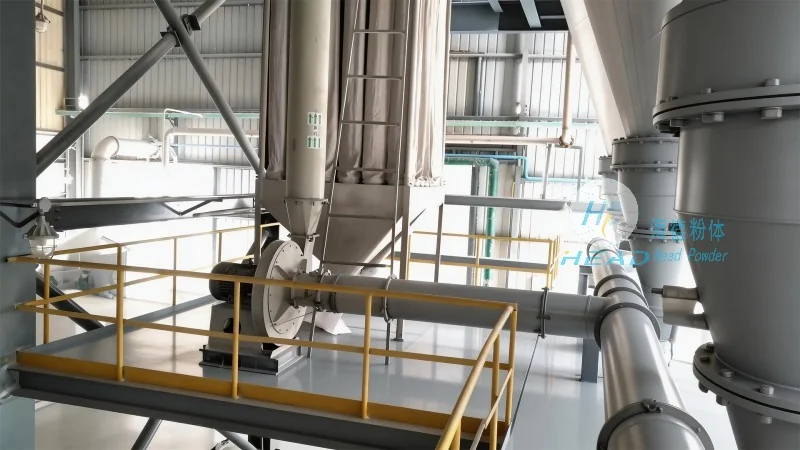
Understanding Pneumatic Conveying Systems
Pneumatic conveying involves transporting bulk materials via a pipeline using compressed air or vacuum. The system typically comprises a hopper for material storage, a conveyor line for transport, and a receiver for collection. The choice between positive and negative pressure depends on factors like material characteristics, distance, and system complexity. For pepper, which is often fine and dusty, selecting the right mode is critical to prevent material degradation and ensure system efficiency.
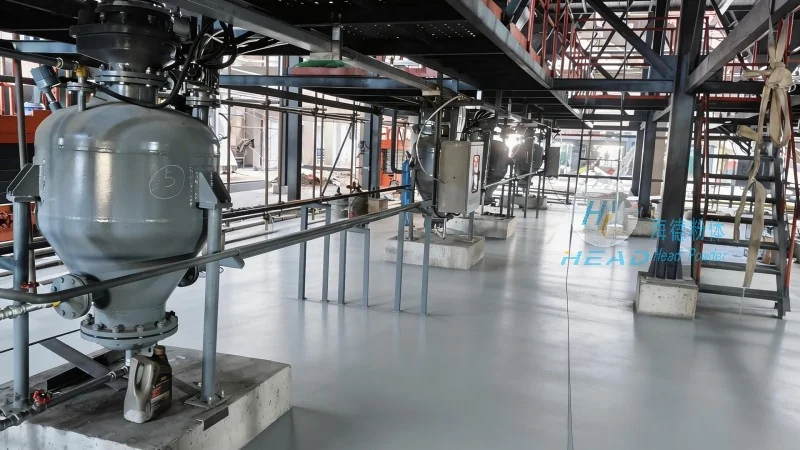
Positive Pressure Pneumatic Conveying
Positive pressure systems operate by blowing compressed air into the conveyor line, creating a pressure higher than the ambient environment. The air flows through the pipeline, carrying pepper particles forward. This mode is well-suited for short to medium distances and when the material is relatively dry and free-flowing. A key advantage of positive pressure is its ability to handle abrasive materials without excessive wear on system components. Additionally, positive pressure systems are generally easier to maintain as they do not require vacuum pumps, reducing operational costs and minimizing downtime.
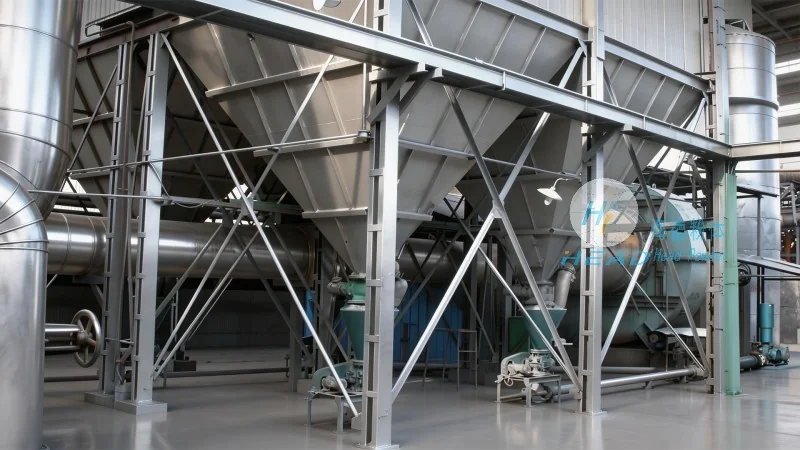
Negative Pressure Pneumatic Conveying
Negative pressure systems, also known as vacuum systems, function by creating a vacuum in the conveyor line, drawing pepper particles into the pipeline. This mode is ideal for longer distances and when the material is more sensitive or requires a gentler handling process. The vacuum helps control dust emissions and maintain a cleaner environment, which is particularly important for food-grade products like pepper. However, negative pressure systems are more complex and require robust vacuum pumps, which can increase initial investment and maintenance expenses.
Comparison of Positive and Negative Pressure Modes
When comparing the two modes for pepper pneumatic conveying, several factors must be considered. Positive pressure systems are generally more cost-effective for shorter distances and less abrasive materials. They are also simpler to install and operate, making them a popular choice for small to medium-sized pepper processing facilities. On the other hand, negative pressure systems offer better dust control and are more suitable for longer distances or when the pepper is more delicate. The decision ultimately depends on the specific requirements of the pepper handling process, including the distance between the hopper and receiver, material properties, and budget constraints.
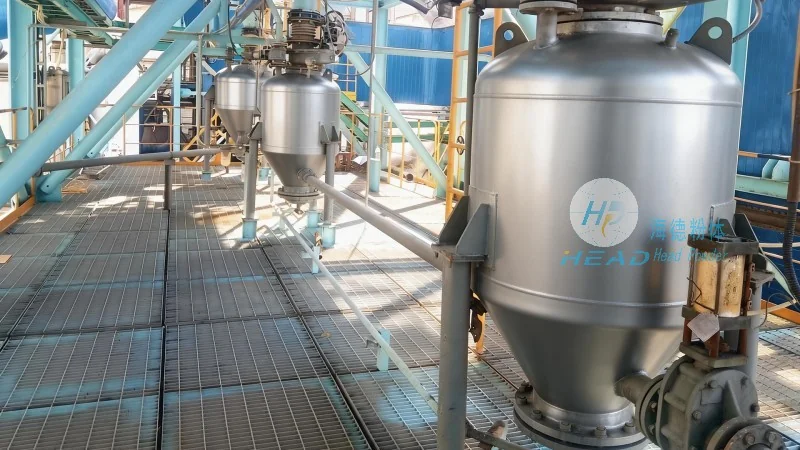
Applications in Pepper Processing
Both positive and negative pressure pneumatic conveying systems are widely utilized in pepper processing plants. Positive pressure is commonly employed for transporting pepper from storage silos to processing lines, especially when the distance is short and the material is dry. Negative pressure is often used for moving pepper from the processing line to packaging areas, particularly when the material needs to be handled gently to avoid breakage or contamination. The flexibility of these systems allows manufacturers to optimize their pepper handling processes, enhancing productivity and maintaining product quality.